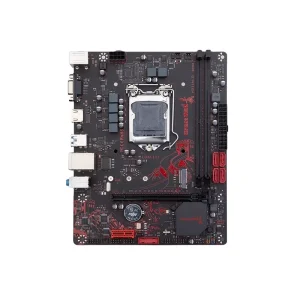
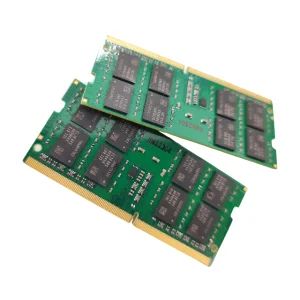
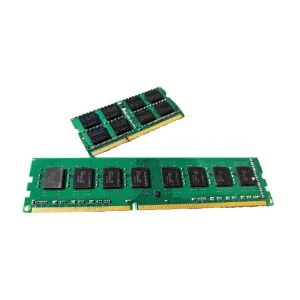
High-reliability electronic control units and storage subsystems necessary for driving industrial UVC automated sterilization matrices.
Solid-state UV emitters are fundamentally transforming global sanitation, sterilization, and industrial processing frameworks.
The global transition from traditional low-pressure mercury lamps to ultraviolet-C light-emitting diodes (UVC LEDs) marks a major shift in industrial, municipal, and commercial disinfection. Over the past decade, semiconductor engineering has achieved milestones in AlGaN (Aluminum Gallium Nitride) material science, enabling the generation of radiation within the critical germicidal UV spectrum (260nm – 280nm).
Photons in the deep UV-C spectrum interact with the nucleic acids of micro-organisms. Absorption peaks at 265nm, causing adjacent thymine or cytosine bases in DNA/RNA to link and form pyrimidine dimers. This structural damage prevents biological replication, rendering pathogens inactive and harmless without chemical additives.
In contrast to mercury vapor lamps, which require warm-up time, contain toxic heavy metals, and feature fragile quartz glass envelopes, solid-state UVC LEDs offer instant-on operation, compact designs, structural durability, and low voltage requirements. This makes them ideal for integration into dynamic fluids, moving air systems, and point-of-use consumer designs. Industrial engineering sectors now rely on high-reliability control electronics and custom thermal management assemblies to support these high-power UV matrices.
A comparative overview of the leading semiconductor enterprises pushing the limits of deep ultraviolet wall-plug efficiency (WPE) and output irradiance.
Nichia is a global leader in optoelectronics. Leveraging its expertise in blue gallium nitride (GaN) LEDs, the company manufactures high-optical-power UVC LEDs with a focus on reliability, advanced hermetic packaging, and long operating life. Their packages target liquid and surface disinfection setups requiring high-density thermal management.
Through its proprietary "Violeds" clean technology, Seoul Viosys (partnering with Sensor Electronic Technology, Inc.) offers high-volume UVC LED fabrication. Their product portfolio spans air conditioning purification modules, surface decontamination panels, and point-of-care sterilization units, backed by a strong patent portfolio.
Crystal IS stands out by growing AlGaN layers on single-crystal Aluminum Nitride (AlN) substrates. This lattice-matched approach reduces defects, allowing for high current densities and stable output powers at 265nm. Their Klaran and Optan brands are widely used in water instrumentation and disinfection systems.
ams OSRAM leverages its automotive-grade fabrication expertise to manufacture durable, compact UVC LEDs. Their OSLON UV series features small form factors and robust optical performance, serving the consumer appliance, automotive interior, and localized water-treatment sectors.
Luminus provides mid- and high-power UVC LEDs with a focus on high optical output density and value. Their packaging options include multi-chip arrays, enabling rapid design cycles for air handling units, medical instruments, and industrial disinfection equipment.
Nikkiso is a pioneer in developing deep UV-C LEDs. Their technology combines unique epitaxial growth processes with customized flow-disinfection packaging to deliver high-capacity water sterilization units. These modules are widely deployed in commercial water purifiers and industrial food processing.
Part of the Ennostar group, Lextar offers integrated optoelectronic packages combining UVC emitters with photodiode sensors. This design enables real-time dosage monitoring and closed-loop feedback systems, which are key for smart home appliances and automotive interior sanitation.
Stanley Electric specializes in high-power, hermetically sealed UVC LEDs that deliver stable performance in harsh environments. Their systems feature optical window packages optimized for immersion, making them common in industrial process water systems and municipal water treatment plants.
Violumas offers a proprietary flip-chip technology featuring a 3-pad design and metal-core substrates. This setup reduces thermal resistance, allowing for higher currents and high optical power output across the 265nm to 275nm spectrum. They specialize in high-output cooling arrays.
San'an is one of the largest LED chip manufacturers globally, offering massive production capacity for AlGaN-based UVC LED wafers. They supply cost-efficient, high-volume chips to global packaging companies and module integrators, helping accelerate UVC technology adoption worldwide.
While optoelectronic companies supply the raw UVC LED emitters, industrial sterilization solutions require robust, real-time control hardware. Automated air systems, dynamic water treatment plants, and smart healthcare panels rely on constant monitoring, power regulation, and sensor tracking.
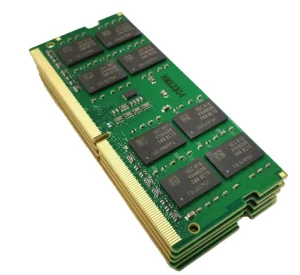
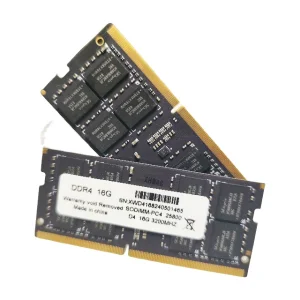
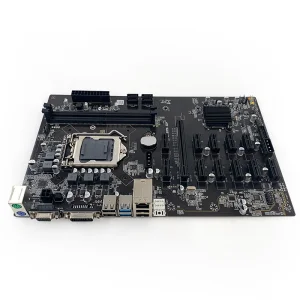
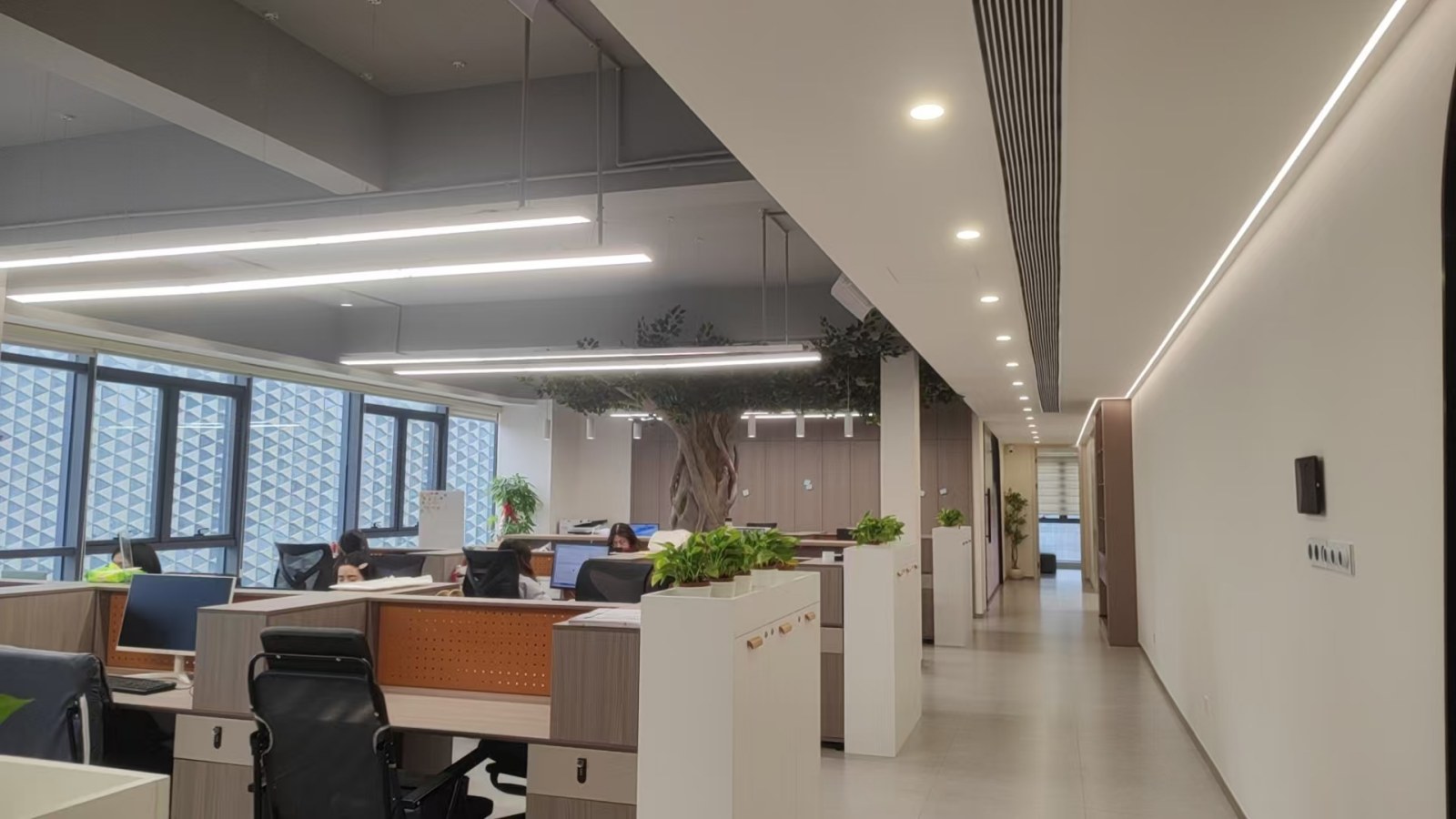
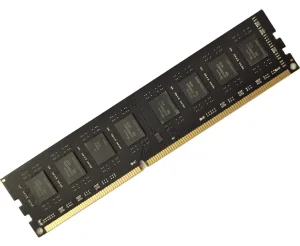
Vorynex Memory Technology (China) Co., Ltd. is a professional manufacturer and OEM/ODM solution provider specializing in high-reliability control memory modules and high-density PCB assemblies. Established in 2016, Vorynex has built strong engineering and manufacturing capabilities that support complex industrial electronics, including the controller systems used in modern UVC sterilization devices.
With an annual export revenue of approximately USD 12 million, over 6 years of export experience, and more than 12 years of industry experience in memory and semiconductor fields, Vorynex ensures your control hardware maintains maximum uptime.
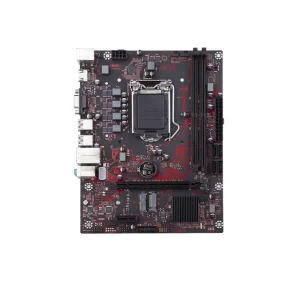
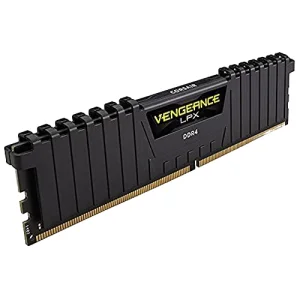
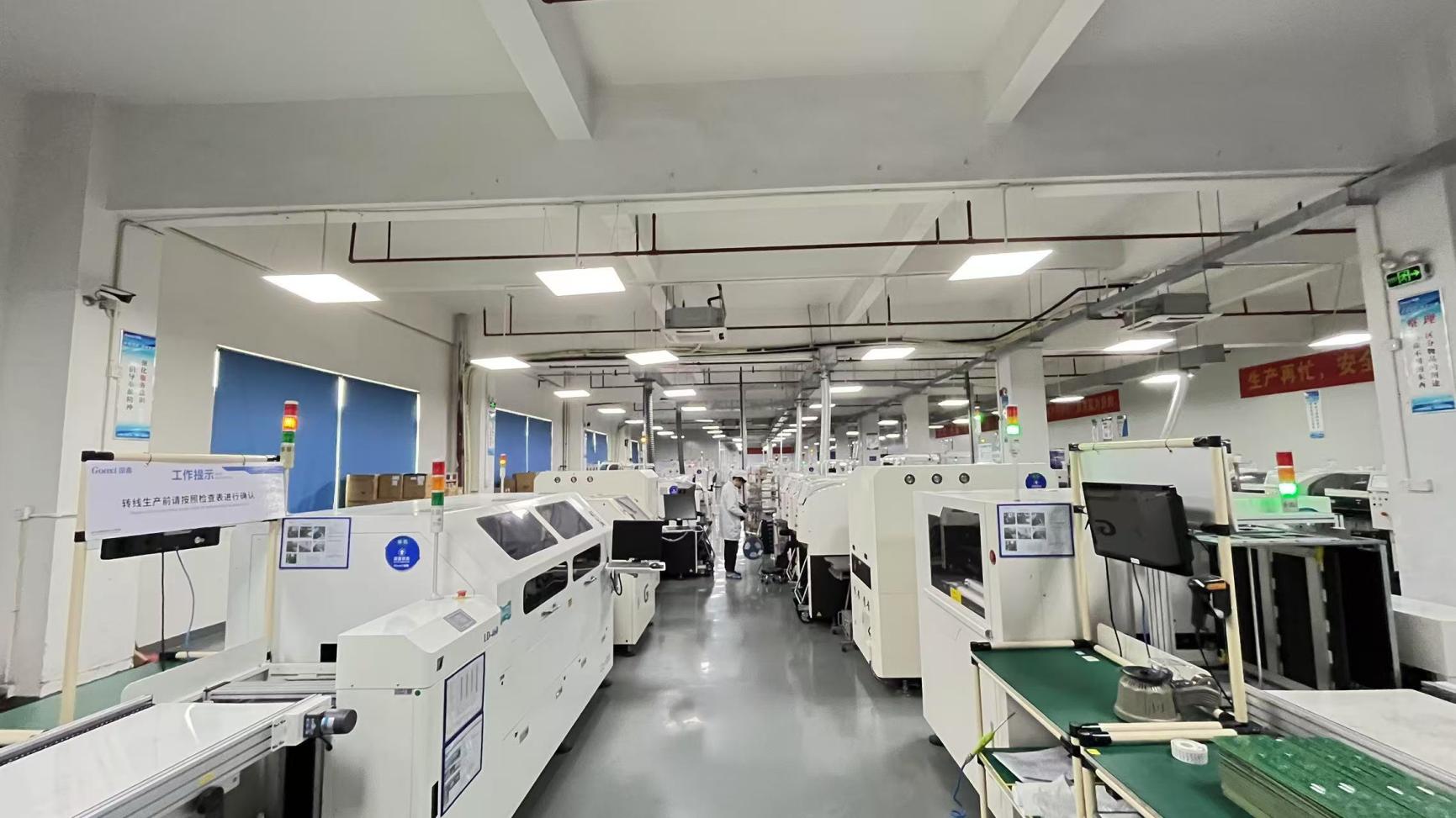
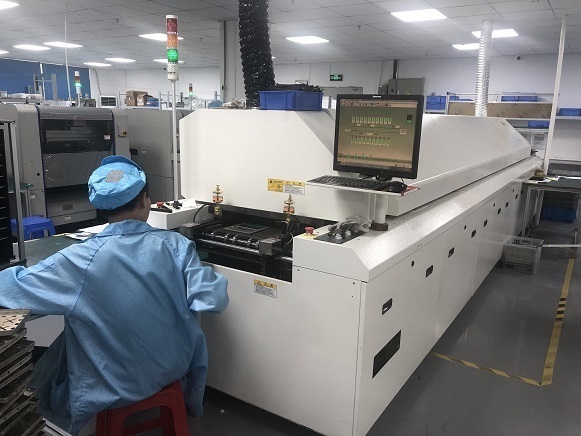
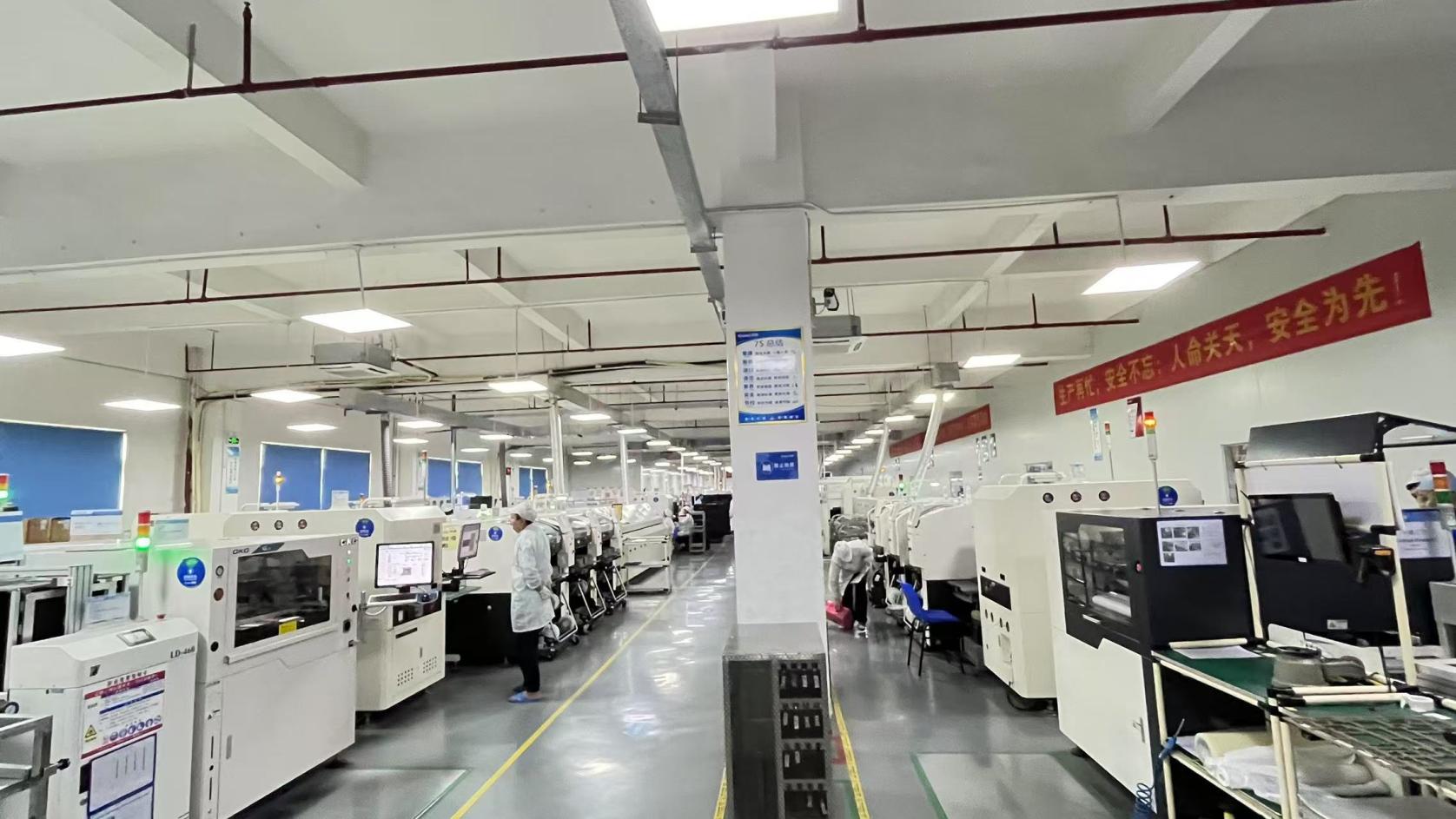
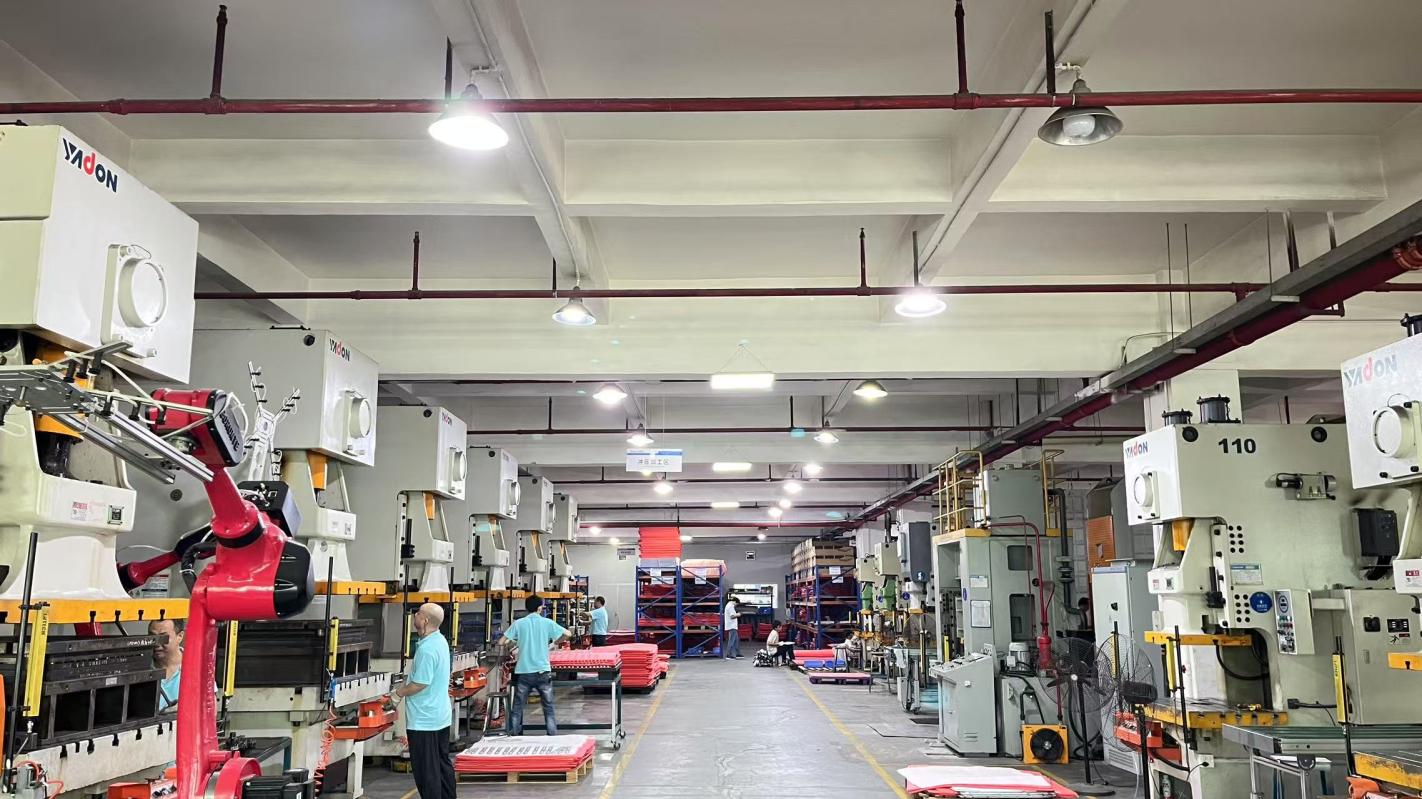
Vorynex's modern production facility (covering approximately 320㎡) maintains strict quality controls, including 100% functional testing, aging tests, compatibility testing, and high-temperature stress testing. Using automated optical inspection (AOI) and in-circuit testing (ICT), Vorynex delivers reliable memory modules (DDR4, DDR5) and custom controller motherboards that handle the high-temperature and electrically noisy environments typical of industrial UVC disinfection arrays.
From custom frequency tuning and PCB layout customization to branding (private label) and firmware optimization, Vorynex provides system integrators with the necessary electronic infrastructure to build stable UVC sterilization systems.
Deploying UVC LED technology to solve disinfection challenges across diverse infrastructure domains.
UVC LEDs are integrated directly into fluid channels. Since they are lead- and mercury-free, they can be immersed in drinking water pipes, ballast systems, and beverage dispensers to provide point-of-use sterilization without chemical risk.
High-intensity UVC LED arrays are installed in central air conditioning systems. They continuously treat fast-moving airflows, destroying airborne bacteria, viruses, and mold spores to prevent disease transmission in crowded commercial spaces.
Automated mobile disinfection robots and smart cabinet enclosures use deep-UV LEDs to treat medical devices, operating tables, and high-touch surfaces, helping limit hospital-acquired infections (HAIs).
Deploying UVC technologies requires adherence to strict global safety and performance standards. Depending on the target region, systems must comply with regulations such as the US Environmental Protection Agency (EPA) rules, NSF/ANSI 55 (governing ultraviolet microbiological water treatment systems), CE, RoHS for electrical safety, and UL 8802 for germicidal equipment safety. Partnering with suppliers who provide certified controller boards, high-grade silicon sealing, and complete technical documentation is essential for smooth market entry and long-term regulatory compliance.
Key developmental phases of deep ultraviolet solid-state technology as industry researchers target increased efficiency.
Reducing dislocation density in the AlGaN active layers. Growing on native Aluminum Nitride (AlN) substrates minimizes crystal lattice strain, improving internal quantum efficiency (IQE) and device lifetime under high currents.
High index of refraction in Al-rich layers traps light internally. Advanced designs use textured surfaces, reflective p-contacts, and UV-resistant fluoropolymer resins to maximize light extraction from the chip package.
Integrating photodiode feedback loops and thermal sensors directly into control boards (using robust RAM and high-density multicore microcontrollers) allows the system to adjust optical output dynamically, protecting the LEDs from overheating and extending system life.
Expert answers to common engineering and sourcing questions regarding UVC LED systems and control architectures.
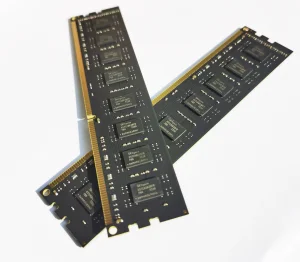
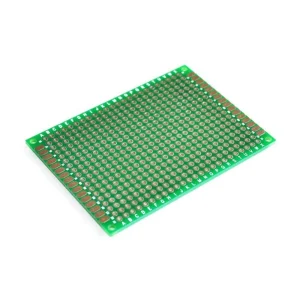
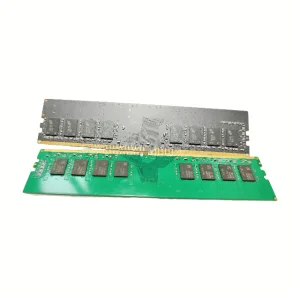
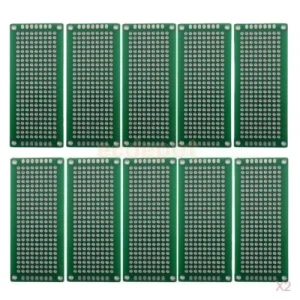
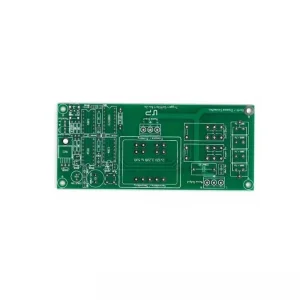
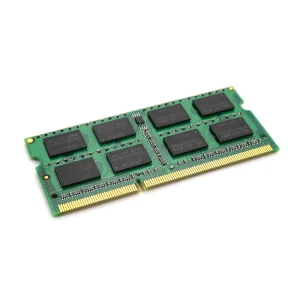
High-speed system components and prototyping boards used by manufacturing and engineering partners for control system verification.
 Vorynex