In the modern optoelectronics landscape, light-emitting diode (LED) circuit boards represent the foundational backbone of reliable illumination, display tech, and signal transmission systems. Unlike conventional FR4 logic boards, LED PCBs demand unique thermal performance balances due to the high concentrated heat generated by surface-mounted diode arrays. Managing this thermal output is paramount: elevated junction temperatures inside an LED chip decrease overall lumen efficacy, shift color chromaticity, and rapidly accelerate degradation.
As a global pioneer in PCB fabrication, high-frequency design, and advanced SMT (Surface Mount Technology) assembly, we understand the physics of heat transfer in printed electronics. This whitepaper systematically breaks down the architectural characteristics, technological roadmaps, localization strategies, and strict manufacturing standards that define reliable LED PCB production.
Did you know? A mere 10°C increase in an LED's junction temperature can reduce its operational life expectancy by upwards of 50%. This makes material science and layout engineering the single most vital elements in commercial LED PCB projects.
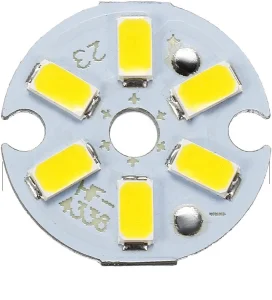
To dissipate intense localized heat, manufacturers choose between three primary substrate categories: Metal Core PCBs (MCPCBs), advanced high-performance FR4, and specialized high-frequency laminates.
Metal Core PCBs (MCPCBs): Also known as insulated metal substrates (IMS), these boards typically feature an aluminum or copper backing plate, a thin, thermally conductive dielectric polymer layer, and a copper circuit trace. Aluminum substrates are the industry standard for general commercial lighting because they offer an exceptional balance of mechanical strength, cost-efficiency, and thermal conductivities ranging from 1.0 W/m·K up to 4.0 W/m·K. Copper-core configurations are utilized for ultra-high-density applications, achieving thermal performance metrics of up to 400 W/m·K when direct thermal path designs are implemented.
FR4 and FR4 High-TG: Although standard FR4 is historically a thermal insulator (approx. 0.25 W/m·K), it remains popular for low-power indicator arrays and multi-layer structural PCBs. To mitigate thermal issues on FR4, designers integrate high numbers of thermal vias—copper-plated barrels that link the component layer to inner or bottom copper planes. Utilizing High-TG (Glass Transition Temperature) FR4, such as Shengyi FR4 High TG170, ensures the mechanical structure does not delaminate or degrade during high-intensity SMT reflow or prolonged operating cycles.
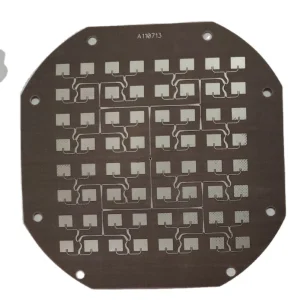
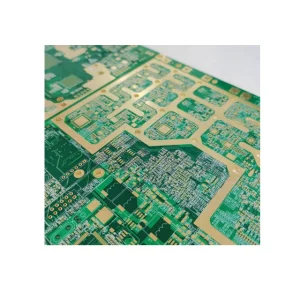
High-Frequency Material Integration: For complex systems where LEDs operate alongside high-speed data buses or RF sensors, mixed-pressure multilayer boards are common. For example, laminating Rogers 4000 series or Taconic TLY-5 (known for its thin 0.254mm profile and ultra-low dissipation factor) with high-TG FR4 allows engineers to combine RF circuit paths with structural LED arrays without sacrificing thermal dissipation.
The demands of LED PCB layout and material configurations differ heavily based on geography, environment, and specific use-case dynamics:
For smart automotive matrix-LED headlights, thermal reliability is critical. These systems rely on aluminum oxide ceramics or advanced MCPCBs to support intense lumens while withstanding road vibration and ambient heat.
Greenhouse deployments require specialized spectrum-tuned high-power LED bars. The PCBs must feature moisture-resistant conformal coatings (such as silicone or polyurethane) to prevent atmospheric corrosion from high humidity.
Outdoor streetlights and municipal architecture demand high-voltage surge protection integrated directly onto the MCPCB. This minimizes driver failures and prevents costly municipal maintenance runs.
The LED sector is transitioning toward ultra-fine pitch displays and integrated sensor arrays. The miniaturization of emitters has catalyzed the development of Mini-LED and Micro-LED systems. These technologies package thousands of microscopic LED chips onto a small surface area, requiring advanced multi-layer carrier boards with highly precise spacing.
Additionally, the trend of embedding smart IoT sensors (like ambient light, radar, and temperature sensors) directly into light fixtures has merged sensor control circuits with the main LED board. This convergence requires designers to balance signal integrity for control communications with high-current power distribution to the LEDs on the same substrate.
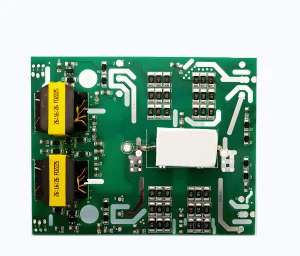
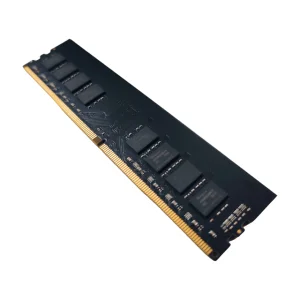
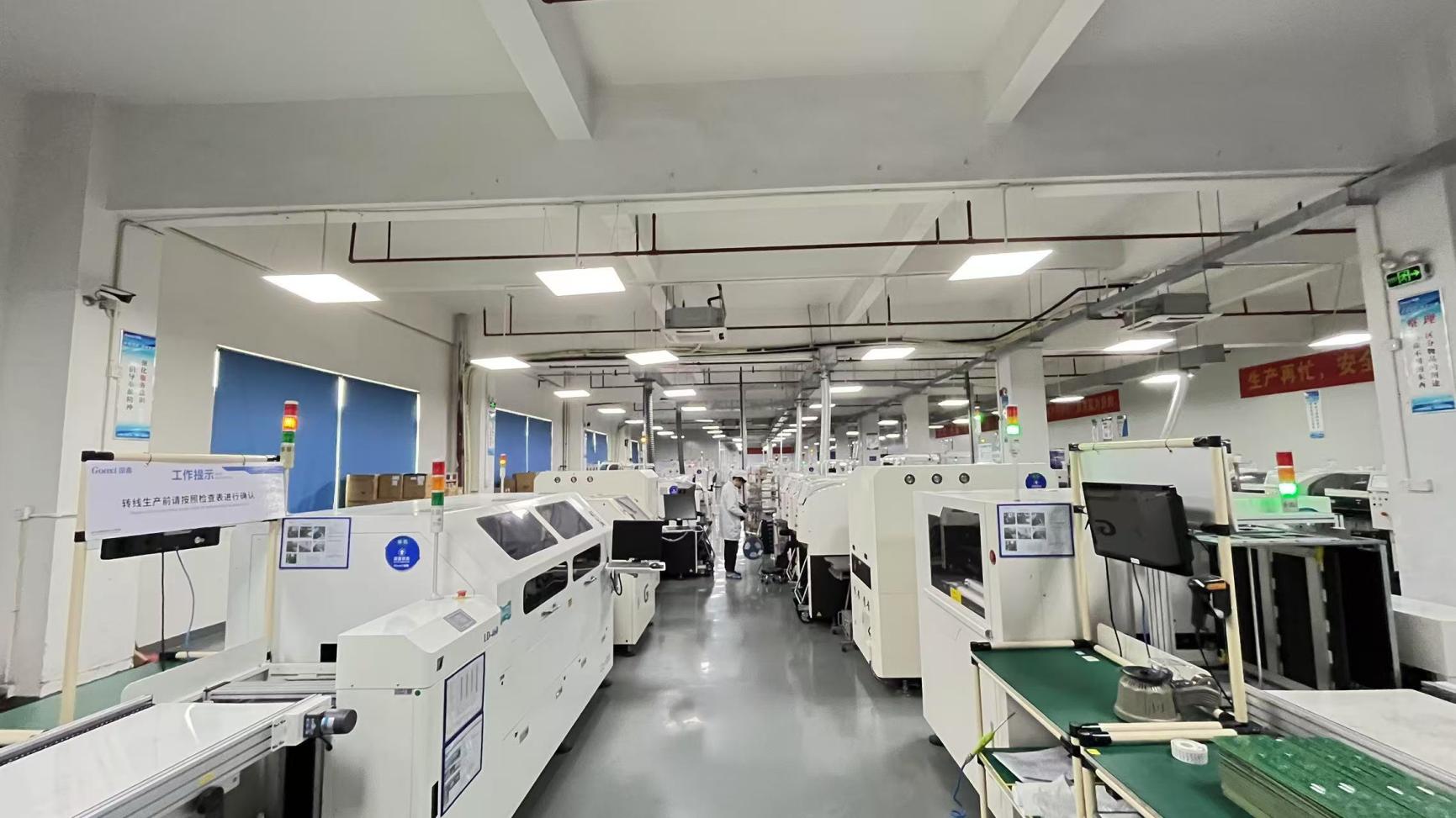
Vorynex Memory Technology (China) Co., Ltd. applies its high-precision semiconductor and memory SMT capabilities to the manufacturing of complex LED and PCBA board designs. Our facility utilizes automated component placement systems that mount chips with high accuracy, ensuring reliable alignment for high-density LED grids.
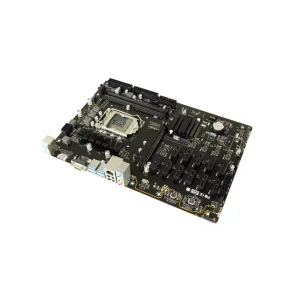
Maintaining quality across large-scale production runs requires comprehensive testing procedures. Every batch undergoes Automated Optical Inspection (AOI) to identify solder issues or component misalignments instantly. For industrial control boards and memory modules, we employ In-Circuit Testing (ICT) and high-temperature stress testing to verify electrical continuity and performance under realistic operating conditions.
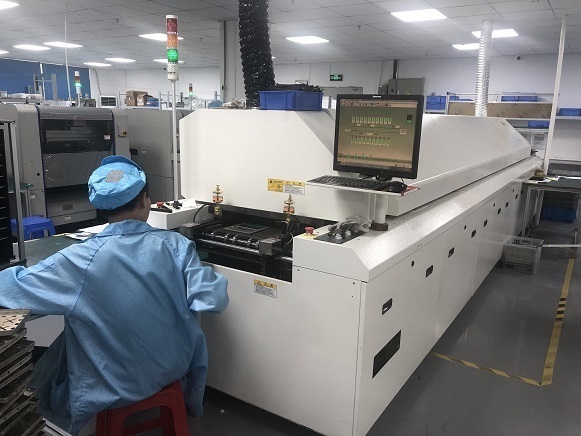
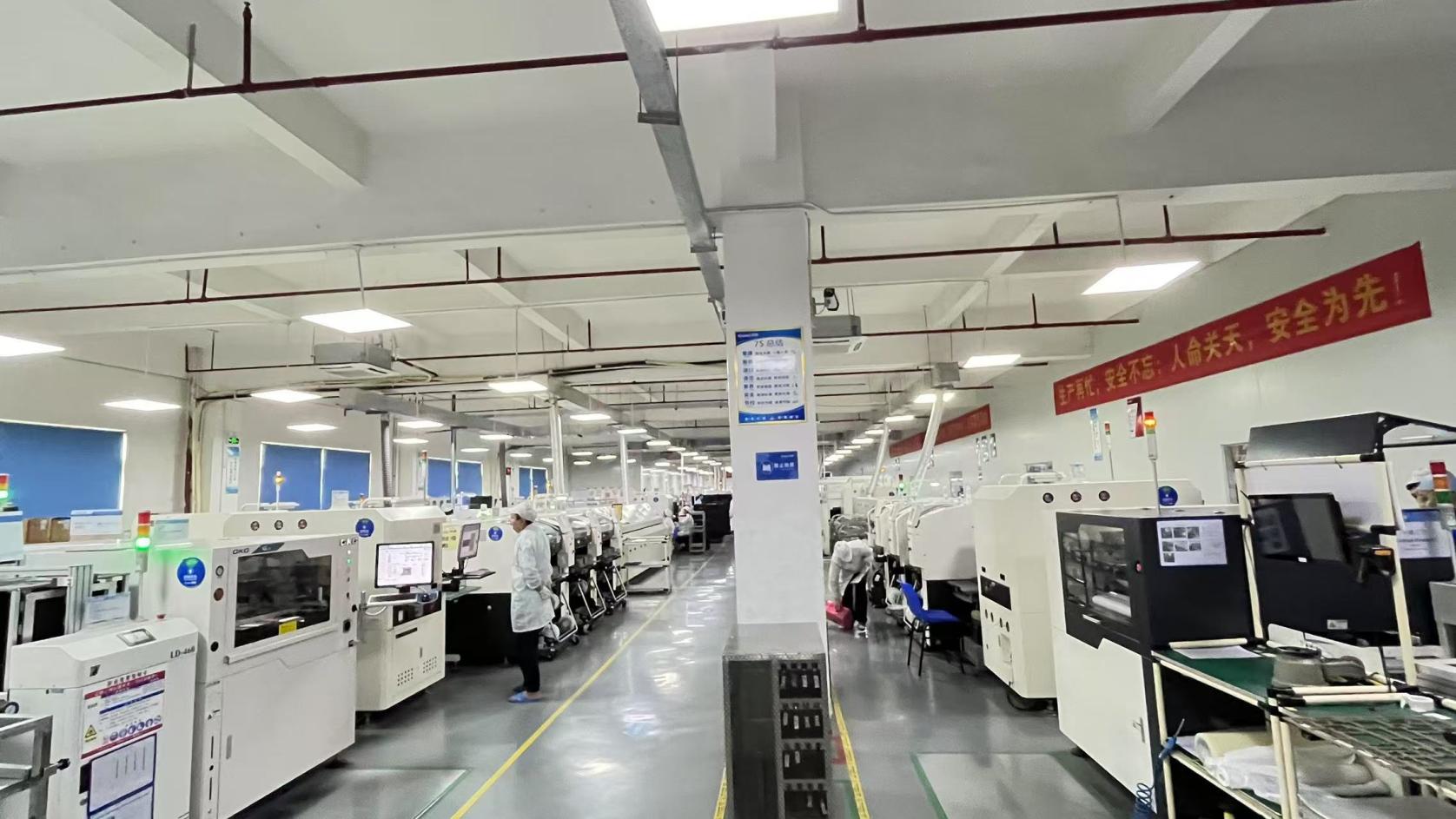
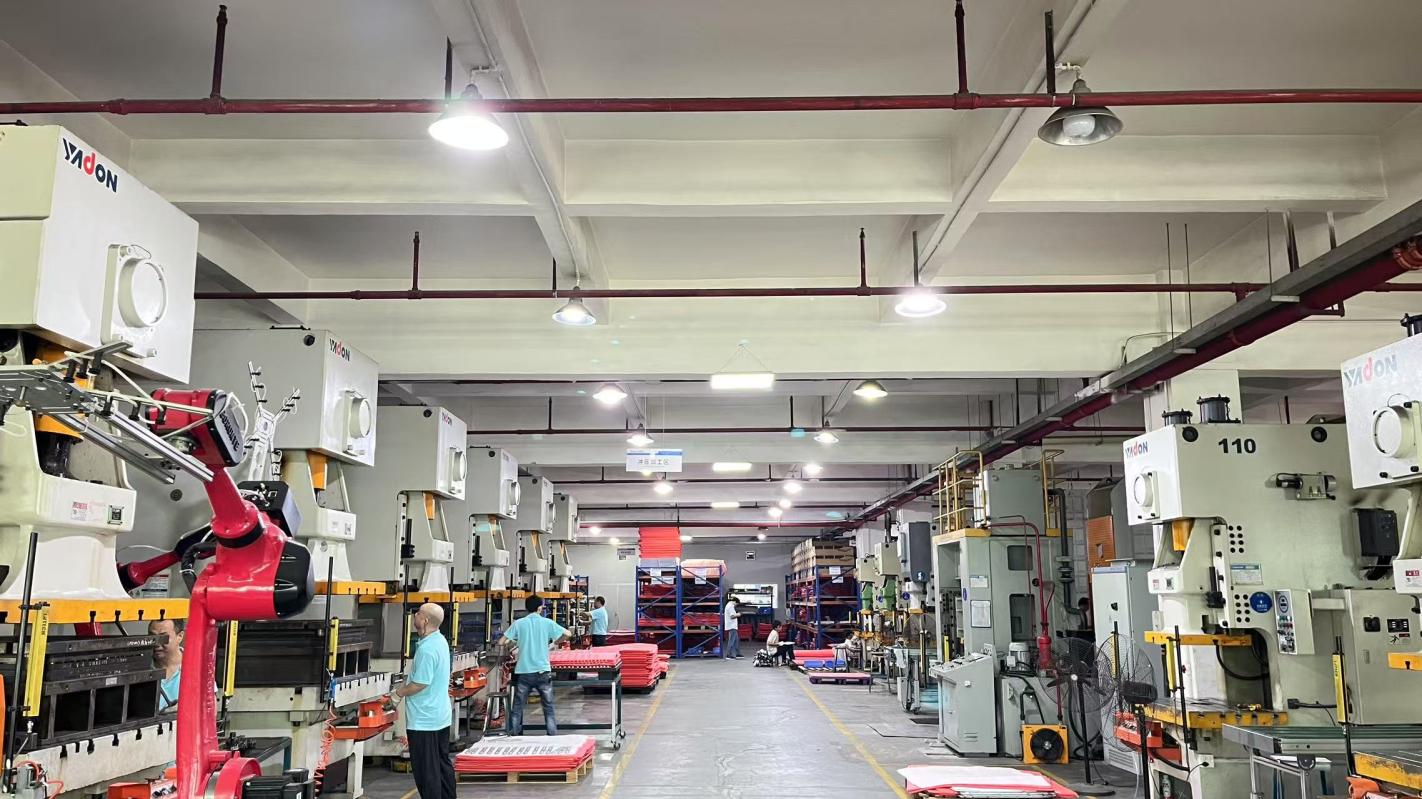
Vorynex supports global partners through a supply chain network of over 1,200 partners. This system allows us to source raw materials, specialized high-frequency laminates, and electronic components reliably, stabilizing production costs even during market fluctuations.
Our manufacturing processes conform to international standards, including ISO 9001 and IATF 16949 for automotive applications. All products comply with RoHS and REACH regulations to ensure environmental compatibility. We perform thermal-cycling and long-term aging tests on completed boards to guarantee performance, particularly for harsh industrial deployments.
The core difference lies in thermal performance. A standard Aluminum Metal Core PCB (MCPCB) features a thermal conductivity range of 1.0 to 4.0 W/m·K, which dissipates heat directly from the components to the mounting chassis. Conventional FR4 is structurally sound but acts as a thermal insulator (approx. 0.25 W/m·K), requiring additional thermal vias to transfer heat away from high-power LEDs.
White solder mask is commonly selected for LED applications due to its high reflectivity. It reflects ambient light from the board surface, enhancing overall brightness and light output efficiency compared to darker colors like green or black, which absorb light energy.
We minimize solder voiding beneath thermal pads by optimizing our stencil apertures, using high-quality SAC305 solder paste, and tailoring the reflow profile. Our optical inspection (AOI) checks for correct paste coverage to ensure robust thermal contact between the LED and the substrate.
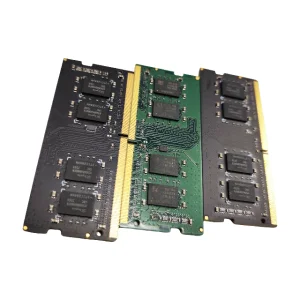
 Vorynex