In the rapidly changing electronics landscape, traditional fiberglass substrates (FR4) often run into thermal bottlenecks when deployed in high-power applications. As power densities increase in Solid-State Lighting (SSL), automotive traction systems, industrial motor controllers, and high-frequency computing units, Metal Core PCBs (MCPCBs)—specifically Aluminum PCBs—have emerged as the definitive standard for heat management.
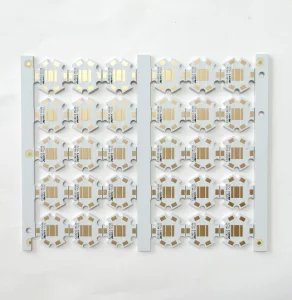
Aluminum-clad PCBs feature a structured layered configuration optimized to draw heat away from active components like LEDs, MOSFETs, and high-speed processors. A typical high-performance stack-up consists of a copper circuit layer, a thin yet highly conductive dielectric polymer layer, and a base metal aluminum plate. By utilizing aluminum alloys like the 1000, 5000, or 6000 series (including the popular T6 5050/3535 lamp bead substrate designs), thermal energy is distributed efficiently across the plate, keeping junction temperatures low and extending product lifetimes.
Optimizing thermal conductivity requires precision in both raw materials and manufacturing methods. Standard Aluminum PCBs deliver a thermal conductivity range between 1.0 W/m·K and 3.0 W/m·K, while specialized high-performance dielectric layers can push performance up to 8.0 W/m·K.
We formulate custom polymer-ceramic blends to regulate insulation and minimize thermal impedance, achieving breakdown voltages up to 6kV AC.
Offering Al 5052 and Al 6061 grades, providing superior mechanical strength, corrosion resistance, and thermal dispersal profiles.
Available in thicknesses from 1oz to 6oz, designed to support high current loads and lower electrical losses.
For critical components like high-brightness LEDs, our T6 5050/3535 lamp bead aluminum substrates are designed to match the thermal contraction and expansion parameters of modern packages. By reducing mechanical stress at the solder joints, these substrates protect against delamination and circuit cracking, even through rapid thermal cycles.
Industrial sourcing managers are shifting away from generalist suppliers to specialized manufacturers capable of providing end-to-end design, thermal simulation, and production. Modern supply chains require traceabilities, localized technical compliance, and sustainable raw material sourcing.
The shift toward high-power density systems, particularly in automotive electrification (EV chargers, DC-to-DC converters) and smart grid infrastructure, is driving demand for multi-layered metal-clad structures. Suppliers must maintain robust supply chains for high-performance dielectric materials, guaranteeing consistent lead times despite raw material fluctuations.
To address this, Vorynex Tech Group leverages a database of over 1,200 supply chain partners. This network ensures stable sourcing of raw components, high-grade aluminum alloys, and high-purity copper, minimizing delivery bottlenecks for urgent production runs.
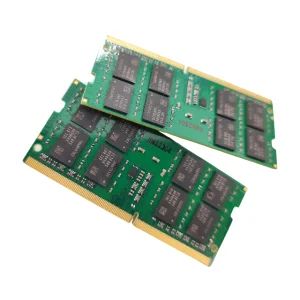
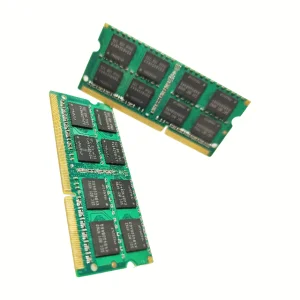
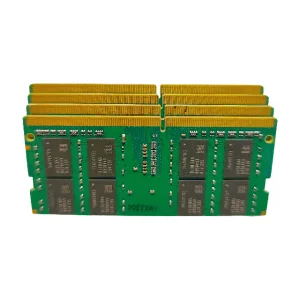
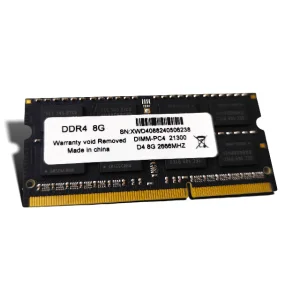
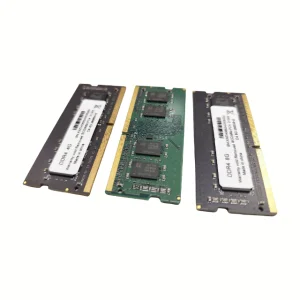
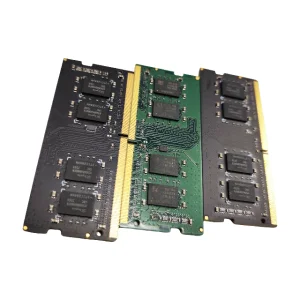
Established in 2016, Vorynex Memory Technology (China) Co., Ltd. is a manufacturer and OEM/ODM solution provider specializing in high-performance memory modules and advanced thermal substrate engineering for global markets.
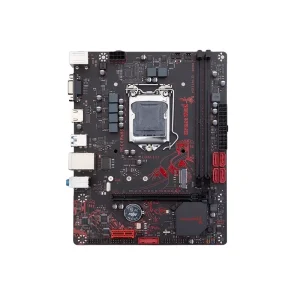
Operating a cleanroom facility covering approximately 320㎡, Vorynex balances high-speed automated output with precise control. This setup supports rapid prototyping and high-reliability processing of customized high-speed memory modules, high-frequency motherboards, and specialized metal-clad PCBs.
With 6 years of export experience and 12 years of industry experience in semiconductors and electronics manufacturing, Vorynex reports an annual export revenue of USD 12 million. We serve tier-one markets across North America, Europe, Southeast Asia, the Middle East, and South America.
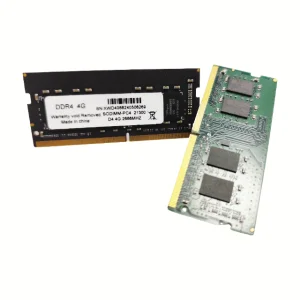
Our dedicated workforce includes a team of 180 R&D engineers focused on optimizing signal and power integrity, thermal pathways, and multi-layer board stack-ups. In the past year alone, the company introduced around 240 new models, including DDR4, DDR5, and specialized industrial aluminum-clad systems.
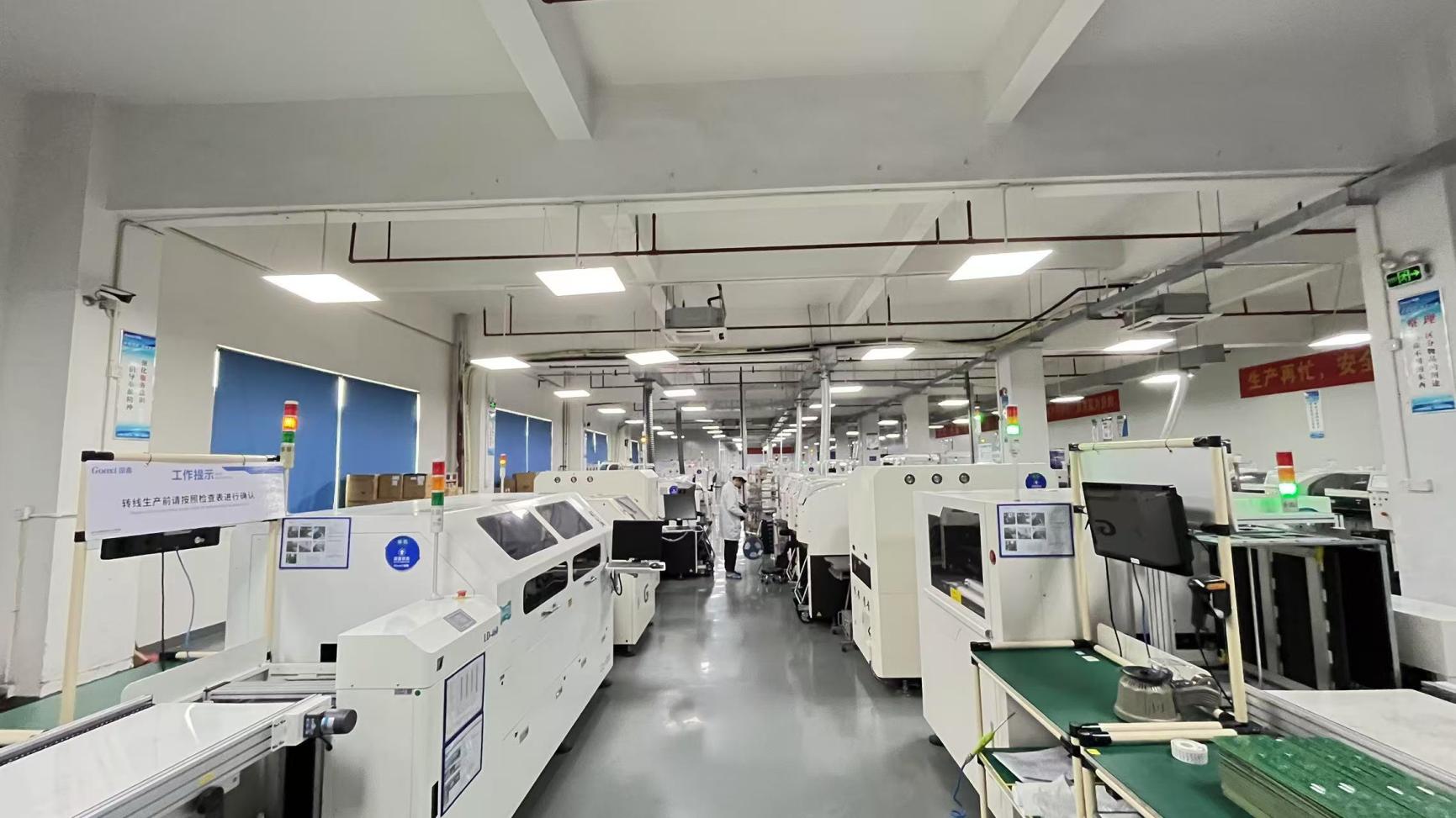
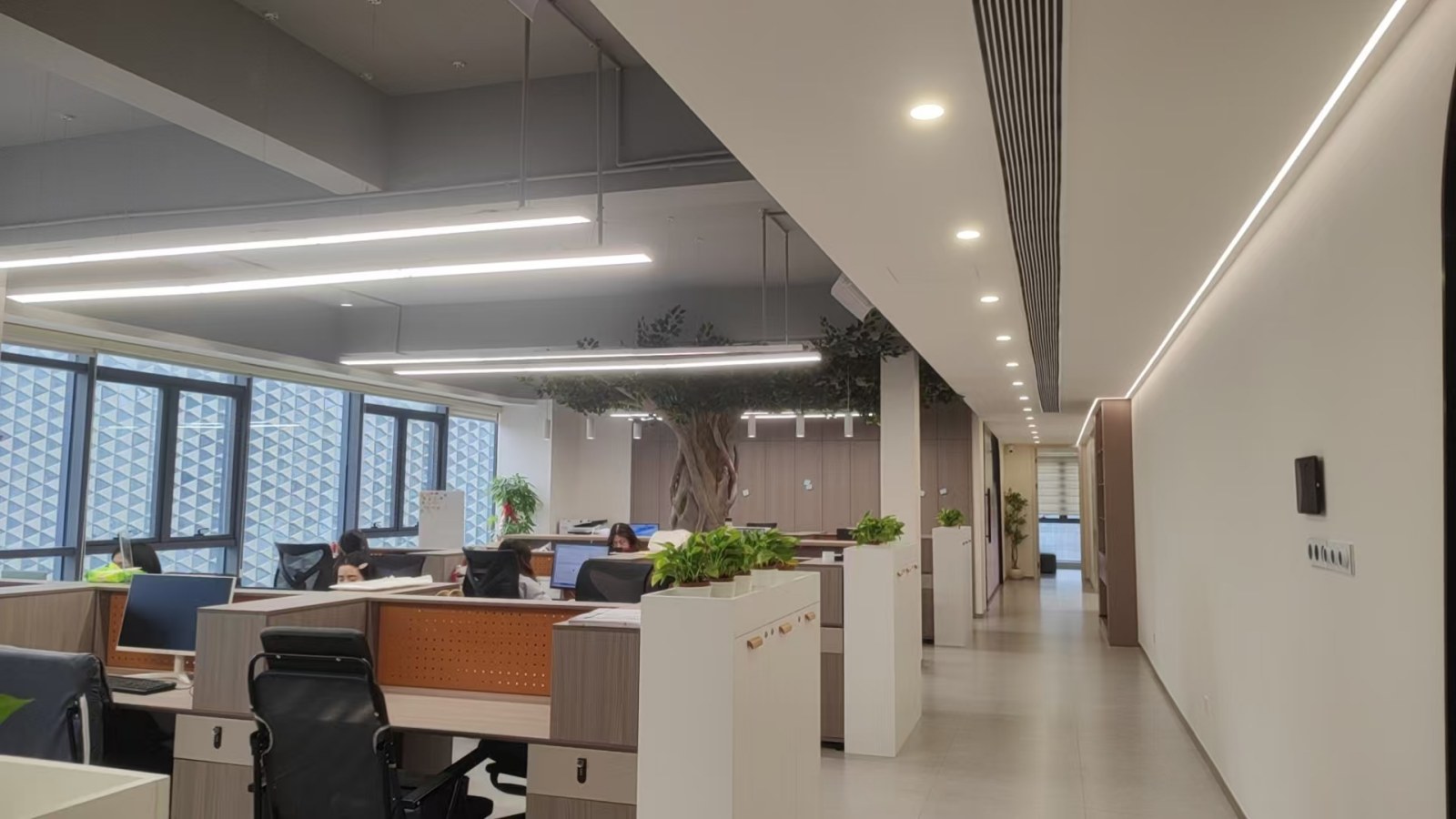
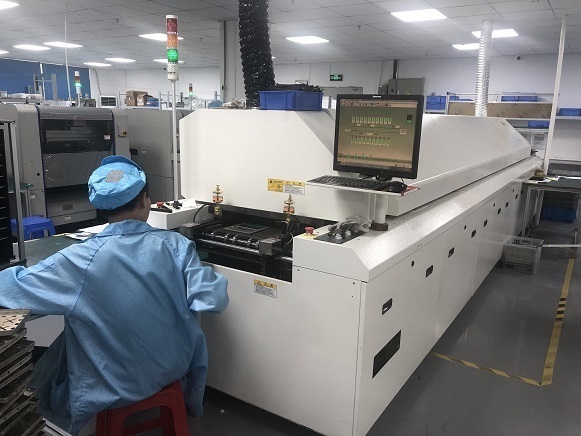
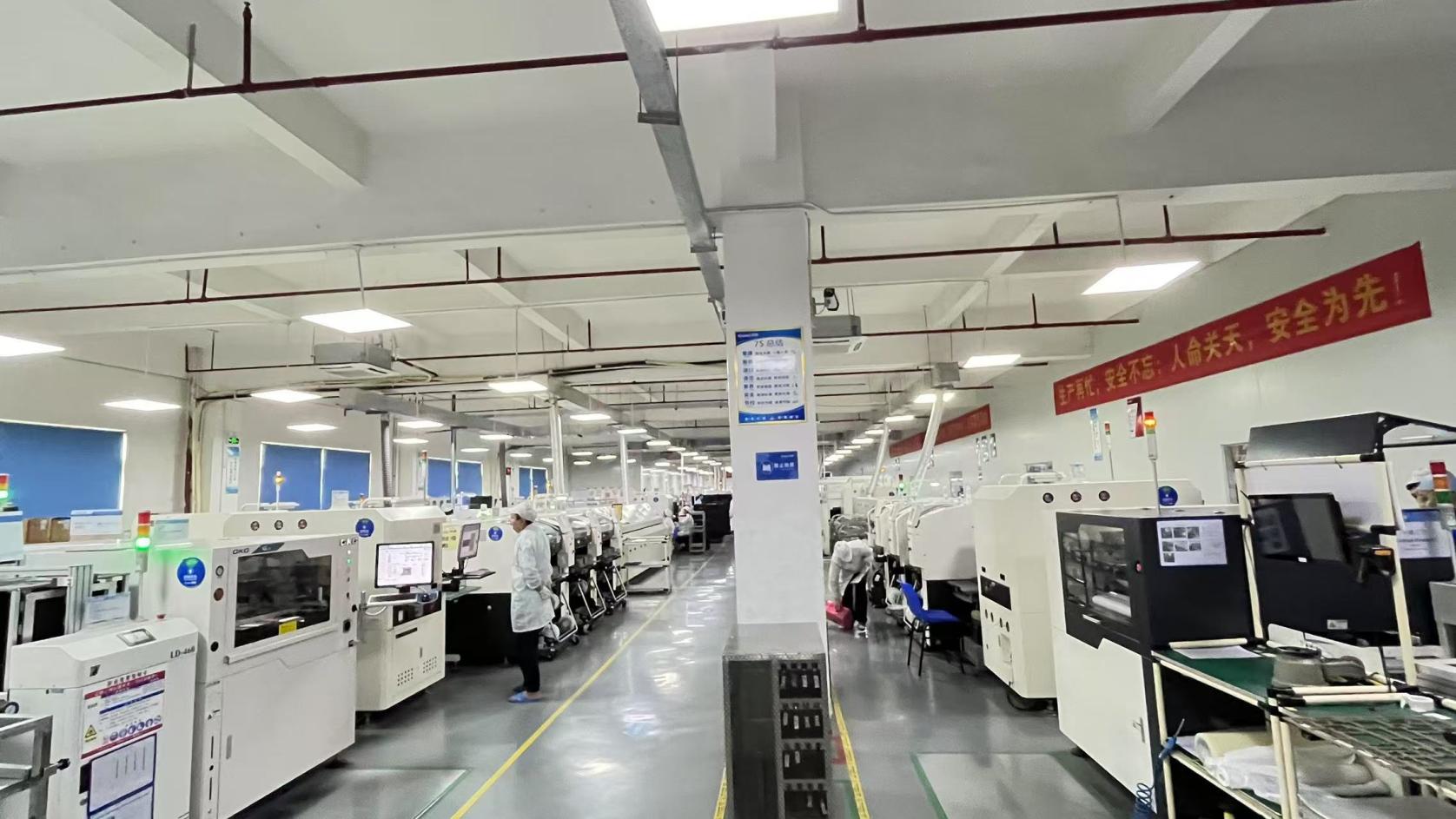
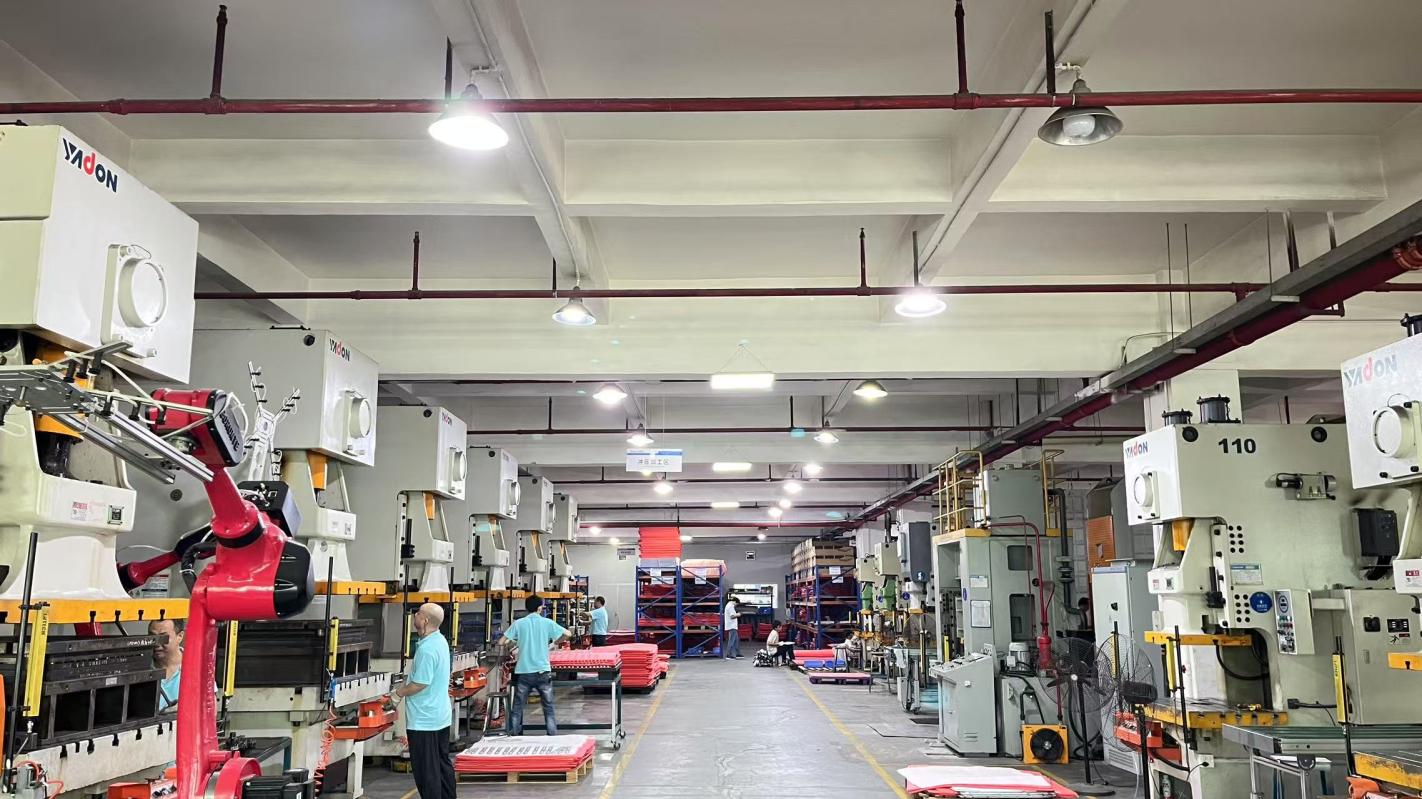
Product failure in industrial applications can cause significant downtime and capital losses. To mitigate this risk, Vorynex enforces strict inspection steps overseen by 45 professional QC staff. We control the fabrication process from raw materials to final systems.
Our Quality Control framework includes:
Thermal substrates and high-density memory modules serve different roles but are linked by the need for reliable thermal dissipation. Vorynex supports system integrators by offering integrated cooling and computing products.
Solid-State LED Lighting: High-power light engines use our T6 5050/3535 lamp bead aluminum substrates to move heat away from light emitters, preserving color stability and lumen output.
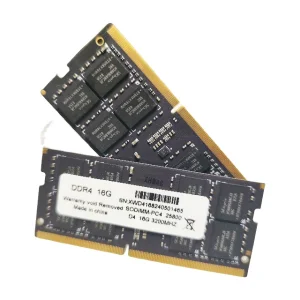
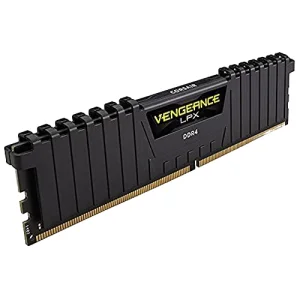
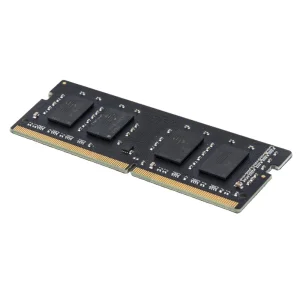
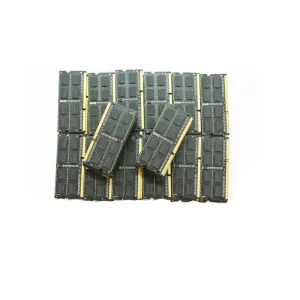
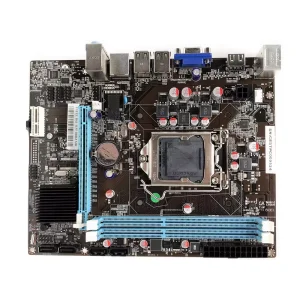
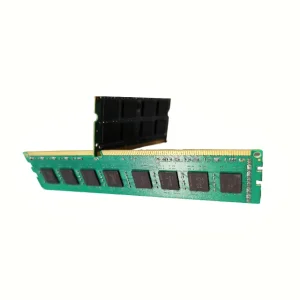
High-Speed Computing & Servers: For enterprise server environments, we supply high-performance DDR4, DDR5, and ECC modules. Our thermal designs help prevent performance throttling in memory modules and motherboards (such as the H610 and H311 lines) under heavy computing loads.
Automotive & Power Management: Double-sided metal-clad boards are used in onboard converters, battery management sub-assemblies, and motor drives to handle heat from high-current electronics.
As electronics move toward smaller footprints and higher power levels, metal core substrate designs are shifting from simple heat spreaders to active parts of the circuit architecture. Vorynex is investing in several future technologies:
Aluminum substrates provide significantly higher thermal conductivity (typically 1.0 to 3.0 W/m·K) compared to standard FR4 (about 0.25 W/m·K). This helps direct heat away from active components, lowering junction temperatures, improving performance, and extending the operational lifetime of components like high-power LEDs and power transistors.
Aluminum 1060 is often chosen for general designs because of its high thermal performance and workability. For applications requiring mechanical rigidity, drilling, or machining, Aluminum 5052 and 6061 are preferred. Aluminum 5052 offers excellent resistance to fatigue and corrosion, while 6061 provides high tensile strength, making it suitable for aerospace and automotive environments.
Most LED layouts use a dielectric thickness between 75μm (3 mils) and 150μm (6 mils). Thin layers reduce thermal impedance but lower the electrical breakdown voltage. Our engineering team selects the layer thickness to balance thermal dissipation with electrical isolation requirements.
Our quality process includes AOI for circuit pattern validation, in-circuit test probes (ICT) for path checks, and high-temp aging and thermal cycling to detect manufacturing flaws. These steps are managed by our 45-person QC team.
Yes. Our R&D and production setup handles both high-speed digital designs (like DDR4/DDR5 modules and motherboards) and thermal substrates. This combination allows us to supply complete assemblies for computing setups that need both data processing and heat management.
We provide deep customization, including specific dielectric materials, custom metal profile milling, varying copper weights (up to 6oz), gold surface finishes, and specialized legend printing. We also configure custom SPD/firmware settings for our memory product range.
 Vorynex