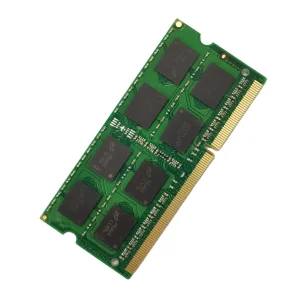
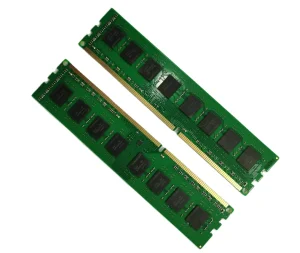
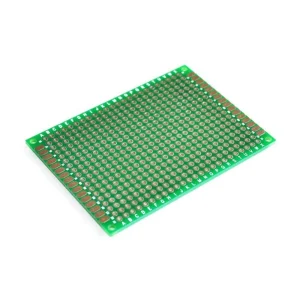
In the hyper-evolving landscape of global hardware technology, China remains the critical anchor point for electronics components manufacturing. The regional hardware clusters across the Greater Bay Area and Yangtze River Delta offer unparalleled industrial integration, uniting raw silicon purification, chip packaging, printed circuit board (PCB) fabrication, and full-scale system-level assembly. This concentration of production reduces logistical latency and enables extreme adaptability to shifts in global semiconductor architectures.
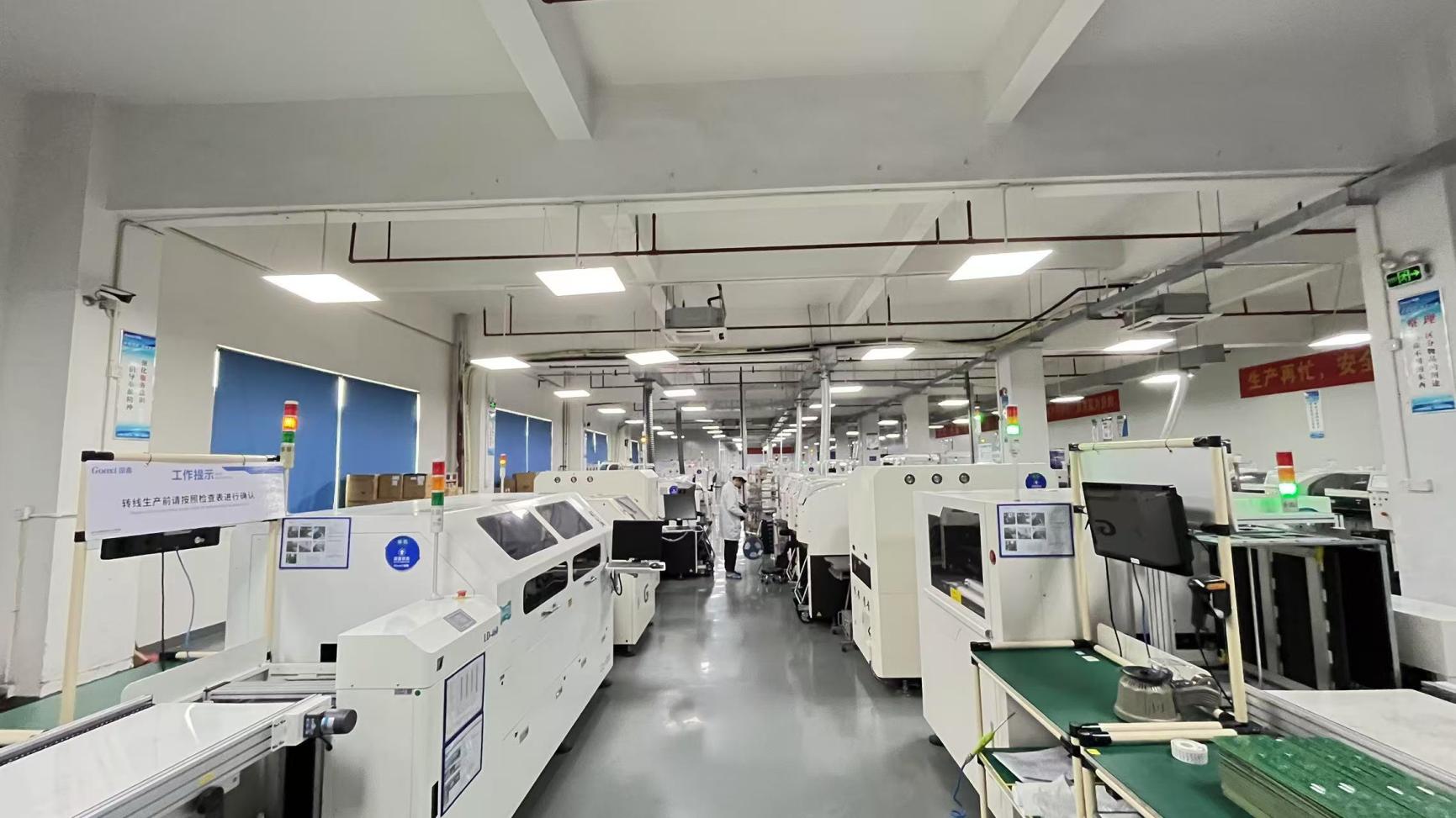
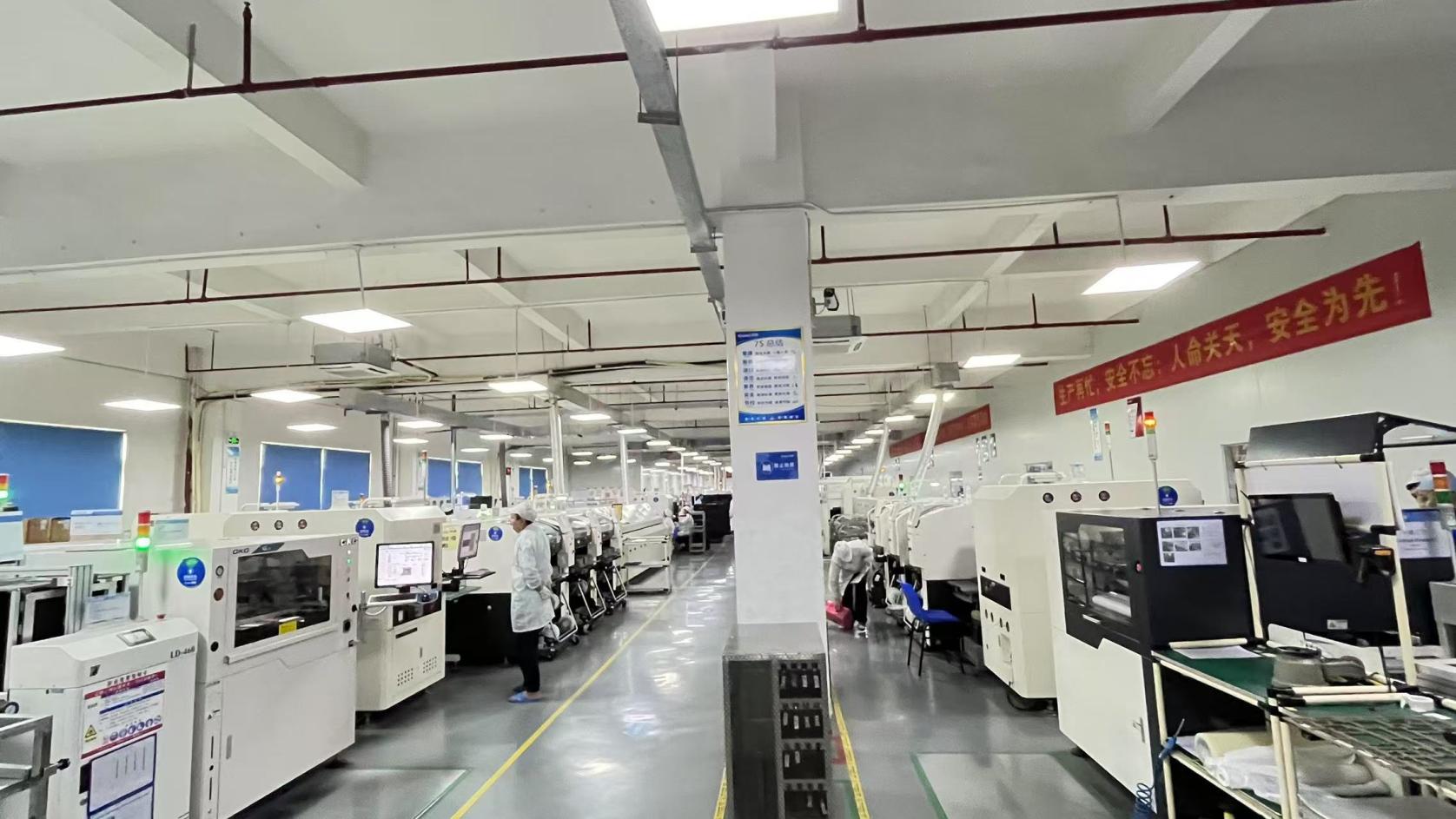
Modern electronic supply demands have transitioned from high-volume, low-cost assembly to precision-engineered OEM/ODM services. Global enterprises require high-frequency signal integrity, extreme thermal tolerance, and low latency across memory arrays, multilayer circuit designs, and power electronic interfaces. Leading Chinese factories have met this demand by transitioning into highly automated Industry 4.0 production environments, embedding AI inspection systems and automated test fixtures directly into the hardware assembly flow.
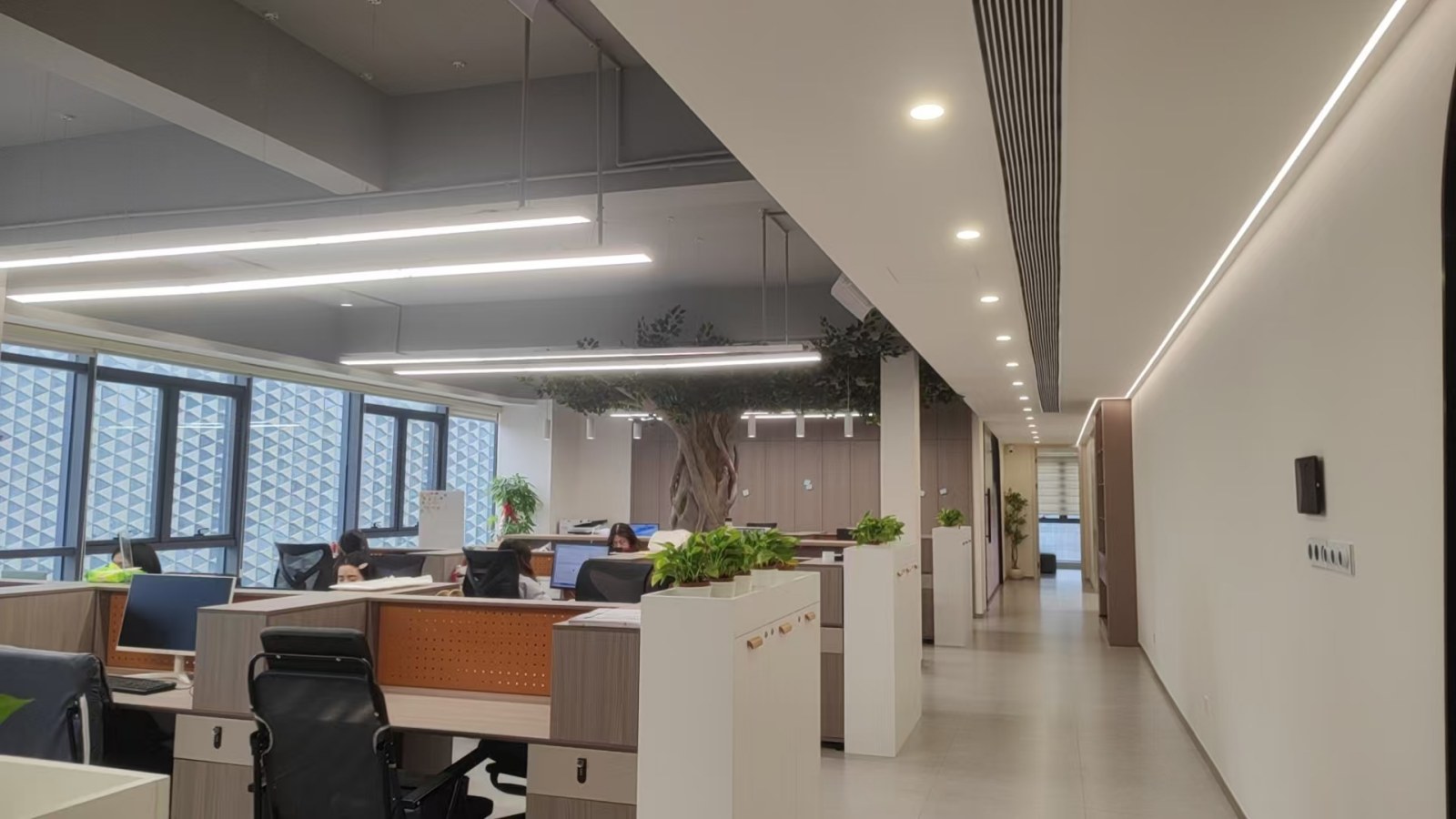
As a pioneer in memory sub-assembly solutions, Vorynex Memory Technology (China) Co., Ltd. serves as a benchmark for high-performance component engineering. Established in 2016, the enterprise has spent over a decade cultivating deep engineering expertise in memory architectures, semiconductor validation, and thermal mitigation design. The company operates a specialized, high-precision facility that serves as a core optimization and packaging lab, supported by a network of over 1,200 supply chain partners for mass scale and component procurement.
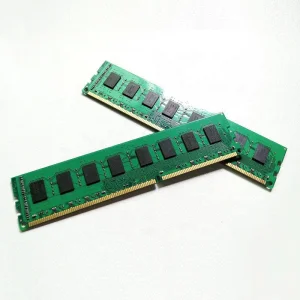
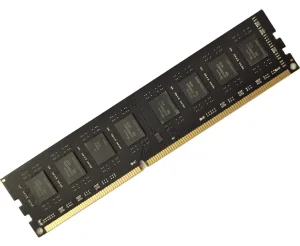
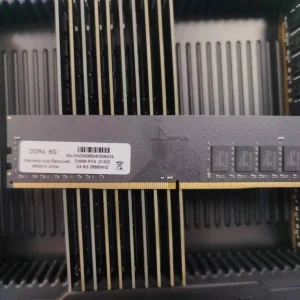
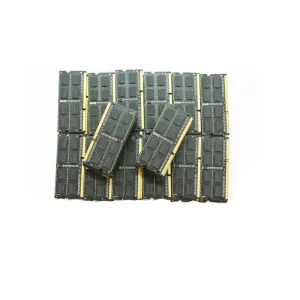
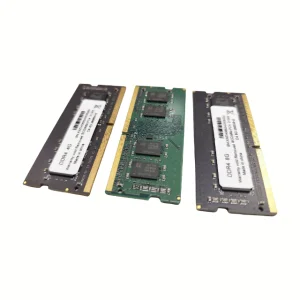
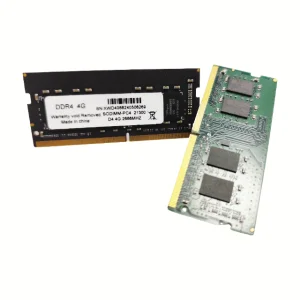
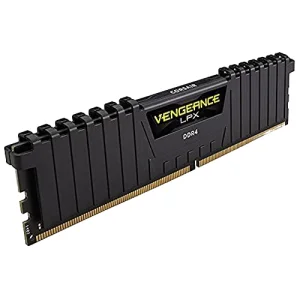
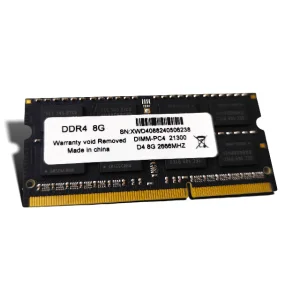
With approximately 180 design and implementation engineers on staff, Vorynex actively bridges the gap between raw silicon wafer technologies and final server-ready modules. Last year alone, the R&D team deployed approximately 240 new product models, spanning extreme-clock speed DDR5 gaming RAM, high-density server-grade DDR4 ECC memory modules, and specialized, vibration-resistant embedded flash arrays. The customization capability is exhaustive, offering clients complete flexibility over:
Multi-layer signal routing designs (up to 10 layers) to control impedance and optimize crosstalk for DDR5 high-speed interfaces.
Fine-tuning profile configurations for XMP 3.0 / EXPO to ensure plug-and-play performance up to 6000MHz and beyond.
Custom EEPROM SPD data coding to maximize platform compatibility across Intel, AMD, and ARM-based servers.
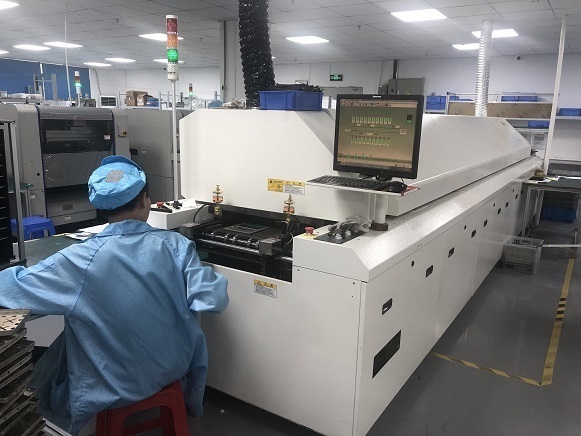
In electronics assembly, the cost of quality failures escalates exponentially down the supply chain. Vorynex structures its production around a multi-tier testing framework. Products do not leave the floor without undergoing deep automated analysis designed to eliminate field failures.
Quality starts at the substrate. Vorynex’s partnership network enables procurement of top-grade DRAM dies (Samsung, SK Hynix, Micron). Every wafer batch goes through rigorous internal classification sorting. This guarantees that modules shipped globally feature identical performance curves, preventing erratic hardware dropouts when deployed inside dense enterprise clusters.
The electronics manufacturing sector is undergoing several transformative technology transitions. Understanding these roadmaps allows global procurement managers to select appropriate hardware versions that avoid early obsolescence.
DDR5 redefines memory sub-systems by moving the power management integrated circuit (PMIC) from the motherboard directly onto the memory module (DIMM). This localizes power regulation, reduces noise, and scales bus speeds past 6000MT/s. Additionally, DDR5 integrates on-die ECC, offering localized single-bit error corrections directly on the silicon die to handle high-density node requirements.
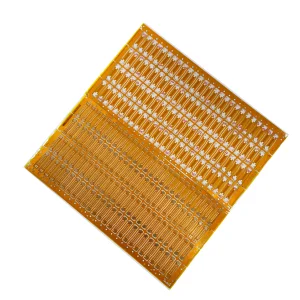
As mobile and smart-wearable enclosures shrink, the demand for single and multi-layer polyimide flexible printed circuits (FPCs) is skyrocketing. Traditional FR4 rigid structures are replaced with thin, dynamic polyimide sheets that survive continuous flexing cycles while maintaining high-density interconnect routing paths for sensors, keyboards, and display assemblies.
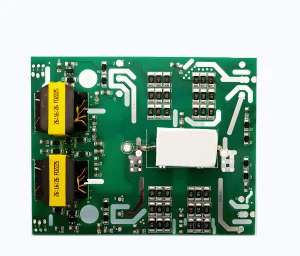
Heavy industrial applications like inverter welding systems rely on highly robust IGBT driver modules. The integration of advanced power IC drivers with optocoupler isolation circuits protects primary processing boards from catastrophic high-voltage reverse surges, ensuring long lifespan cycles in dusty, thermally extreme environments.
Components must match the mechanical, thermal, and regulatory environments of the industries where they deploy. Chinese component factories categorize their manufacturing pipelines to match specific macro sector requirements.
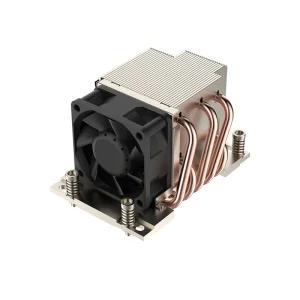
Datacenters demand continuous uptime. High-capacity ECC (Error-Correcting Code) RAM arrays detect and rectify data corruption in real-time, preventing system crashes. High-static pressure CPU coolers, such as the 350W AMD SP6 2U fan solutions, ensure dense rack deployments remain cool. These cooling systems prevent thermal throttling of processors that run continuous virtualization and database processes.
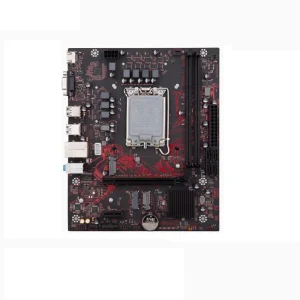
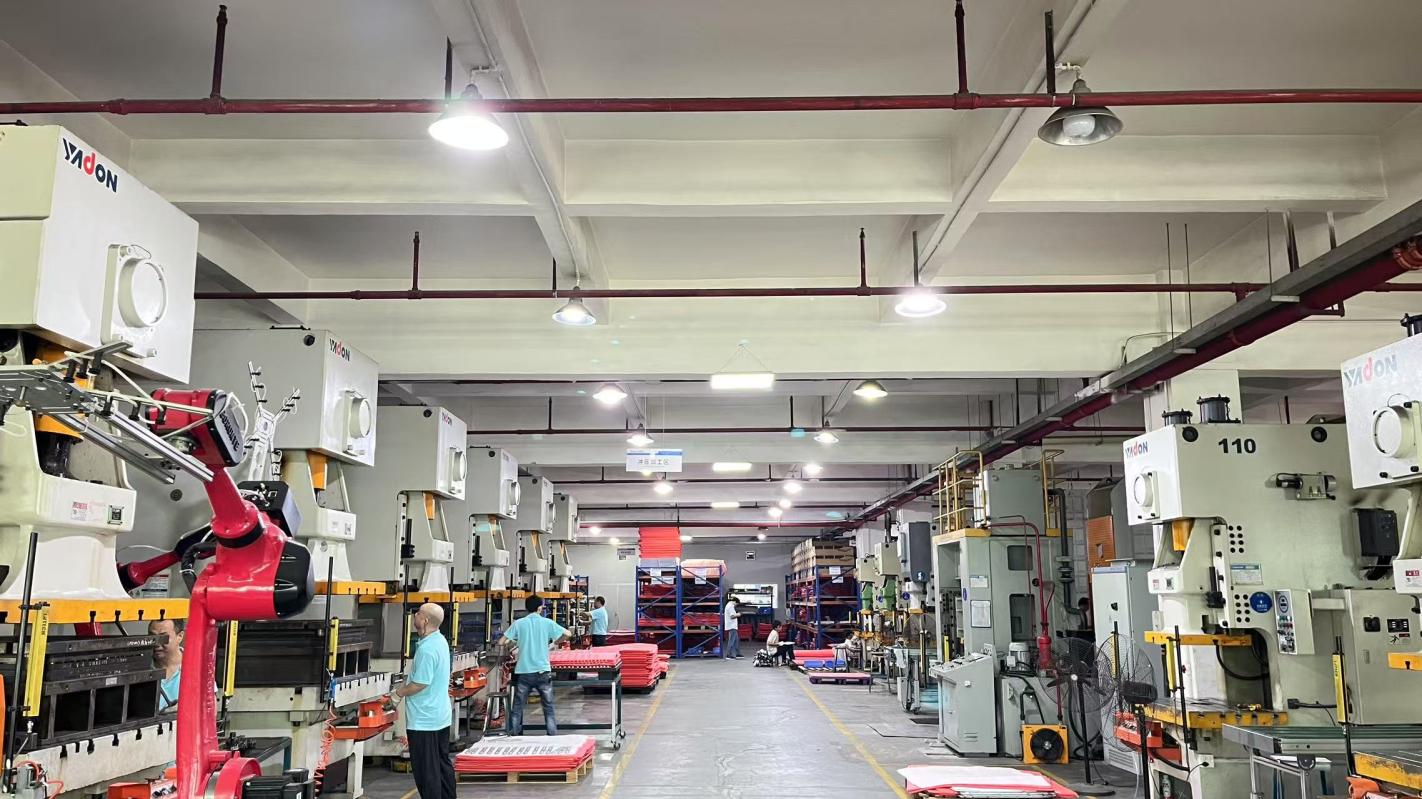
Industrial manufacturing floors present challenging electrical conditions. Inverter welding machines and automation logic systems require specialized control boards. These control boards must feature thick copper traces, conformal coatings, and robust shielding to resist electromagnetic interference (EMI) and survive high vibration cycles.
Procuring from China requires deep alignment with global electronics regulations. Top-tier manufacturers like Vorynex manage these compliance issues transparently to prevent shipping customs issues and project delays.
Global component distribution requires adherence to strict guidelines:
A single component shortage can delay entire assembly lines. By sourcing from a certified network of 1,200 partners, Vorynex provides product longevity and mitigates end-of-life component challenges. The company offers drop-in replacements for standard components and keeps buffer stocks of critical silicon dies to protect clients from market shortages.
 Vorynex