Discover our high-reliability, heavy-duty aluminum PCBs, light-bead circuit boards, and custom ODM PCBA controllers designed for optimal thermal management and precise electrical driver control in industrial disinfection systems across Pakistan.
Across Pakistan's rapidly expanding commercial and municipal infrastructure, traditional chemical and mercury-based sanitation systems are undergoing a historic transformation. Driven by the need for sustainable, eco-friendly, and energy-efficient pathogen control, sectors such as healthcare, textiles, food processing, and municipal water purification are standardizing on Deep Ultraviolet (UVC) LED technology. In Karachi, Lahore, and Islamabad, municipal and private entities face unique environmental and microbiological challenges that demand highly reliable germicidal solutions.
Unlike traditional low-pressure mercury lamps, which are fragile, contain toxic elements, and require high startup voltages, AlGaN (Aluminum Gallium Nitride) semiconductor-based UVC LEDs offer targeted emission at germicidal wavelengths (specifically 260nm to 280nm). This wavelength directly disrupts the molecular structure of DNA and RNA in microorganisms, preventing replication and ensuring a log-reduction value (LRV) up to 99.99%.
With regional challenges in secure water distribution, municipal departments are implementing localized, decentralized flow-through UVC LED reactors. These systems require high-current capacity substrates capable of handling continuous operation in warm climates.
Pakistan's industrial engine—the textile sector in Faisalabad and agricultural processing plants—utilizes high-output UVC arrays to prevent mold, yeast, and bacterial contamination on product surfaces and raw materials without chemical residues.
Hospitals and laboratories in Lahore are integrating HVAC-mount UVC sterilizers and autonomous robotic disinfectors. These devices rely heavily on intelligent control boards and embedded computational hardware for real-time monitoring and scheduling.
Designing and manufacturing viable UVC LED disinfection systems presents a significant engineering hurdle: heat dissipation. UVC LEDs operate at relatively low wall-plug efficiencies (typically 2% to 8%), meaning that up to 98% of electrical energy input is converted to waste heat. In Pakistan's ambient temperature conditions (often exceeding 40°C in industrial hubs), managing the junction temperature ($T_j$) is vital to prevent optical power decay and preserve the lifetime of the semiconductor dies.
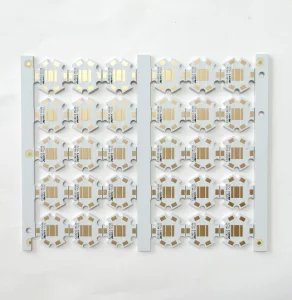
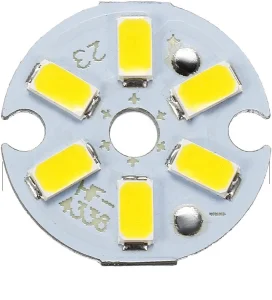
Our engineering team addresses this by utilizing Metal Core Printed Circuit Boards (MCPCB), specifically high-thermal conductivity aluminum and copper substrates. By combining high-grade dielectric layers with optimized thermal via configurations, we achieve thermal conductivity ratings up to 3.0 W/mK, drastically reducing thermal resistance and keeping LED junction temperatures well within the safe operational envelope.
| Parameter / Metric | Aluminum PCB Substrate Specifications | Copper-Core PCB Specifications | Typical Industrial Requirement (Pakistan) |
|---|---|---|---|
| Thermal Conductivity | 1.5 – 3.0 W/m·K | 4.0 – 8.0 W/m·K | > 2.0 W/m·K (For high-output arrays) |
| Dielectric Thickness | 50 – 100 μm | 35 – 75 μm | 75 μm standard for electrical safety |
| Breakdown Voltage | > 3.0 kV AC | > 4.0 kV AC | > 2.5 kV (Industrial grid stability) |
| Operating Wavelength | N/A (Substrate) | N/A (Substrate) | 265nm – 275nm (Germicidal peak) |
| L70 Lifetime expectancy | > 15,000 hrs (At Tj < 65°C) | > 22,000 hrs (At Tj < 60°C) | > 10,000 hrs under hot ambient temp |
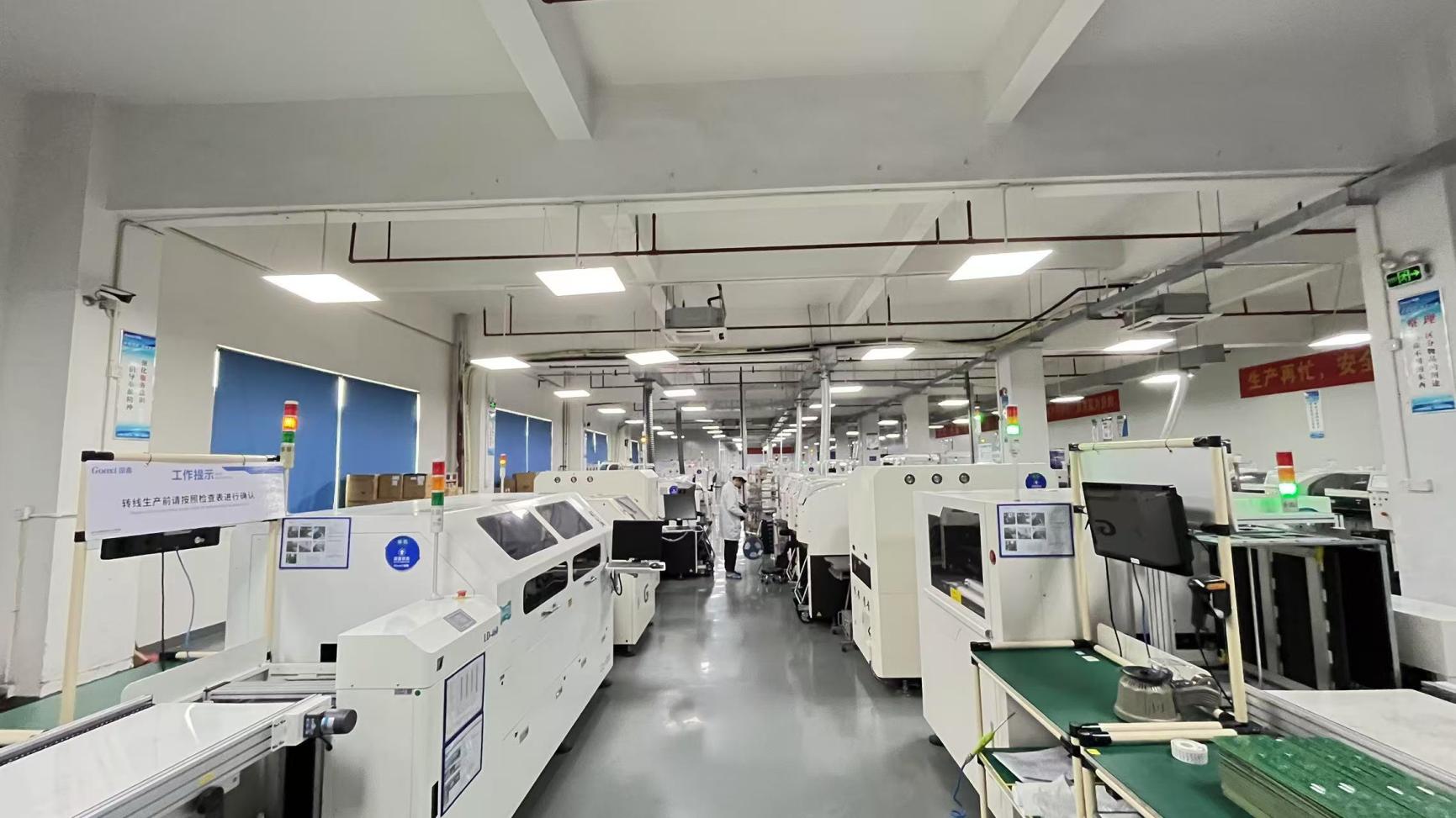
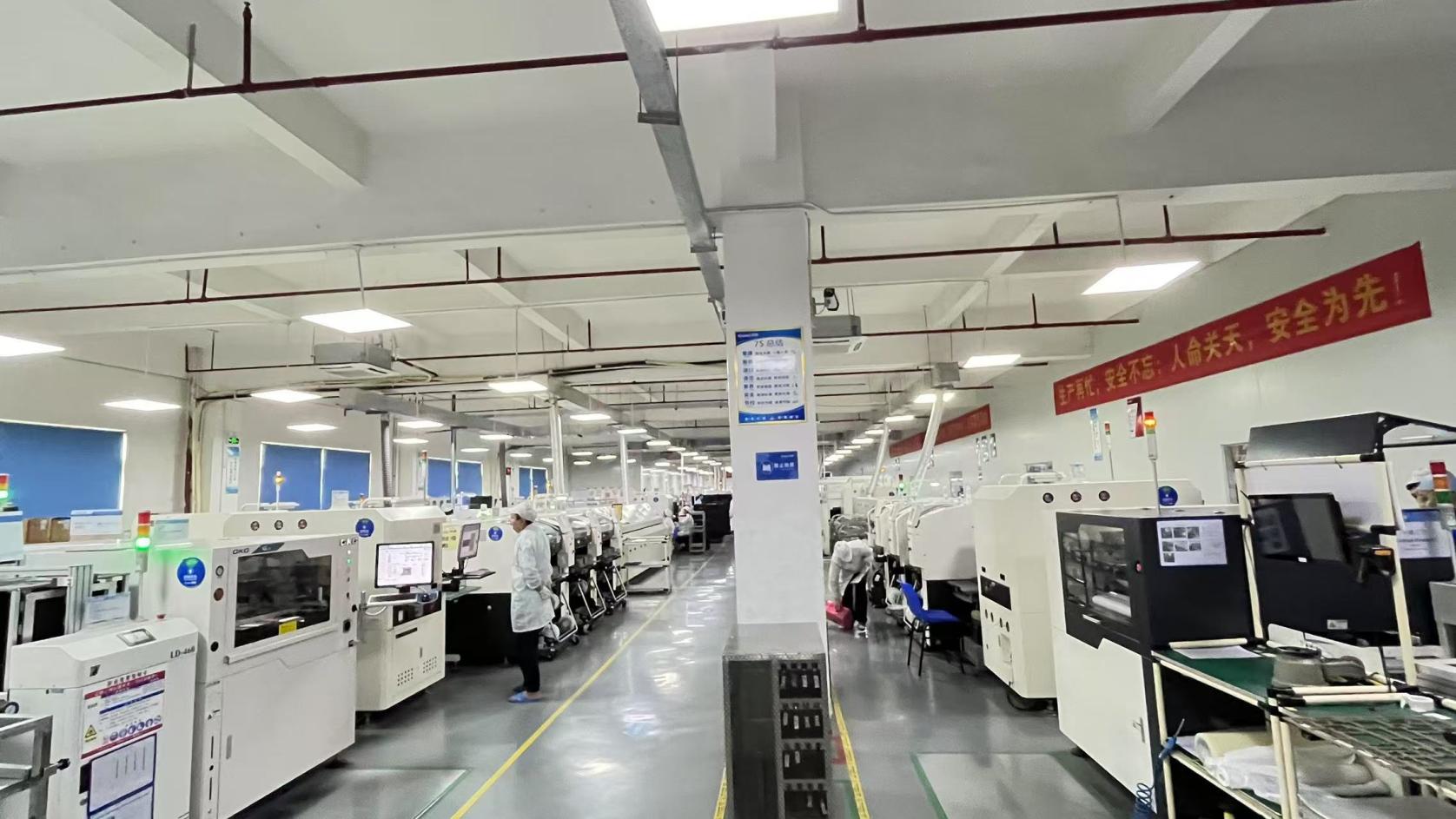
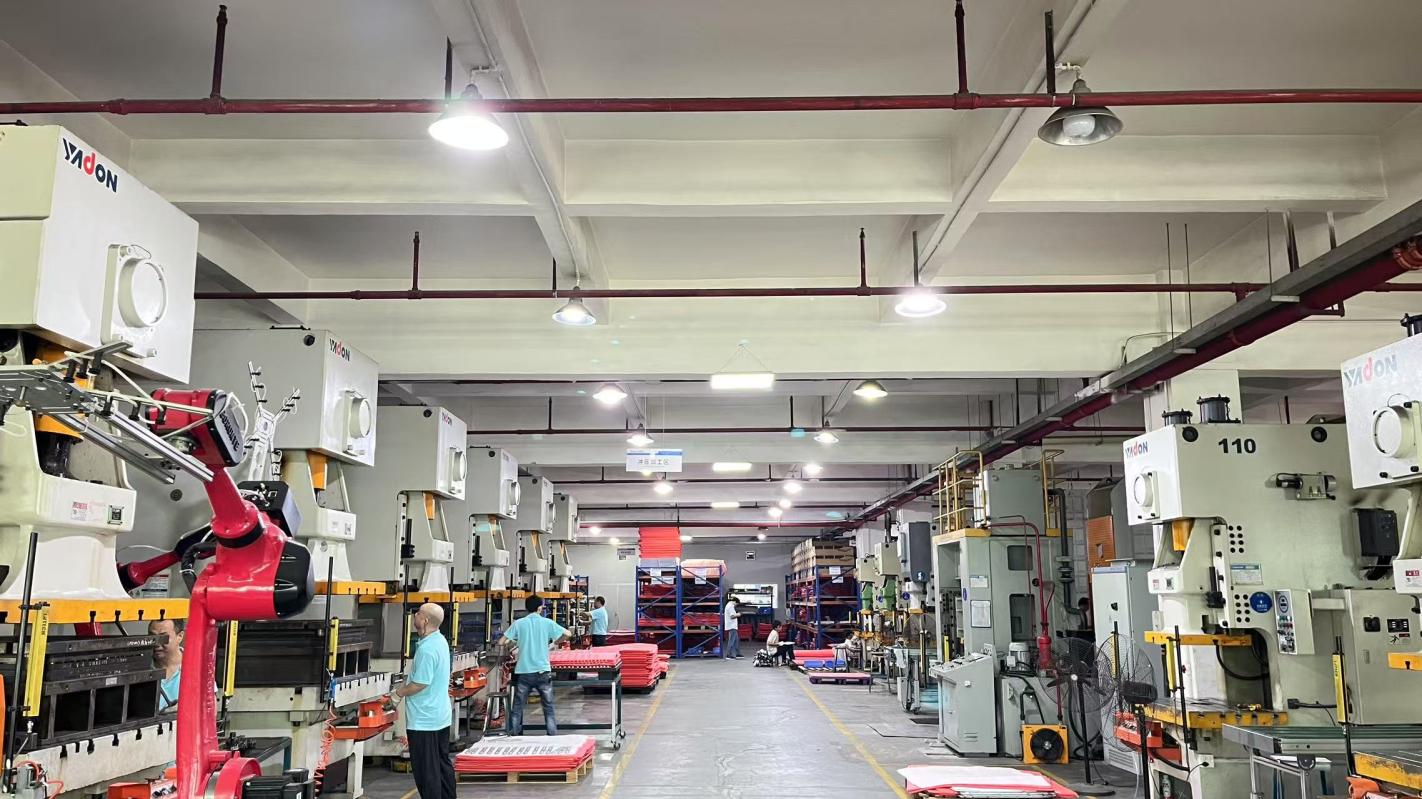
As a leading OEM/ODM provider, our modern manufacturing facility in China acts as a direct production arm for engineering projects in Pakistan. With the logistical advantages facilitated by the Pak-China economic partnerships, we offer localized support, fast-track custom prototyping, and bulk component export for system integrators in Karachi, Lahore, Rawalpindi, and beyond.
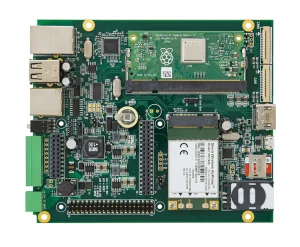
Our core strength lies in integrated manufacturing. While many LED providers only assemble components, we control the layout, die attachment, driver PCBA development, and processing systems. UVC disinfection reactors require complex intelligence—such as water flow sensors, safety auto-off tilt switches, and digital data loggers. These components rely on specialized controller motherboards and high-frequency industrial memory modules to run continuous sanitization logging software. We provide the full stack: from the aluminum UVC LED substrate to the central control board and industrial-grade memory modules that power modern, smart municipal treatment servers.
To ensure the absolute reliability of UVC LED disinfection networks, modern municipal water monitoring and air sanitation units utilize robust industrial computing infrastructure. Explore our enterprise controller hardware, motherboards, and memory modules.
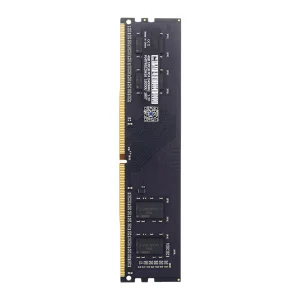
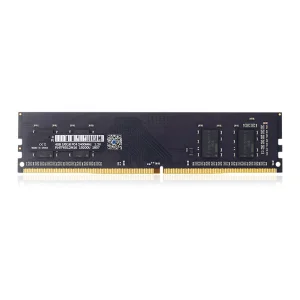
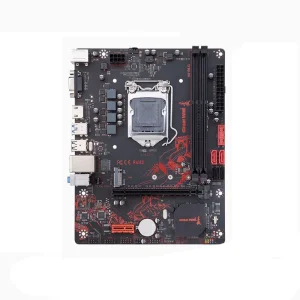
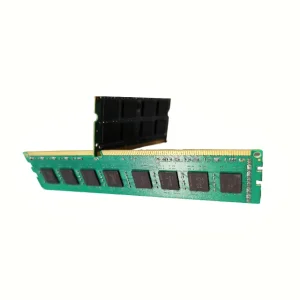
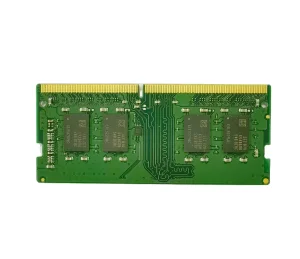
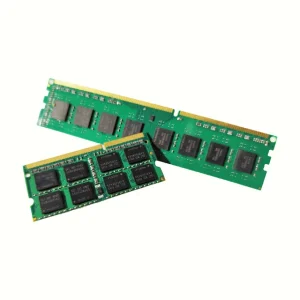
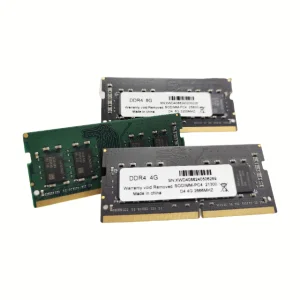
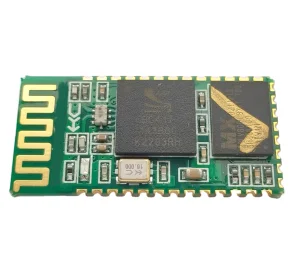
UVC germicidal products demand strict quality standards because insufficient ultraviolet dosing results in incomplete sterilization, creating biosafety risks. We run an extensive, multi-tier inspection protocol for all components manufactured and exported to Pakistan. This protocol spans initial semiconductor material checks up to complete system validation.
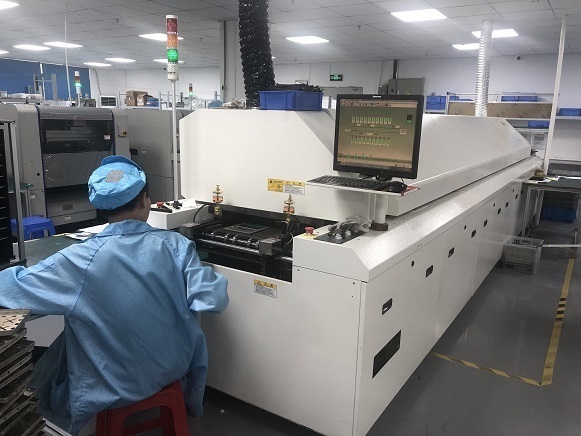
Our state-of-the-art testing process includes 100% functional testing, optical power measurement, wavelength confirmation, and high-temperature stress testing. Product inspection methods employ automated optical inspection (AOI), in-circuit testing (ICT), and final system-level validation. A quality assurance team of approximately 45 professional QC staff works to ensure that every batch of aluminum PCBs, LED circuits, and controller boards meets international safety guidelines.
Our high-speed camera systems scan every SMD placement and solder joint on our aluminum PCBs to guarantee zero defective components before packing and shipping.
Specifically optimized for Pakistan's warm ambient climate, our modules undergo long-run thermal chamber tests to ensure high-wattage components run stable in extreme conditions.
We confirm the electrical compatibility of our custom controller PCBA units with target sensor hubs, guaranteeing smooth integration for the end client.
UVC LEDs have a relatively low conversion efficiency, releasing the majority of their input power as heat. If the junction temperature rises above safe levels, the optical output declines rapidly, shortening the operating lifespan. In Pakistan, where summer temperatures can exceed 40°C, high-conductivity metal core (aluminum/copper) PCBs are essential to conduct heat away from the LED chips.
Yes. We support custom designs including frequency tuning, PCB shape customization, custom heat sinks, private label branding, and custom driver firmware optimization. Our R&D team can develop solutions to match your target water-flow speed or airflow rate.
Standard PCB substrate orders are processed within 7 to 10 working days, while custom ODM controller designs take 3 to 4 weeks for prototyping. Shipping is managed via direct air cargo to major cities (Karachi, Lahore, Islamabad) or ocean freight through Karachi Port, depending on the volume.
All our manufacturing processes conform to ISO9001 guidelines, and our UVC LED PCBs, controllers, and drivers are built to meet RoHS, CE, and FCC requirements. We also assist partners in Pakistan with the documentation needed for local imports.
Vorynex Memory Technology (China) Co., Ltd. is a professional memory manufacturer and OEM/ODM solution provider specializing in high-performance memory modules and advanced semiconductor substrate solutions for global markets.
Established in 2016, the company has developed strong manufacturing and engineering capabilities over the years. With a modern production facility, Vorynex focuses on delivering stable, high-speed, and energy-efficient electronic systems for gaming, industrial, and enterprise disinfection control applications.
The company achieves an annual export revenue of approximately USD 12 million, supported by 6 years of export experience and over 12 years of industry experience in semiconductor and board assembly fields.
Vorynex maintains strict quality control standards, including 100% functional testing, aging tests, compatibility testing, and high-temperature stress testing. Product inspection methods include automated optical inspection (AOI), in-circuit testing (ICT), and final system-level validation. The quality assurance team consists of approximately 45 professional QC staff ensuring consistent product reliability.
With a strong international trade background, Vorynex serves key markets including North America, Europe, Southeast Asia, the Middle East, and South America. The company collaborates with more than 1,200 supply chain partners, enabling stable sourcing of high-quality chips and components.
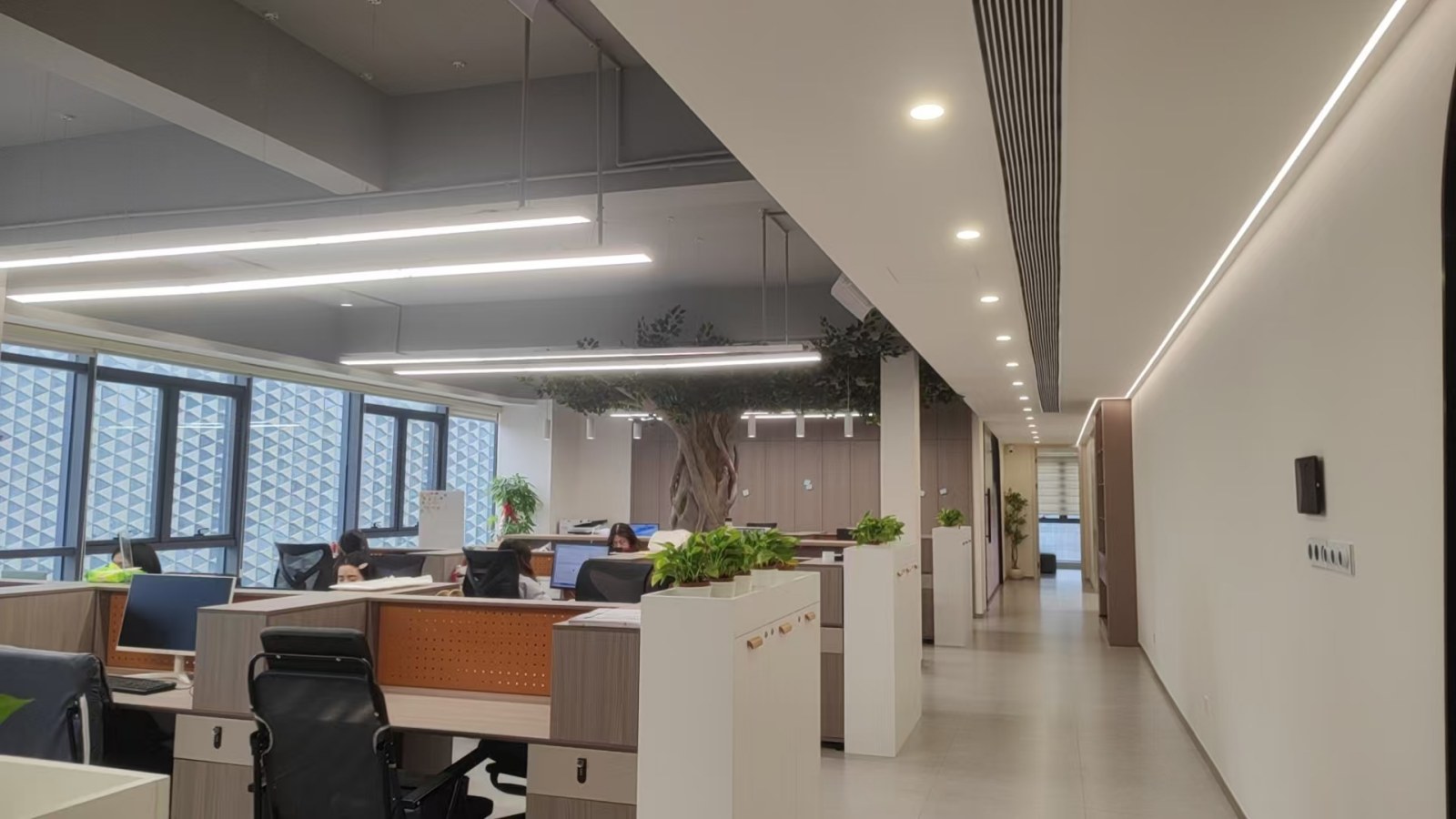
Its primary customer base includes brand distributors, system integrators, industrial equipment manufacturers, and municipal contractors. Vorynex also has strong R&D capabilities, supported by a team of approximately 180 R&D engineers, focusing on PCB thermal design, firmware optimization, and high-frequency data processing.
 Vorynex