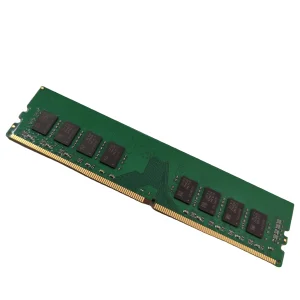
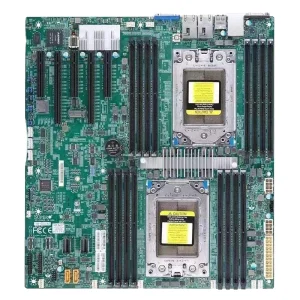
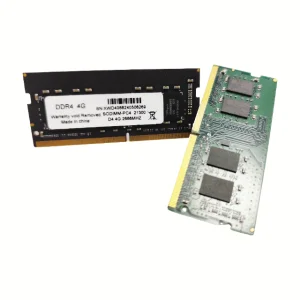
High-reliability memory components optimized for system integrators, embedded computing, and manufacturing terminals operating in extreme environments across Chicago and the Midwest.
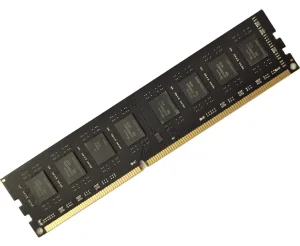
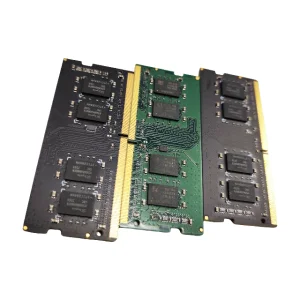
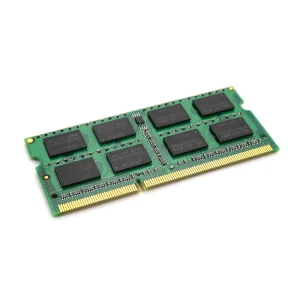
As a cornerstone of North American heavy industry, the Chicago metropolitan area serves as an essential nexus for aerospace engineering, high-temperature metal fabrication, automotive systems, and advanced agricultural machinery. In these environments, the electronic control units (ECUs) and processing motherboards must perform reliably under intense thermal duress.
Standard FR-4 circuit boards carry a Glass Transition Temperature (Tg) of 130°C to 140°C. When ambient operating temperatures or local component hot spots exceed this limit, the board transforms from a rigid state to a rubbery structure. This thermal transition triggers a spike in the Coefficient of Thermal Expansion (CTE), especially along the Z-axis. For the Chicago industrial cluster, where cold Midwestern winters contrast with intense foundry and mechanical heat, this means standard PCBs face immediate risk of plated through-hole (PTH) cracks, trace delamination, and outright system failure.
"High-TG PCBs feature a transition threshold exceeding 170°C. This chemical stability ensures minimal Z-axis expansion and excellent structural performance during high-frequency cycles, offering robust protection for industrial power supplies and telemetry electronics."
Within heavy welding systems, high-speed rail controls, and server motherboards operating in Downtown Chicago data centers, different materials on a single PCB expand at varying rates. Copper expands at ~17 ppm/°C, while the resin matrix of a typical board expands at 50-80 ppm/°C below Tg, and up to 300 ppm/°C above Tg. By choosing a High-TG PCB (typically Tg ≥ 170°C or 180°C), you dramatically narrow this expansion delta during thermal peaks, preventing structural fatigue on fine-pitch components, high-density interconnections (HDI), and surface-mounted BGAs.
Vorynex Memory Technology supports these challenging deployment profiles by integrating advanced, high-temperature thermal dissipation layouts, high-performance DRAM packaging, and rugged component mounting that withstands persistent mechanical vibration.
Bridging large-scale high-volume manufacturing with local logistics to deliver cost-effective and certified electronics infrastructure to Illinois and Midwest OEMs.
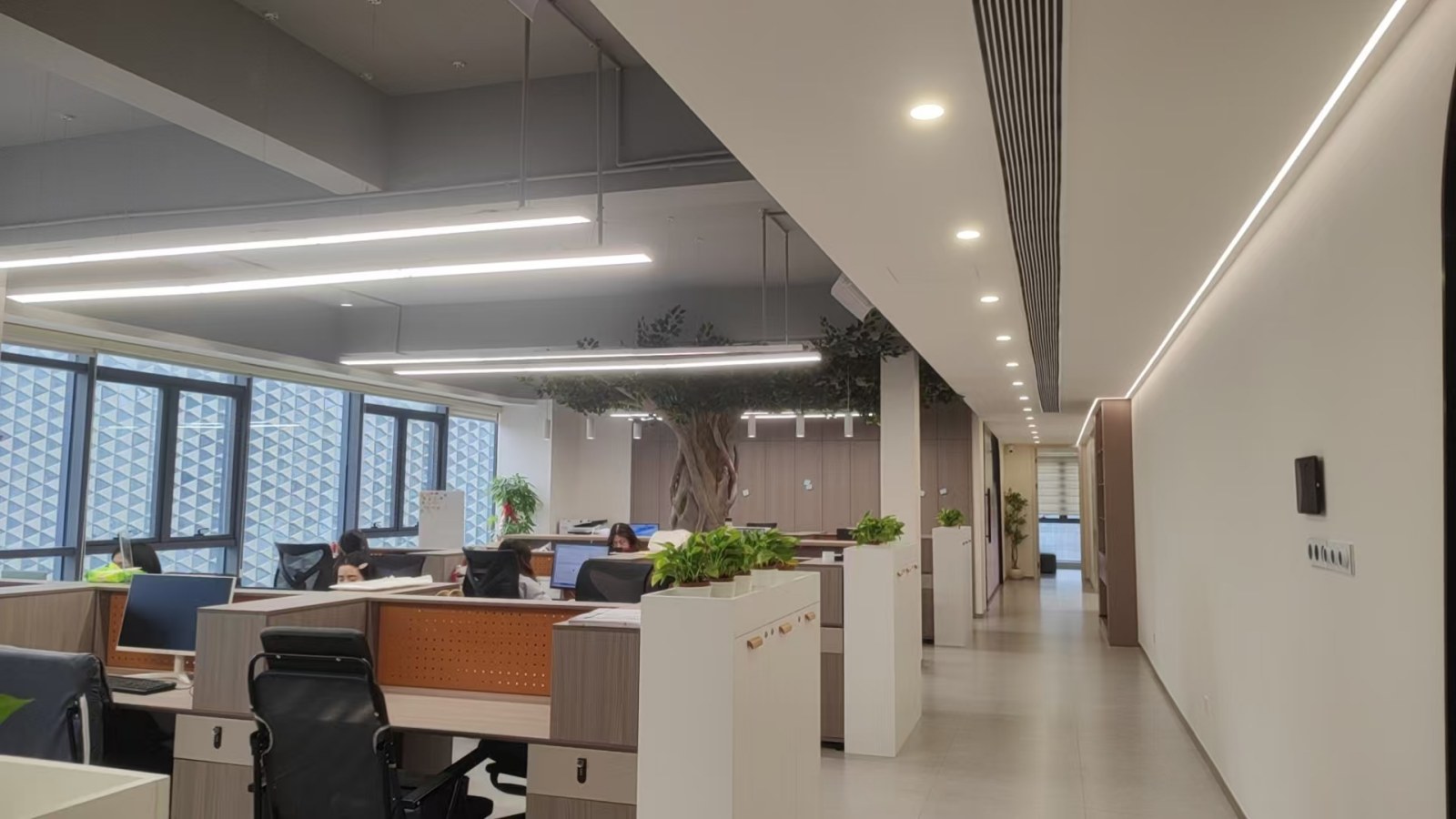
For procurement managers in Cook, DuPage, and Lake Counties, managing hardware reliability while balancing cost structures is a constant challenge. Vorynex Memory Technology (China) Co., Ltd. addresses this with a comprehensive hybrid strategy: high-volume fabrication in our ISO9001-certified factory, combined with local support channels.
Our 320㎡ modern production facility, operating since 2016, runs advanced surface-mount technology (SMT) lines, DIP plug-in soldering arrays, and automated testing rigs. Because we maintain over 1,200 supply chain partnerships, we secure high-grade DRAM chips and specialized High-TG laminates directly from source, shielding our Chicago clients from raw material shortages.
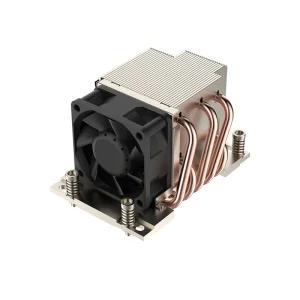
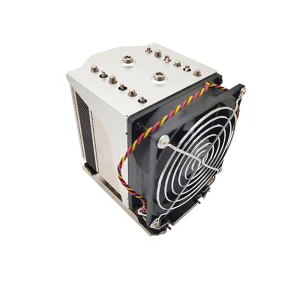
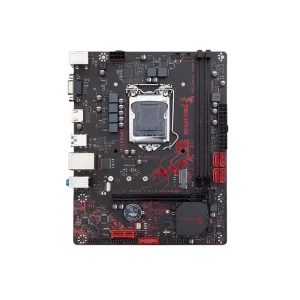
Precision components, heavy-duty motherboards, and heat sinks designed to handle thermal dissipation in dense processing environments.
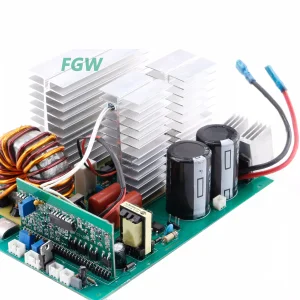
Providing OEM/ODM memory modules and high-stability PCBA for critical industrial environments since 2016.
Vorynex Memory Technology (China) Co., Ltd. is a specialized manufacturer and OEM/ODM solution provider specializing in high-performance memory modules and robust circuit board components. Backed by 6 years of export experience and a deep bench of 180 R&D engineers, we focus on delivering high-reliability systems for gaming, industrial control, and enterprise database servers.
To ensure reliability in demanding operations (such as high-temperature environments in Chicago's steelworks or automotive plants), we use a multi-tiered inspection protocol:
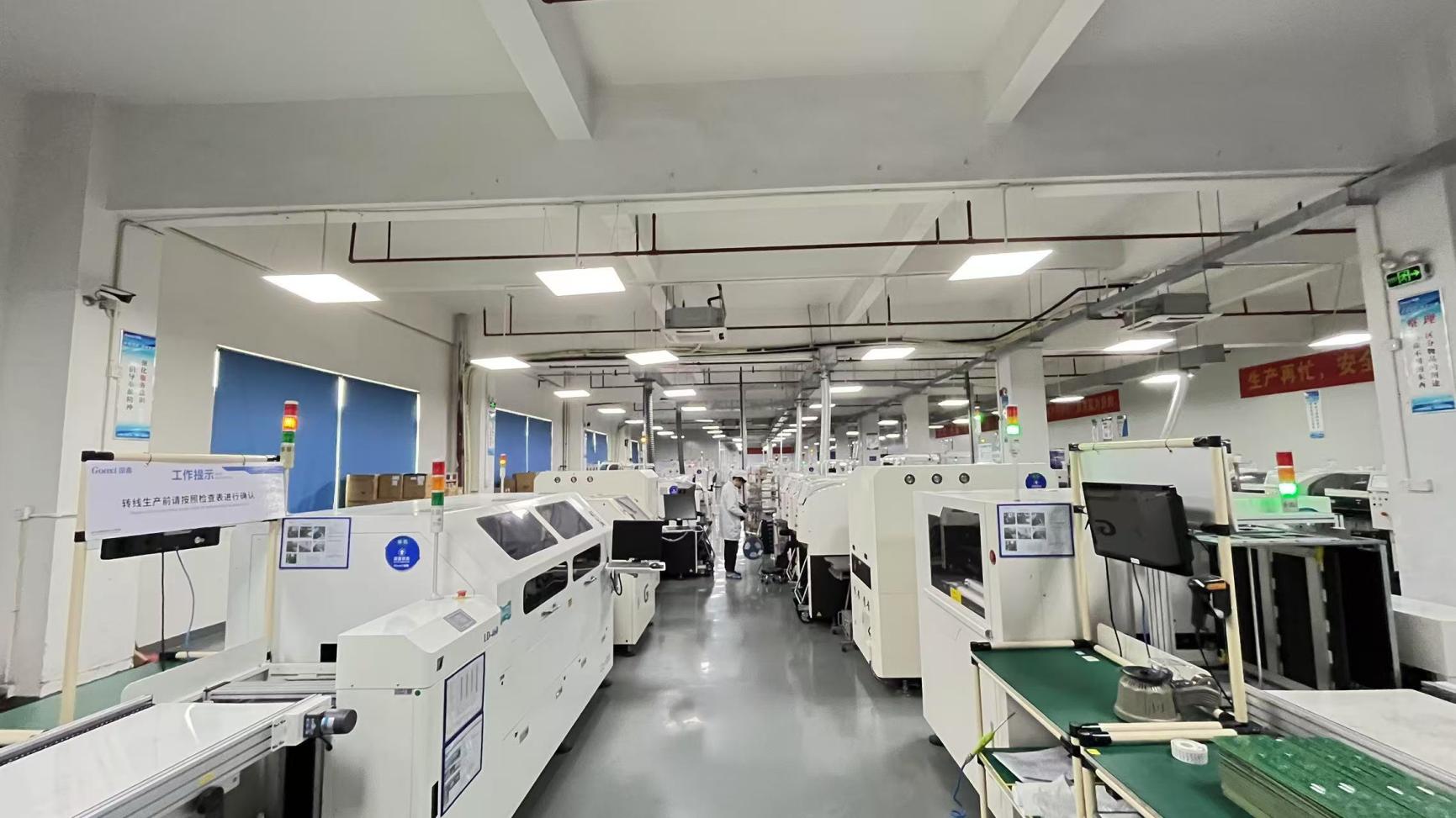
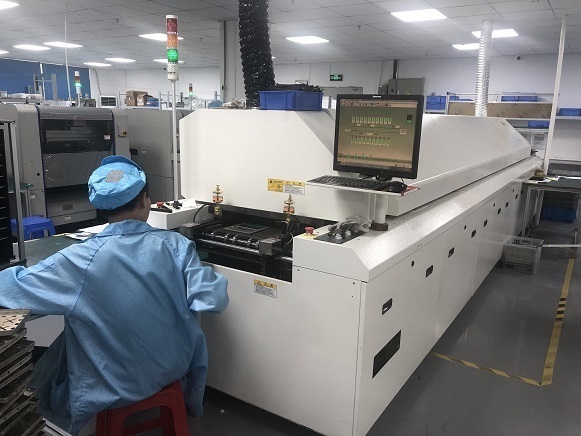
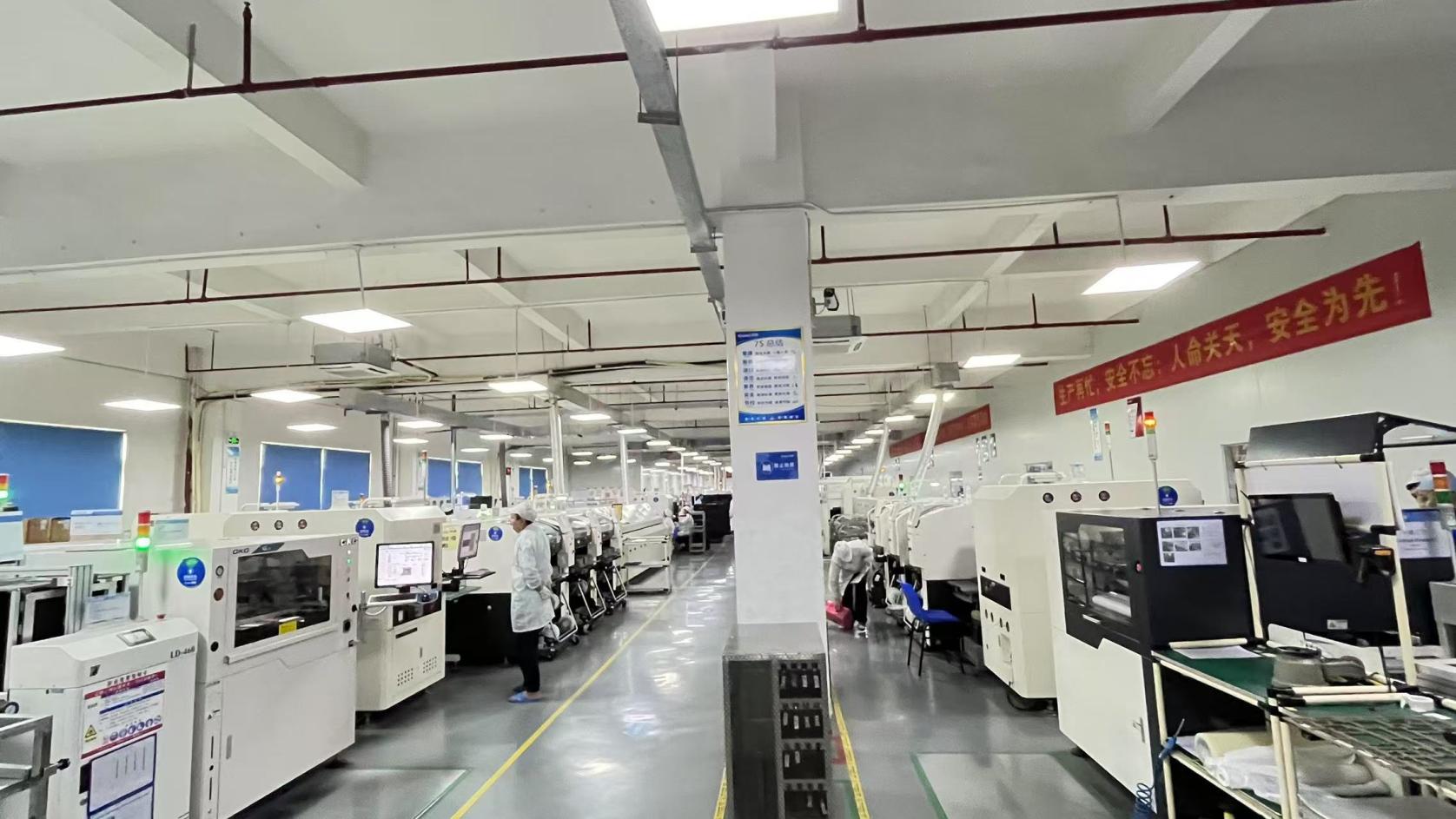
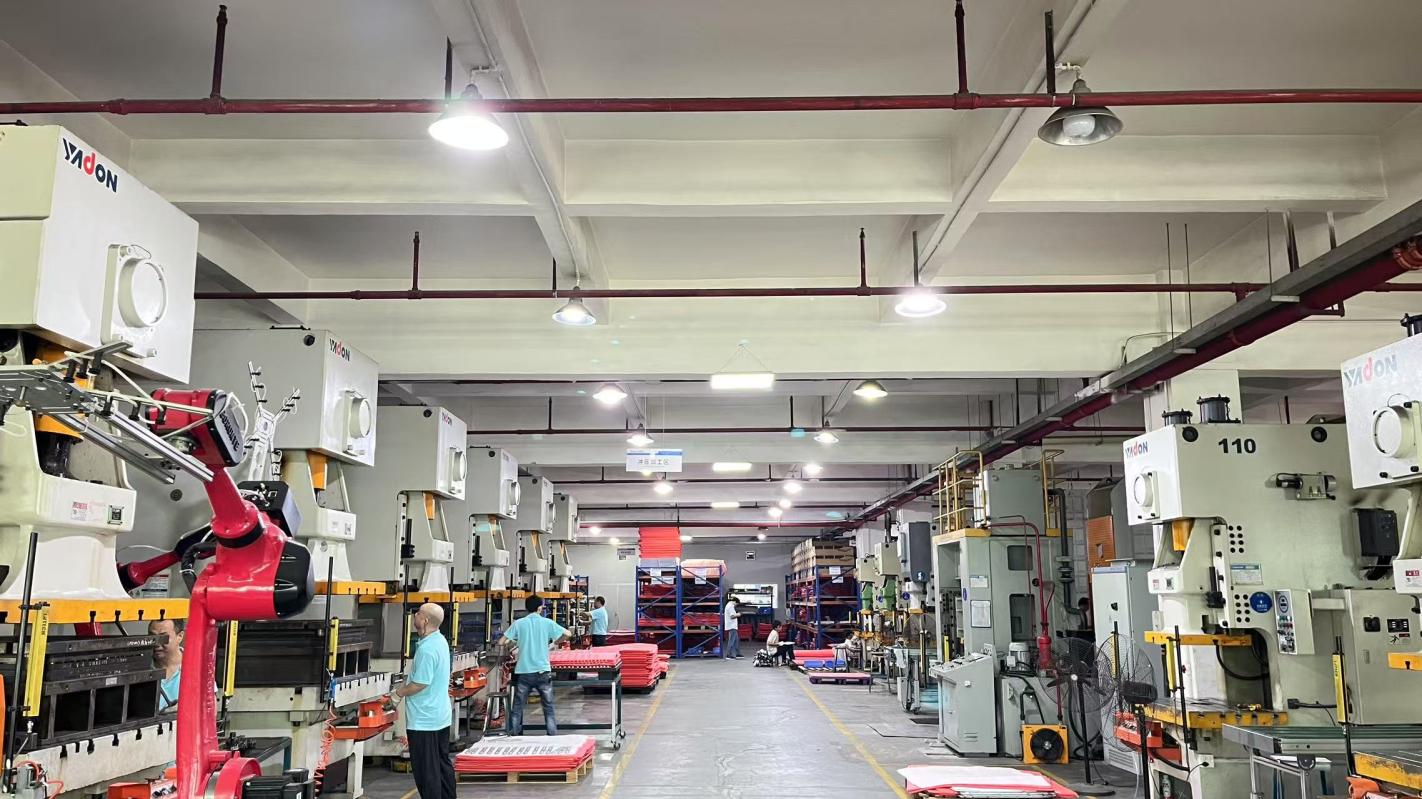
Real-world applications where thermal stability and high-TG materials are required to prevent component failure.
Foundries and automotive assembly facilities in the Chicago-Detroit manufacturing corridor rely on complex SMT and PCBA designs inside terminal interfaces. When exposed to heat and constant vibration, standard solder joints degrade. Our high-TG assemblies maintain flat surfaces and secure bonds under extreme, long-term operational stress.
Suburban Chicago data centers run dense 2U/4U blade systems around the clock. By using high-performance copper-aluminum composite heatsinks and high-temperature server motherboards, operators can reduce cooling overhead, keep thermal thresholds safe, and lower power consumption.
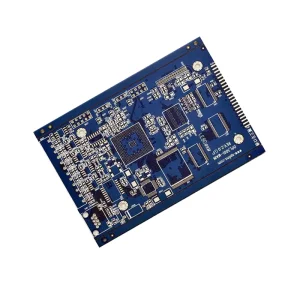
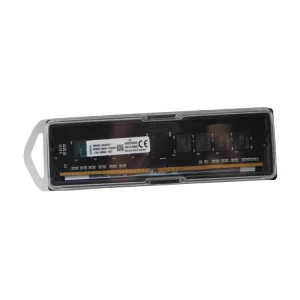
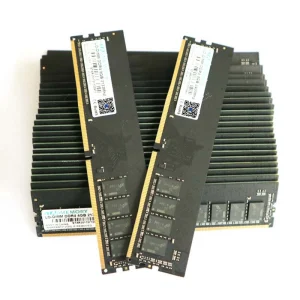
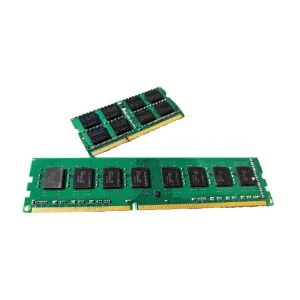
A comprehensive selection of memory modules, high-reliability server boards, and processing components for commercial and industrial use cases.
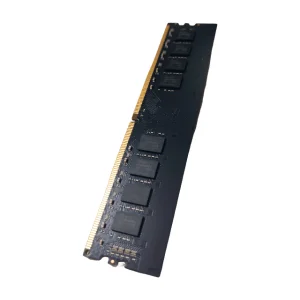
Direct answers to common technical and sourcing questions from our engineering and procurement partners.
Connect with our engineering and procurement team for a detailed quote, design file review, or a technical consultation on your high-TG and high-density memory requirements.
 Vorynex