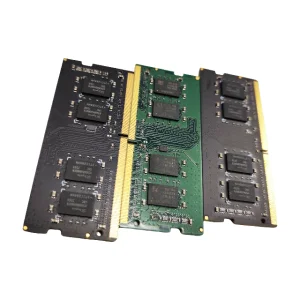
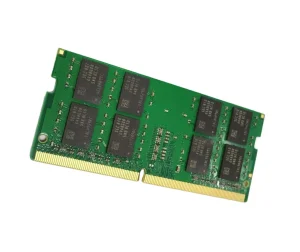
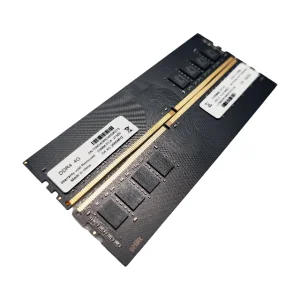
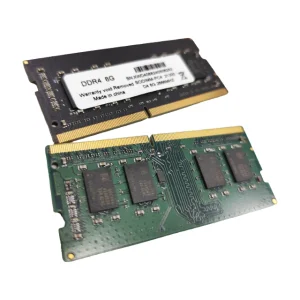
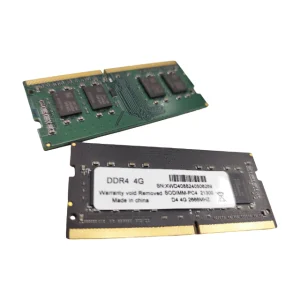
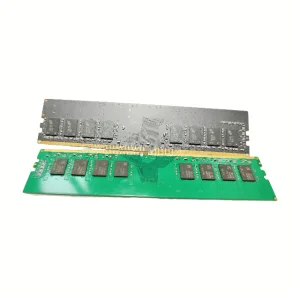
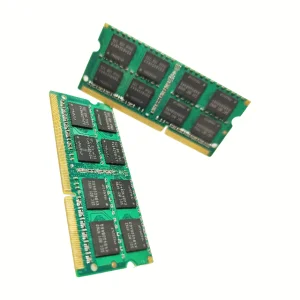
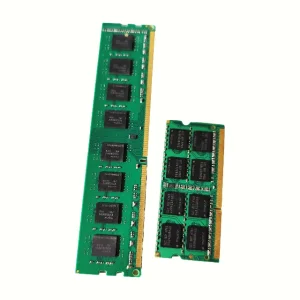
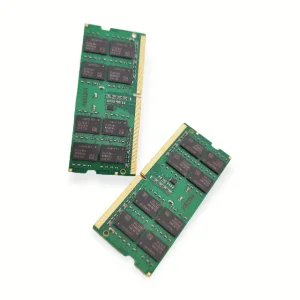
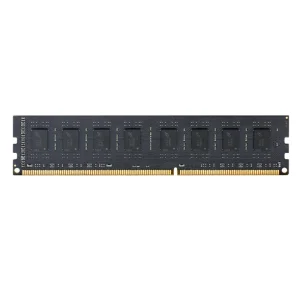
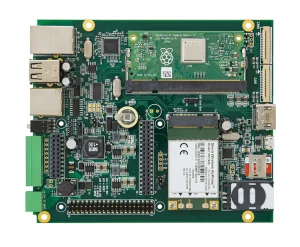
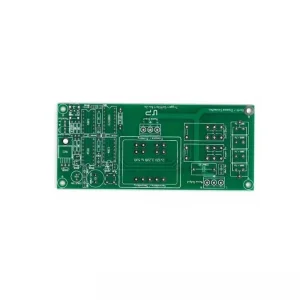
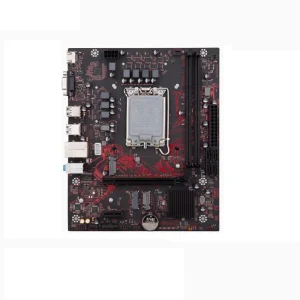
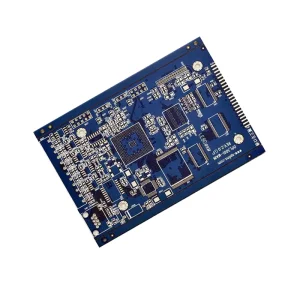
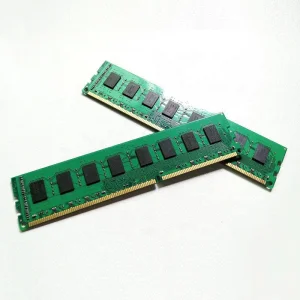
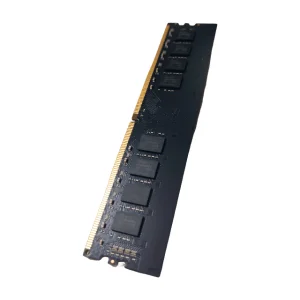
Explore our baseline product matrices including high-performance memory modules, industrial controllers, and multi-layered motherboard PCBs manufactured under strict automotive-grade and high-frequency testing thresholds.
In modern enterprise architectures, the humble HDMI interface has evolved from a consumer media port to a critical hub for high-speed signal distribution. For system integrators, commercial display networks, medical technology OEMs, and automotive infotainment designers, purchasing off-the-shelf patch cables is no longer viable. Attenuation, EMI cross-talk, mechanical degradation, and non-compliance with regional safety protocols can compromise multi-million dollar projects.
Establishing a strategic partnership with a dedicated Custom OEM HDMI cable factory guarantees that physical layer physical configurations (such as custom shielding braids, low-smoke zero-halogen jackets, and customized connector molds) precisely align with physical signal constraints. By understanding variables like attenuation coefficients, impedance tolerances, and differential signal integrity, engineering procurement teams can safeguard their system architectures.
1. Shielding Configurations: Triple-layer shielding utilizing aluminum-mylar foil paired with copper tinned braiding (>85% coverage) to neutralize electromagnetic interference (EMI).
2. Conductor Materials: Oxygen-Free High-Conductivity (OFHC) Copper cores vs. Copper-Clad Steel (CCS) to eliminate signal degradation across extended lengths.
3. Jacket Compounds: CL2/CL3 rated PVC for in-wall applications, or LSZH (Low Smoke Zero Halogen) to satisfy stringent commercial building fire codes.
The transition from legacy HDMI 1.4 architectures to Ultra High Speed HDMI 2.1b has vastly complexified physical manufacturing specifications. As bandwidth limits scale from 10.2 Gbps to a massive 48 Gbps, structural inconsistencies down to the micrometer level can completely break signal transmission.
HDMI 2.1b requires support for 4K@120Hz and 8K@60Hz video profiles. This demands strict impedance matching of 100Ω (±10Ω) along the differential pairs, preventing signal reflections and jitter.
For runs exceeding 10 meters, traditional copper suffers severe attenuation. Active Optical Cables (AOC) integrate low-power optical transceivers inside the connector shells, enabling lossless transmission up to 100 meters.
Modern custom assemblies must route Enhanced Audio Return Channel (eARC) signals with specialized shielding to prevent video signal cross-talk from corrupting uncompressed Dolby Atmos formats.
The global electronics supply chain is centralized within South China's high-tech industrial belts. When sourcing custom HDMI assemblies, leveraging Chinese industrial ecosystems yields substantial economic and logistical advantages that extend far beyond low labor costs.
From raw copper drawing mills to specialized PVC granulators and mold tooling shops, all key upstream suppliers reside within a 50-kilometer radius in regions like Shenzhen and Dongguan, decreasing prototyping timelines to mere days.
Chinese HDMI factories maintain internal vertical capabilities including automated high-precision soldering rigs, high-frequency physical testing bays (Network Analyzers), and custom double-injection outer mold tooling equipment.
Proximity to container shipping ports in Shenzhen, Guangzhou, and Hong Kong facilitates seamless distribution, offering optimized ocean freight routes, rapid custom clearance channels, and air cargo flexibility.
Procuring custom hardware globally demands rigorous adherence to compliance guidelines to bypass customs bottlenecks and retail blocks:
A major friction point in global B2B procurement is the absence of local engineering support and regulatory coordination. Top-tier manufacturers mitigate this by establishing cross-border engineering teams capable of interpreting localized compliance frameworks.
Whether your project must conform to the EU's CE Directive, the UK's UKCA certification, or the United States' FCC Part 15 subparts, the OEM factory must provide complete test reports, material declaration forms (MDS), and traceable certificate registries. Furthermore, localized documentation, technical drawings (2D CAD and 3D step files), and responsive engineering support channels ensure rapid hardware prototyping and seamless system integration.
Different industries present highly unique physical and electrical stress environments. Specialized custom engineering ensures long-term operational viability across multiple applications:
Surgical monitors and imaging systems require pristine signal path integrity and high electromagnetic immunity. Medical-grade HDMI cables utilize specialized shielding and bio-compatible outer jackets, withstanding autoclave cleaning protocols without signal degradation.
Vehicular cabins subject cable runs to constant vibration, wide thermal fluctuations (-40°C to +85°C), and spatial constraints. Custom automotive HDMI solutions utilize vibration-resistant locking connectors (such as Type E connectors) and high-flex routing structures.
Commercial displays and command centers demand continuous 24/7 video signal distribution across extended distances. Incorporating Active Optical Cables (AOC) with customized plenum-rated jackets ensures absolute reliability and local fire safety compliance.
Our manufacturing footprint is engineered for high-precision electronics and signal transmission hardware assembly. Backed by rigorous testing equipment and modern production methods, we ensure peak reliability from component sourcing through to final shipping.
Established in 2016, Vorynex Memory Technology has developed strong manufacturing and engineering capabilities over the years. With a modern production facility covering approximately 320㎡, Vorynex focuses on delivering stable, high-speed, and energy-efficient memory solutions for gaming, industrial, and enterprise applications. The company achieved an annual export revenue of approximately USD 12 million, supported by 6 years of export experience and over 12 years of industry experience in memory and semiconductor-related fields.
Vorynex maintains strict quality control standards, including 100% functional testing, aging tests, compatibility testing, and high-temperature stress testing. Product inspection methods include automated optical inspection (AOI), in-circuit testing (ICT), and final system-level validation. The quality assurance team consists of approximately 45 professional QC staff ensuring consistent product reliability. Collaborating with more than 1,200 supply chain partners, Vorynex enables stable sourcing of high-quality DRAM chips and key high-speed communication components.
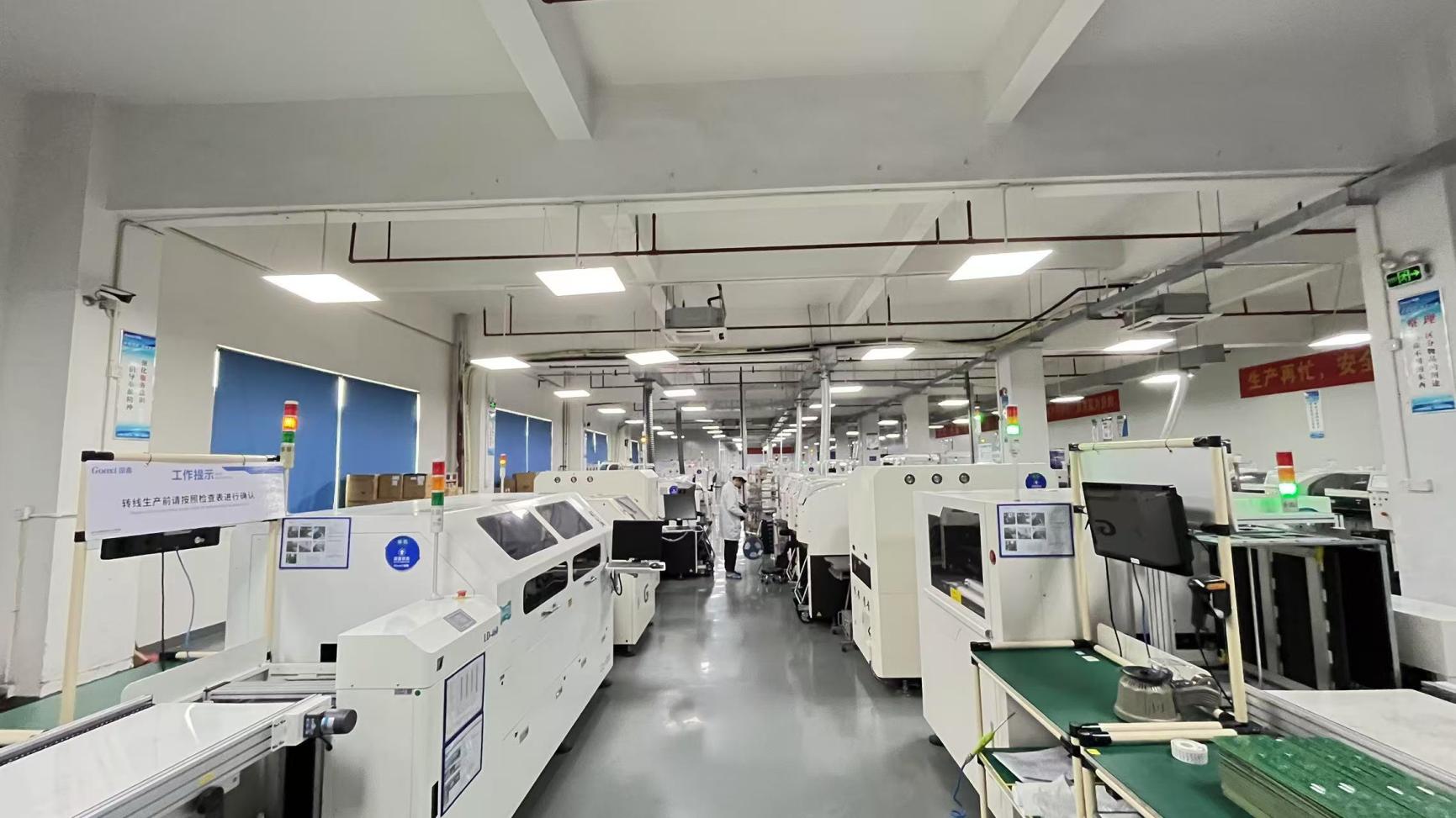
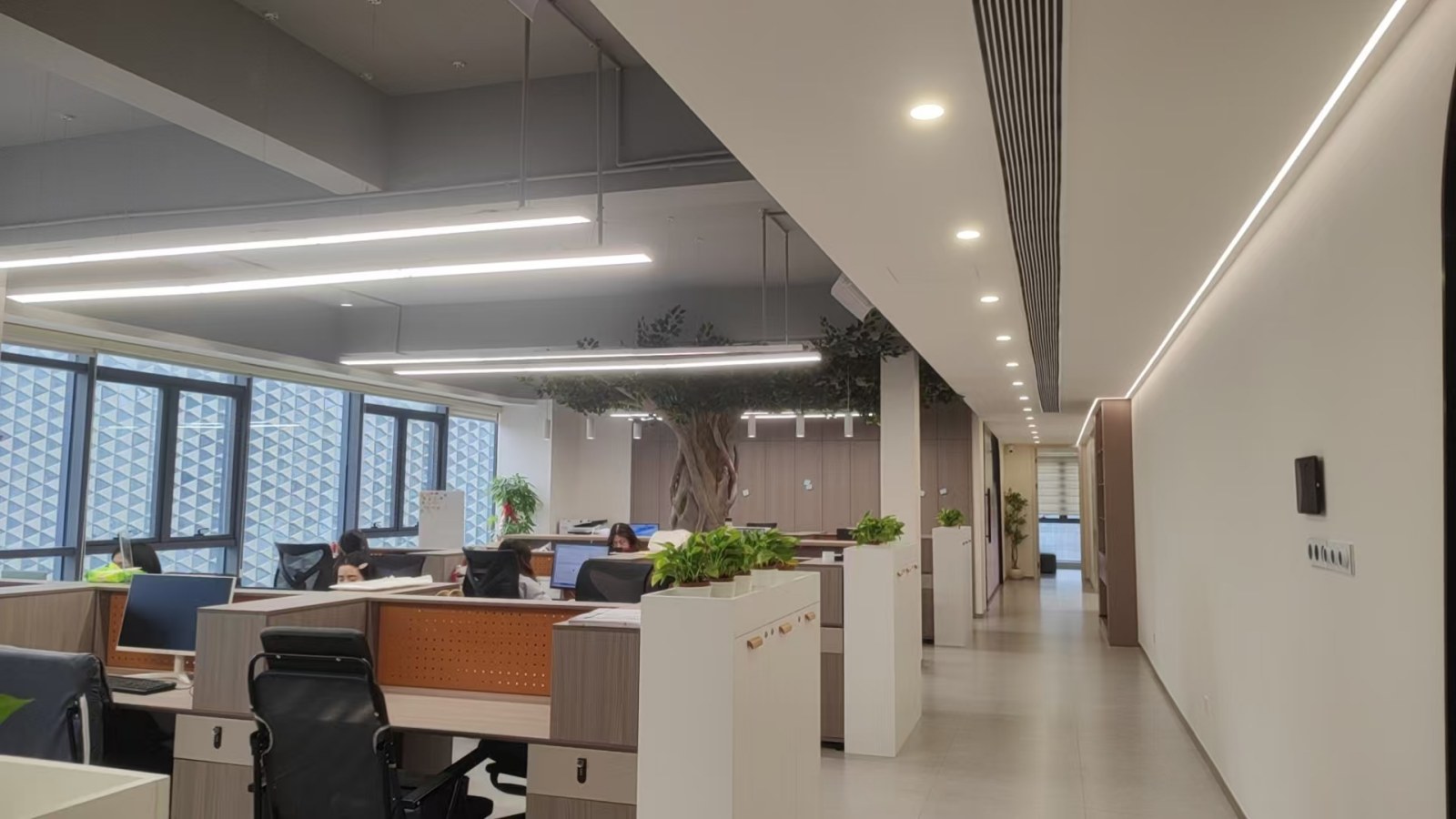
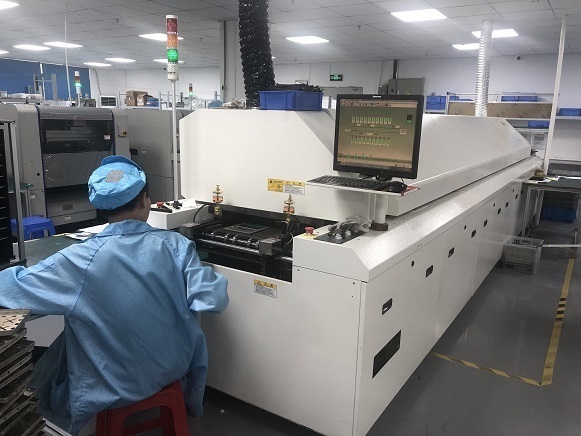
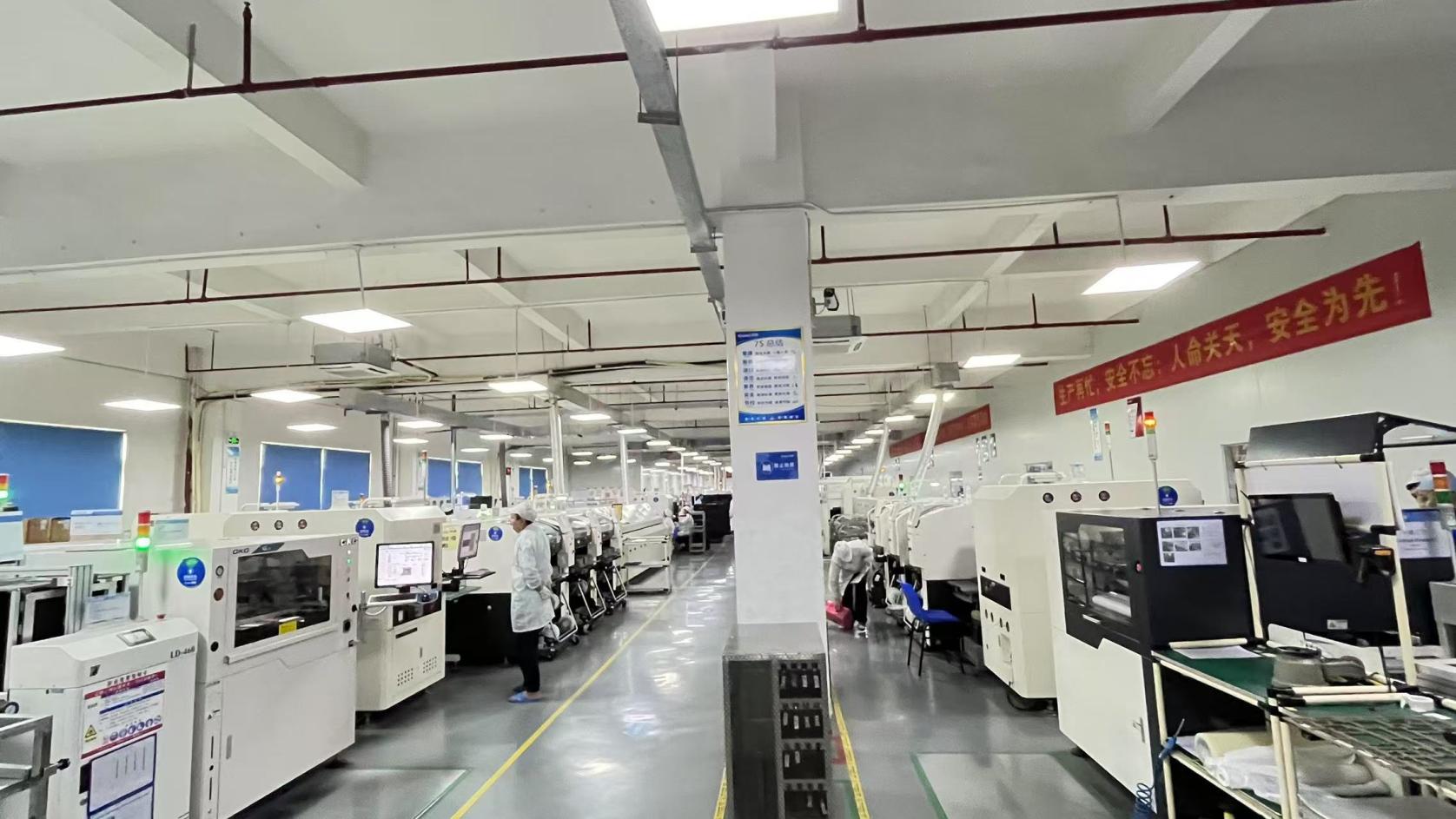
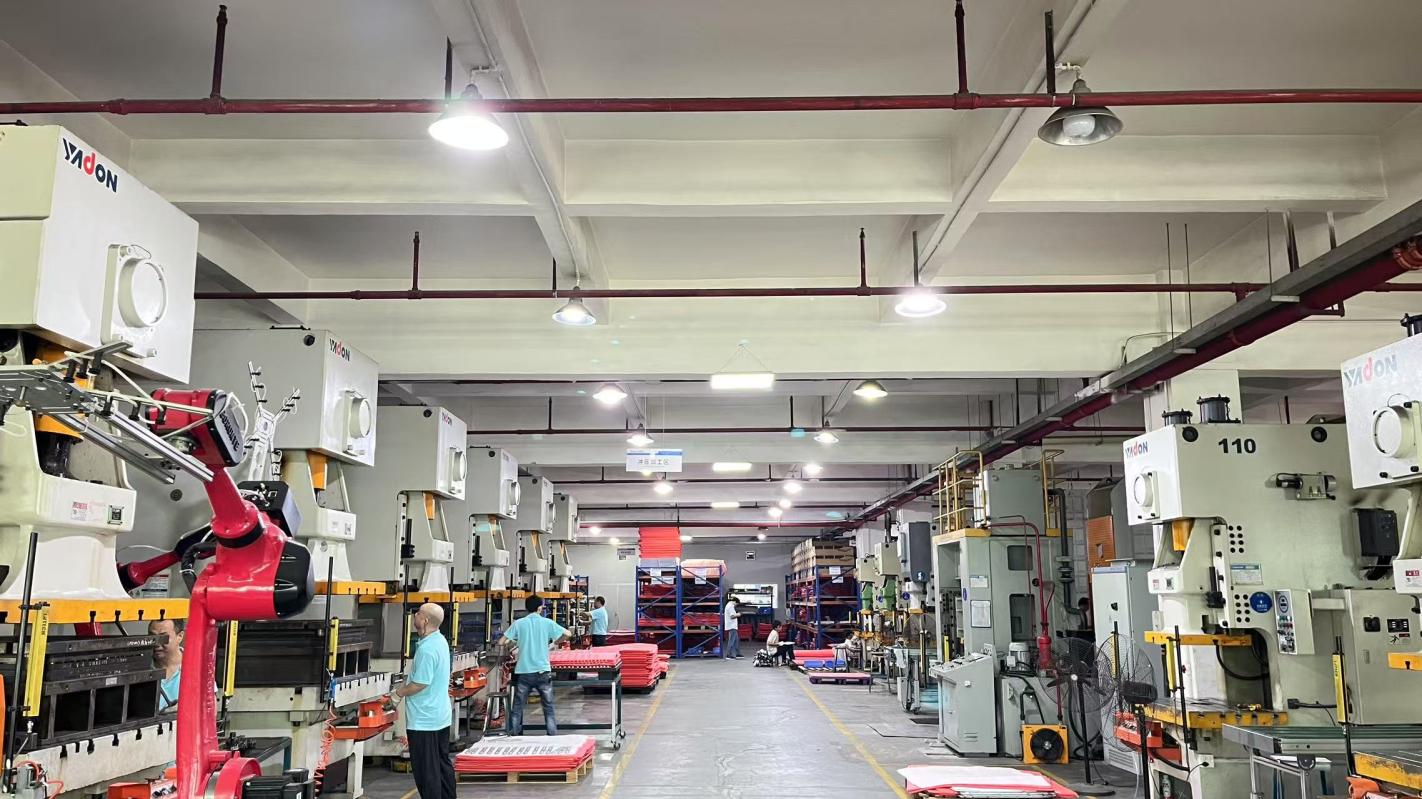
When verifying the capabilities of a potential manufacturing partner, look beyond generic marketing materials. A professional-grade facility must demonstrate standardized testing procedures throughout the production cycle.
Quality assurance starts at raw material inspection (IQC), checking copper purity, shielding density, and terminal plating thickness. In-process QC (IPQC) tracks automated soldering quality, connector strain relief molding, and structural parameters. The final verification stage (FQC) requires specialized signal analyzer equipment to confirm true compliance with targeted HDMI specs.
Find direct answers to common engineering, logistical, and commercial inquiries from global procurement teams:
In addition to signal interconnect cables, our facilities handle specialized PCBA processing, server modules, and high-density DRAM packaging, guaranteeing quality control across the physical layer.
 Vorynex