As computational density surges and silicon geometry shrinks, managing heat has transitioned from a structural consideration to a critical performance bottleneck. Modern heat sinks represent highly engineered thermodynamic platforms essential for maintaining system stability.
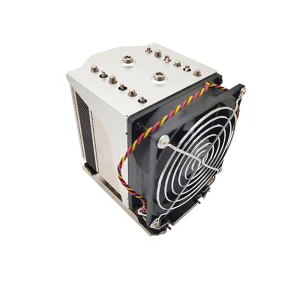
Next-generation server architectures housing multi-core processors, such as AMD SP6 and Intel LGA4189, generate massive heat loads (often exceeding 350W TDP). Achieving thermal equilibrium requires customized heatsinks integrating advanced vapor chambers, copper heat pipes, and optimized high-density fin matrices.
Electric vehicle (EV) drivetrains, IGBT modules, and fast-charging infrastructures utilize cold-forged and skived-fin copper heatsinks. Efficient thermal transfer ensures safety, prevents thermal runaway, and extends system lifetimes.
Remote radio units (RRUs) and telecom base stations are exposed to harsh outdoor environments. Die-cast aluminum and heat-pipe integrated solutions are engineered to withstand environmental extremes while offering natural convection cooling.
China's dominance in the global heat sink supply chain is built on vertical integration, precision manufacturing, and rapid prototyping capabilities.
Chinese manufacturers offer advanced production capabilities that minimize thermal resistance and maximize power density. By integrating stages from raw material sourcing (high-purity AL6063 and oxygen-free copper) to CNC machining, skiving, extrusion, and surface treatment (anodizing, nickel plating), production cycles are highly optimized.
Advanced Production Technologies:
Modern hardware components require specialized thermal profiles. Standard solutions often fail to meet the performance and space constraints of complex electronics.
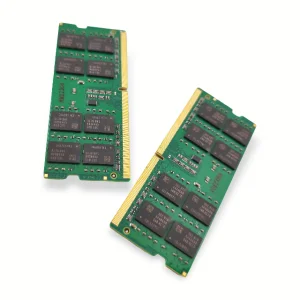
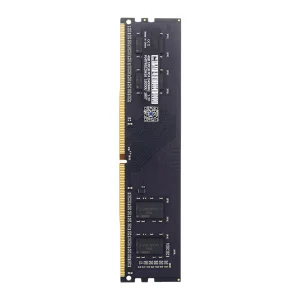
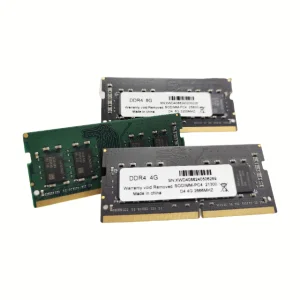
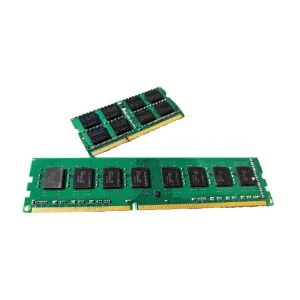
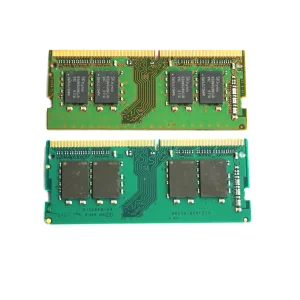
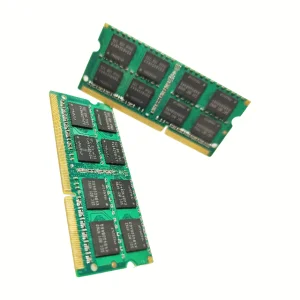
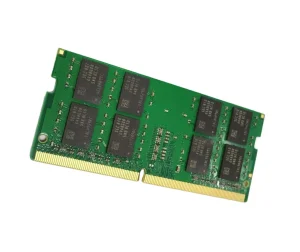
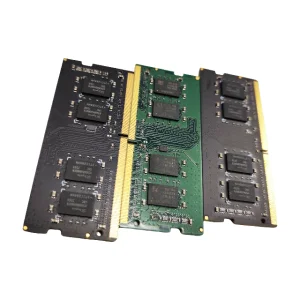
High-performance computing (HPC) memory, particularly DDR5 operating at speeds above 5600MHz, faces increased heat output due to on-module power management ICs (PMICs). Standard DDR4 memory heatsinks utilize stamped aluminum spreaders. Next-generation DDR5 ECC modules require customized, thin-profile copper and composite spreaders with advanced thermal interface materials (TIM) to prevent thermal throttling and ensure data integrity.
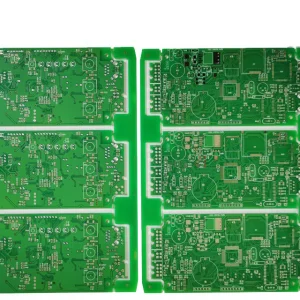
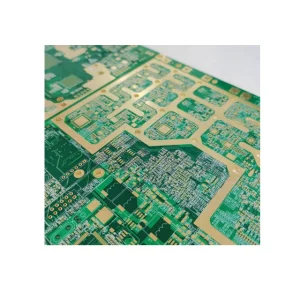
High-frequency RF circuit boards, such as those made from Rogers 4000 series or high TG170 Shengyi FR4, require careful thermal planning. High-power amplifiers and RF chips create localized hot spots. Integrating heavy copper cores, thermal vias, and back-mounted machined heat sinks provides low thermal resistance pathways to keep components within safe temperature limits.
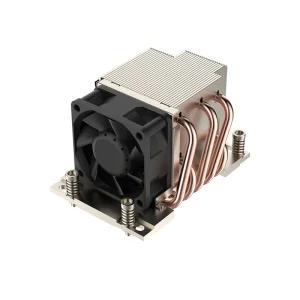
2U/4U servers equipped with AMD SP6 or Intel LGA4189 sockets operate under intense thermal stress. Our AMD SP6 2U server cooler and LGA4189-N96 heatsinks utilize high-performance heat pipes reflow-soldered to stacked aluminum fin structures, designed to manage up to 350W of power while maintaining clean, predictable airflow pathways within rack chassis.
Innovation in thermal management is focused on finding new materials and techniques to handle high power densities.
Air cooling is approaching its physical limits for high TDP processors. Hybrid systems combining copper vapor chambers with direct-to-chip liquid cooling plates are becoming the standard in modern enterprise data centers.
Developing lightweight composites with high thermal conductivity, such as graphite-metal matrices and silicon carbide (SiC), is crucial for weight-sensitive aerospace and automotive EV applications.
Integrating sensors and smart control mechanisms directly into the heatsink assembly enables real-time airflow and cooling adjustments based on system workloads.
Established in 2016, Vorynex Memory Technology is a leading DDR5 memory manufacturer, OEM/ODM solution provider, and electronics engineering partner for global markets. We design and build high-performance memory modules and thermal management systems for enterprise applications.
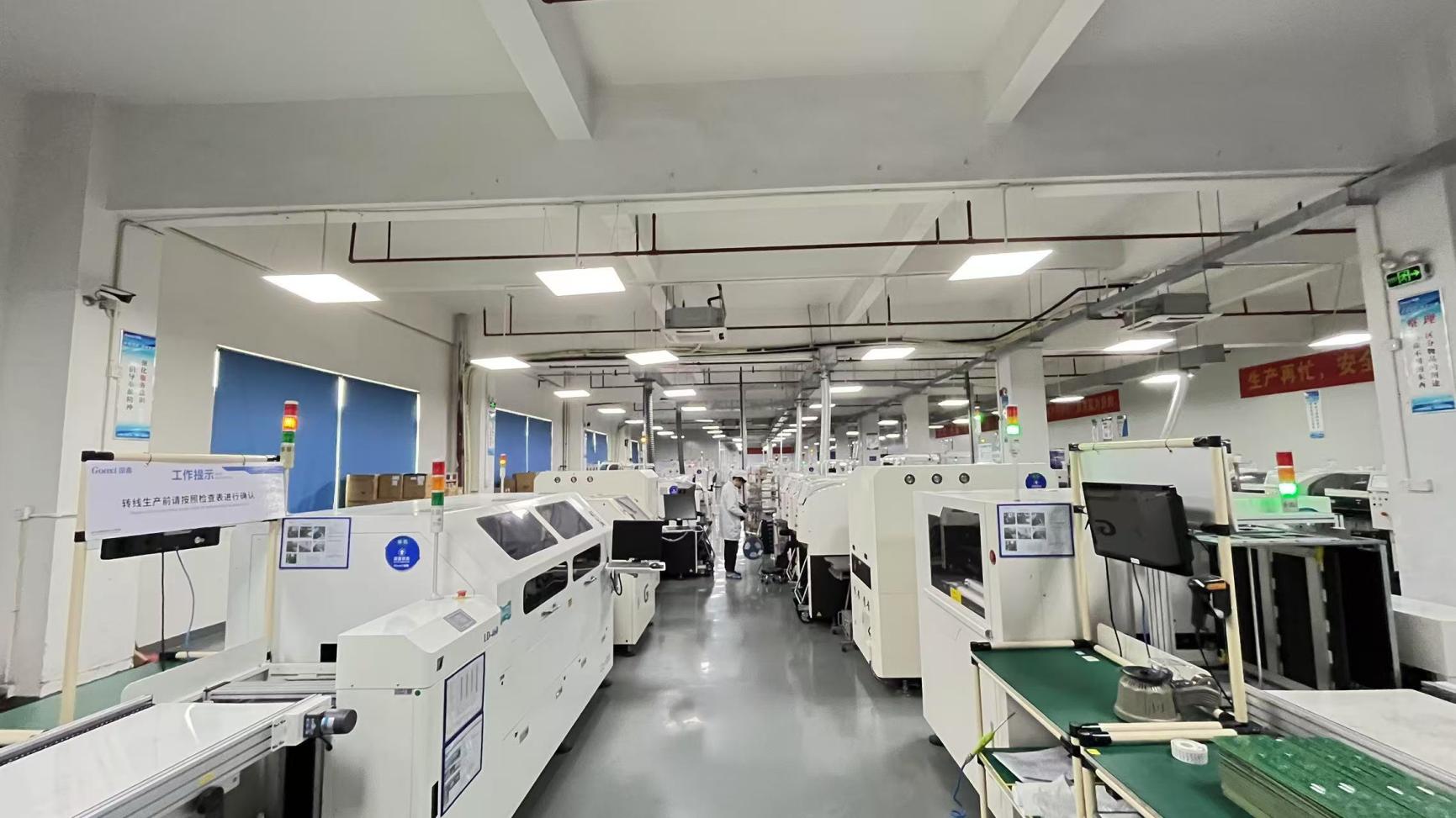
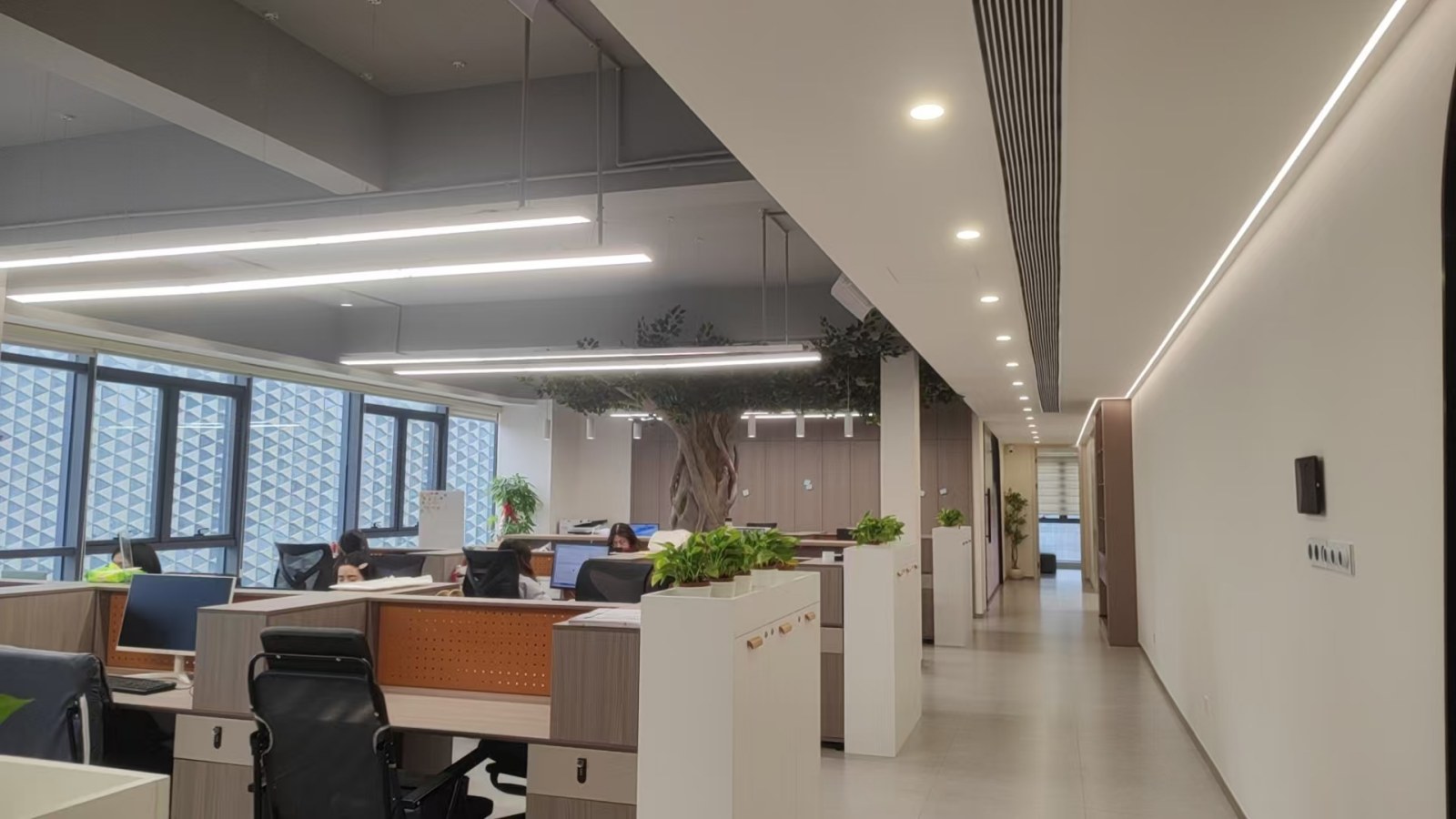
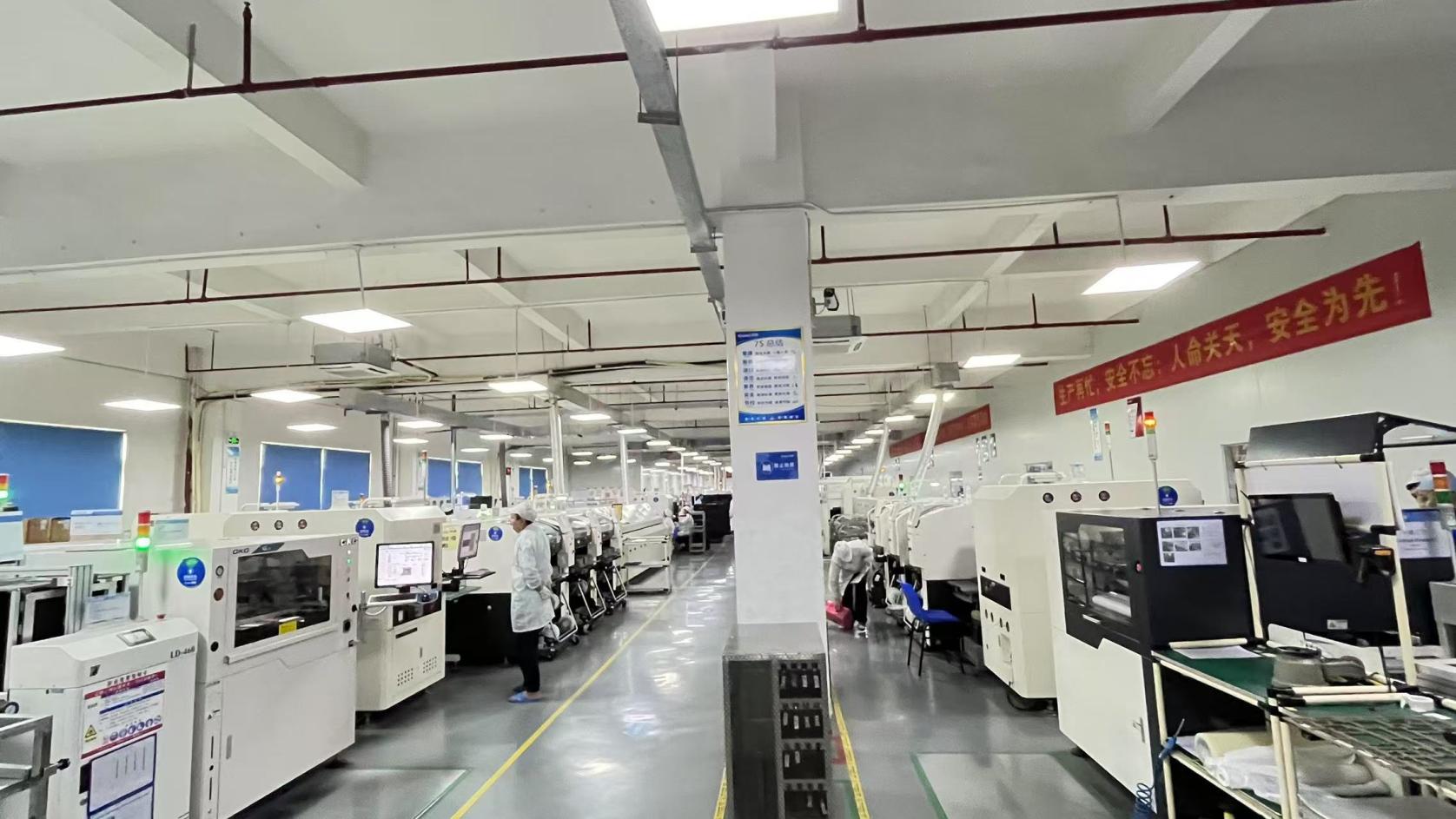
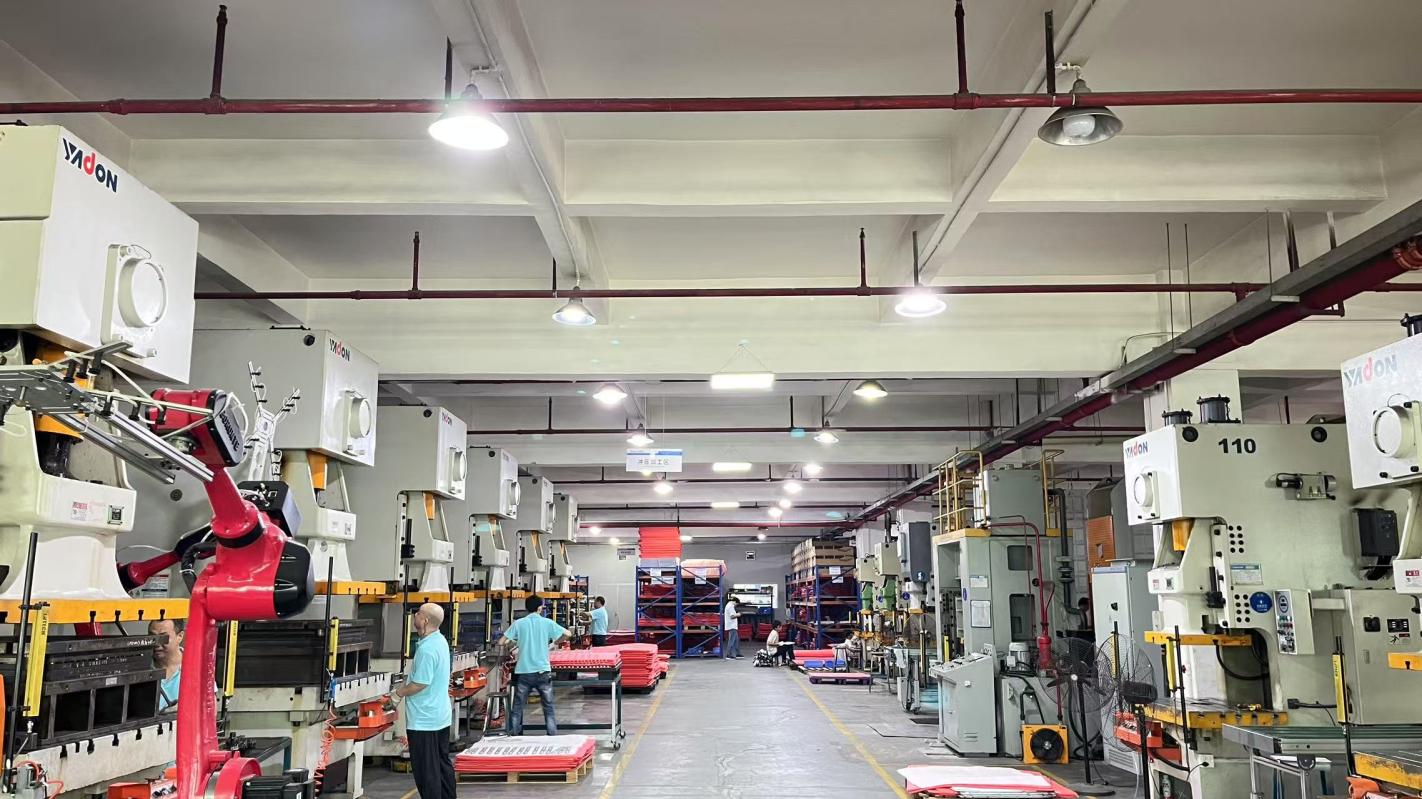
Operating a modern 320㎡ facility, we support global tech brands with high-quality, energy-efficient solutions for gaming, computing, and industrial applications. Our annual export revenue has reached approximately USD 12 million, backed by over 12 years of industry experience.
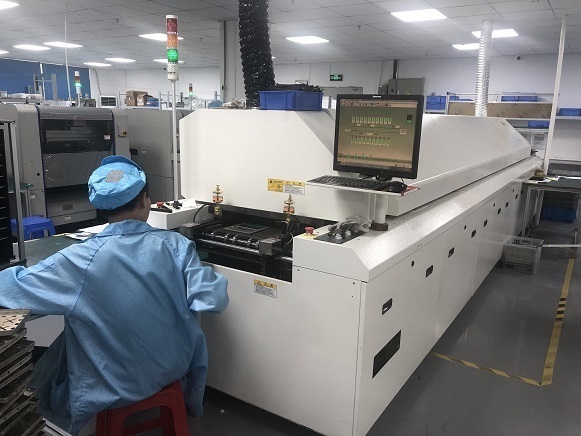
Our quality control processes include 100% functional testing, aging tests, compatibility testing, and high-temperature stress testing. We employ automated optical inspection (AOI), in-circuit testing (ICT), and system-level validation, managed by a dedicated 45-person QC team.
Supported by a team of 180 R&D engineers, we offer customization services including frequency tuning, PCB design, custom heatsink profiles, private label branding, and firmware optimization. Last year, we introduced approximately 240 new models to our product catalog.
 Vorynex