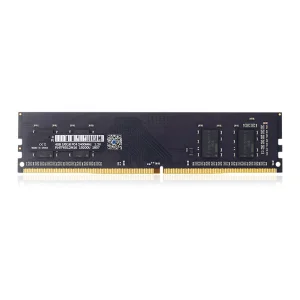
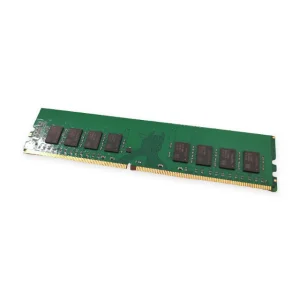
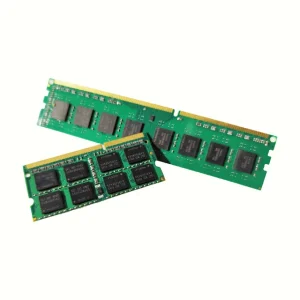
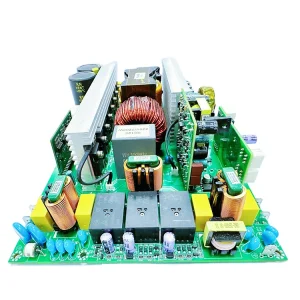
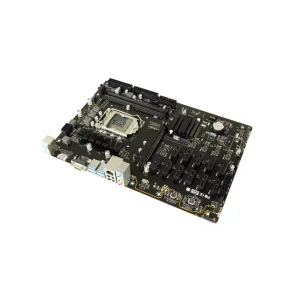
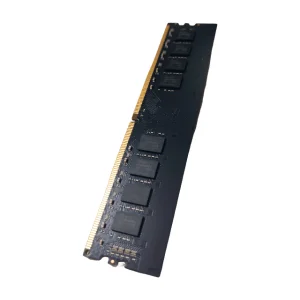
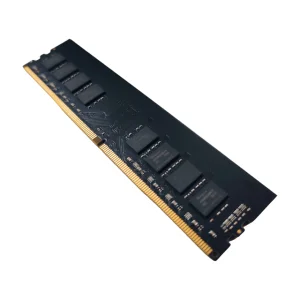
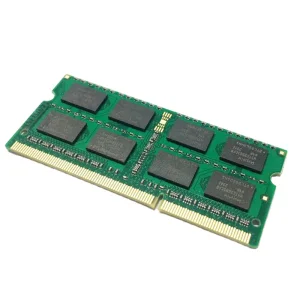
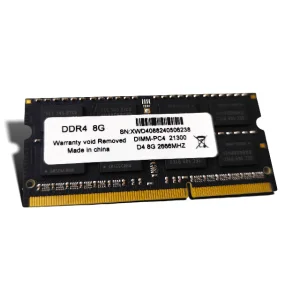
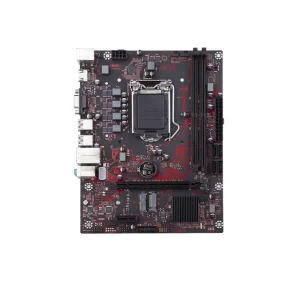
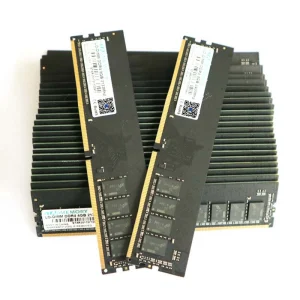
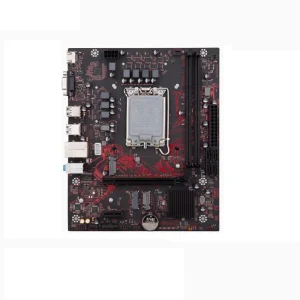
Industrial components built with strict quality controls to ensure high compatibility and robust performance across critical computing systems.
An in-depth analysis of high-reliability flash controllers, NAND optimization, and compliance architecture in industrial data management.
In modern industrial and enterprise ecosystems, USB flash drives have transcended their legacy role as simple consumer file-transfer tools. Today, they serve as crucial boot media, backup repositories, hardware keys, and data-logging instruments in highly automated environments. The rise of Edge Computing, industrial IoT (IIoT), and embedded systems demands flash drives that can withstand continuous operational stress under wide temperature ranges.
Furthermore, critical industries require storage media that guarantees data integrity over extended cycles. Enterprises rely heavily on high-speed USB 3.0, USB 3.2 Gen 1, and Gen 2 architectures to minimize latency and ensure rapid operational deployment. As flash memory continues to integrate deeply into manufacturing terminals, medical devices, and telecommunication switches, selecting a certified, high-standard supplier becomes a vital risk-management protocol.
"NAND flash optimization is no longer just about storage capacity. For modern enterprise deployments, data security, structural compliance, thermal regulation, and structural wear-leveling algorithms dictate the actual operational lifecycle."
Technological trends indicate a significant push toward utilizing high-grade NAND components. Enterprise buyers prioritize 3D TLC or MLC flash configurations integrated with advanced error-correction code (ECC) controllers to avoid silent data corruption. These structural components form the bedrock of premium storage hardware designed to manage persistent read/write demands.
Understanding the essential quality benchmarks for electromagnetic safety, material safety, and performance validation in global trade.
CE certified USB flash drives strictly comply with the EU EMC Directive (2014/30/EU). This ensures the device does not emit electromagnetic interference (EMI) that disrupts nearby medical, aerospace, or industrial equipment, and is immune to external electrostatic discharges (ESD).
Compliance with RoHS 3 (Directive 2011/65/EU & Amendment 2015/863) limits the use of hazardous substances like lead, cadmium, and mercury. This environmental standard is key to entering European markets and aligns with green enterprise procurement directives.
CE marking acts as a gateway for global standard alignment. Certified storage controllers and assemblies guarantee uniform operation under voltage fluctuations, protecting sensitive terminal system ports from short circuits.
Importing uncertified USB storage media presents significant operational and legal risks to enterprise distributors. Non-compliant hardware can cause catastrophic system crashes, destroy host motherboard controllers, or trigger device-level overheating due to unstable power regulation. Furthermore, customs seizures and regulatory fines in the European Union or North America can halt distribution channels, causing substantial financial losses. Purchasing CE-certified USB flash drives ensures your storage hardware is safe, stable, and legally cleared for global sale.
Leveraging high-speed SMT infrastructure, strict chip sorting, and massive vertical integration for global cost leadership.
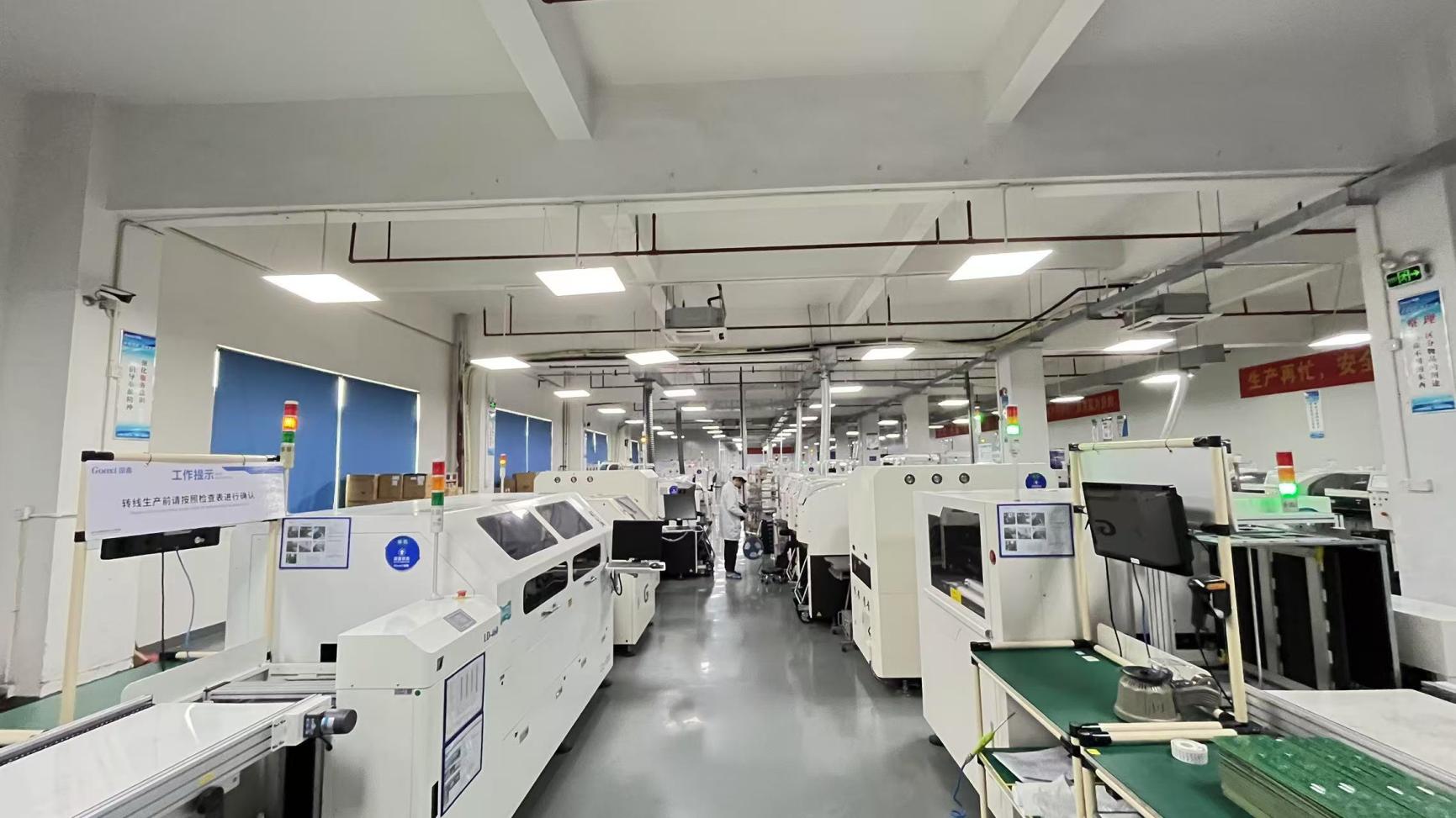
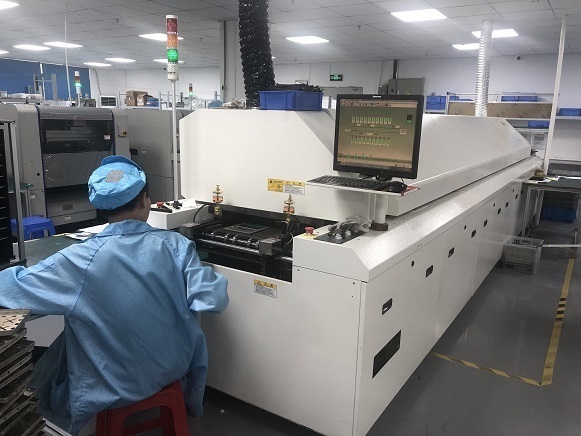
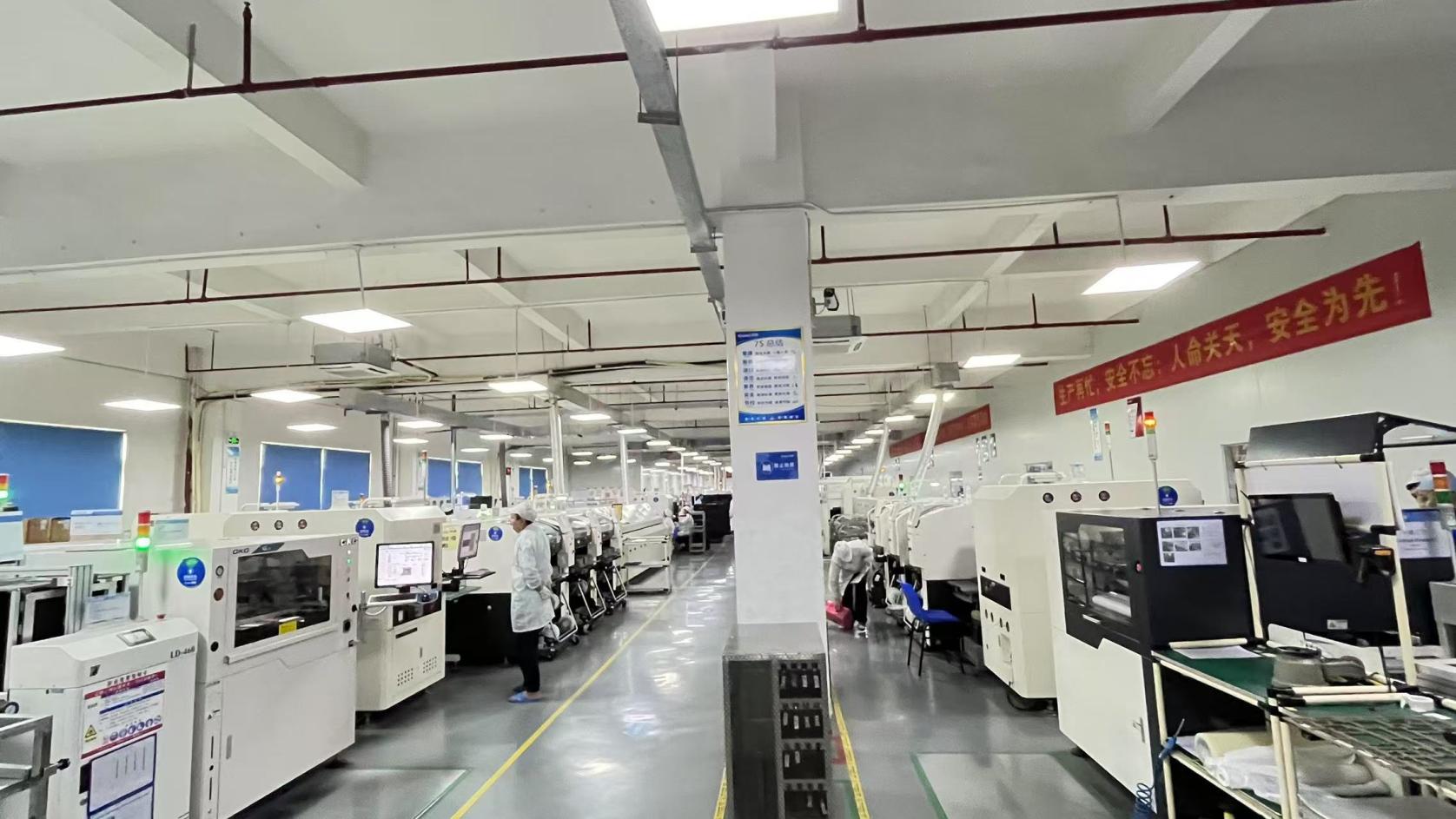
China's dominance in the memory and semiconductor assembly sector is built on advanced manufacturing clusters. Regions like Shenzhen and Dongguan provide unmatched vertical integration. From high-speed SMT (Surface Mount Technology) assembly lines to raw silicon packaging and controller firming, the entire supply chain is colocated within a 50-kilometer radius. This proximity reduces transit times, speeds up prototype development, and allows rapid production scaling.
Working directly with an established Chinese factory like Vorynex Memory Technology gives global procurement managers access to economies of scale. Direct sourcing eliminates intermediary markups and enables custom component level configurations. This flexibility allows businesses to select specific controller-NAND combinations based on their target performance and cost requirements.
In addition, advanced testing facilities optimize raw wafer selection. Automated Optical Inspection (AOI), X-ray component validation, and comprehensive high-temperature burn-in tests ensure only qualified memory dies go into production. This level of quality control is essential for maintaining high yield rates and consistent performance across large orders.
Factory Integration: Modern production facilities run on highly automated assembly frameworks, utilizing SMT placement machines that position components with micrometer precision to minimize assembly failures.
How specialized fields utilize certified USB flash drives to achieve operational safety and data integrity.
In-vehicle entertainment, telemetry logging, and GPS navigation systems require reliable storage that can withstand severe vibration and wide temperature swings. CE certified flash drives built with SLC or industrial TLC memory cores prevent write corruption during sudden power losses, ensuring consistent performance in automotive environments.
Modern medical devices, like diagnostic ultrasound machines and patient monitors, rely on embedded flash drives to store boot sequences and record patient telemetry. These systems require USB storage that meets strict EMC standards to prevent interference with sensitive life-support systems.
Programmable Logic Controllers (PLCs), human-machine interfaces (HMIs), and edge computers rely on solid-state flash media for continuous data logging in harsh environments. Dust-resistant, water-resistant, and high-endurance components ensure uninterrupted uptime on factory floors.
In global data centers, USB devices are frequently utilized as hypervisor boot drives or physical encryption key holders. These roles require high write-endurance, error-correcting code (ECC), and wear-leveling algorithms. Enterprise IT teams deploy custom-configured flash drives to maintain secure, stable boot systems.
Financial and governmental institutions use custom-branded, read-only USB drives with partition locks to securely distribute proprietary software, firmware updates, and sensitive documentation. This setup prevents malware injection and blocks unauthorized data modifications, protecting end-user systems.
From custom controller firmware modifications to high-speed interfaces, explore what defines the next generation of industrial USB devices.
Modern flash storage relies heavily on controller firmware optimization. Specialized applications require customized VID/PID configurations, hardcoded read-only partitions, write-protection toggles, and integrated security encryption. Industrial developers work directly with factory engineers to adjust internal wear-leveling schedules, optimize garbage collection routines, and tune bad block management algorithms to extend the device's operational lifespan.
The consumer and industrial sectors are rapidly transitioning toward USB Type-C connections. Future-ready procurement strategies focus on dual-connector designs (USB-A and USB-C) or native USB 3.2 Gen 2 Type-C flash drives. These interfaces support data transfer speeds up to 10Gbps, enabling faster file transfers and improving system performance across modern hardware platforms.
A premier global DDR5, DDR4, and semiconductor storage manufacturer supplying high-performance memory modules and customized OEM/ODM OEM solutions.
Established in 2016, Vorynex Memory Technology (China) Co., Ltd. is a professional manufacturer and OEM/ODM solution provider specializing in high-performance memory modules and semiconductor storage solutions for global markets. Over the years, the company has developed robust engineering and manufacturing capabilities, operating a modern facility focused on delivering stable, high-speed, and energy-efficient memory systems for industrial, gaming, and enterprise hardware deployments.
Vorynex generates an annual export revenue of approximately USD 12 million, backed by 6 years of export experience and over 12 years of industry experience in memory and semiconductor fields. The company collaborates with more than 1,200 supply chain partners, enabling stable sourcing of high-quality DRAM chips and components.
Our quality control process includes 100% functional testing, aging tests, compatibility testing, and high-temperature stress testing. Product inspection methods rely on Automated Optical Inspection (AOI), In-Circuit Testing (ICT), and system-level validation, overseen by 45 professional QC specialists.
Vorynex supports complete hardware customization, including frequency tuning, PCB design customization, heat sink engineering, private-label branding, and firmware optimization. Backed by a team of approximately 180 R&D engineers, we successfully launched around 240 new product models in the past year, covering DDR4, DDR5, and specialized industrial memory solutions.

Crucial information regarding compliance, procurement processes, hardware customization, and industrial flash memory specifications.
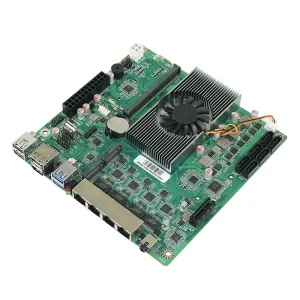
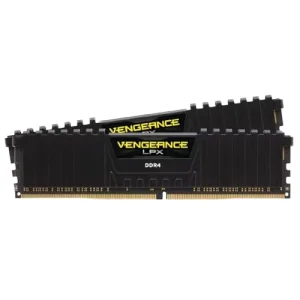
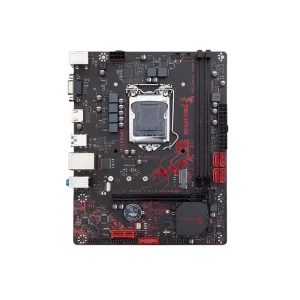
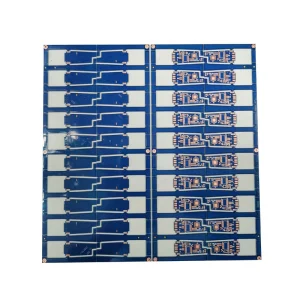
Explore our full line of industrial motherboards, high-frequency RAM kits, and specialized PCB designs engineered for extreme operational stability.
 Vorynex