Optimized heat exchangers and active liquid/copper modules matching Berlin's strict datacenter efficiency criteria.
Berlin has established itself as one of Europe's premier technology nodes. With the continuous expansion of the Berlin-Brandenburg Metropolitan Region as a hub for edge computing, high-performance computing (HPC), and green datacenters, the thermal demands on server architectures have grown exponentially. Unlike older hubs, Berlin’s data infrastructure is heavily defined by strict local environmental regulations, including the German Energy Efficiency Act (Energieeffizienzgesetz - EnEfG), which mandates server facilities target a Power Usage Effectiveness (PUE) close to 1.2 and actively repurpose waste heat.
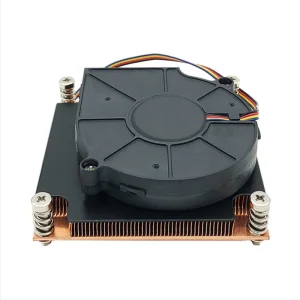
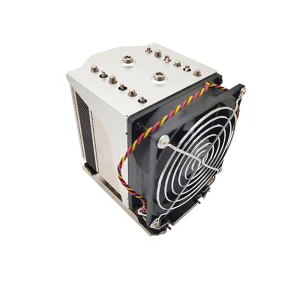
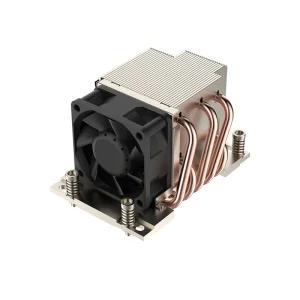
To operate within these micro-parameters, local system integrators and datacenter operators must move beyond legacy air cooling toward highly efficient, customized thermal dissipation mechanisms. Our high-density copper and aluminum radiators are designed to meet these specific thermal envelope requirements, ensuring optimal Heat Transfer Coefficients (HTC) for hardware arrays operating under high duty cycles.
As silicon fabrication shrinks to sub-3nm nodes, transistor density yields unprecedented localized heat flux density at the silicon die level. Passive copper blocks alone are no longer sufficient to mitigate thermal throttling. Our technical roadmap leverages advanced material science and phase-change dynamics to provide sustainable, future-proof thermal management:
Integrating vacuum vapor chambers directly with copper zipper fin stacks to eliminate thermal resistance interfaces, allowing immediate phase-change heat dissipation across larger surface areas.
Transitioning specialized Berlin edge arrays toward water-glycol cold plates designed with micro-channel geometry for high-flow-rate heat extraction directly from multi-chip modules (MCM).
Utilizing precision CNC skiving to construct high-aspect-ratio radiator fins from monolithic copper blocks, delivering zero joint-resistance and maximizing heat transfer density.
Modern cloud datacenters require a holistic thermal management architecture that balances acoustics, power draw, and thermodynamic stability. Our manufacturing process integrates precise mechanical designs tailored for modular, high-density server rack deployments. By focusing on low pressure-drop fin architectures, we ensure that system fans can run at lower RPMs, directly reducing auxiliary power consumption and mitigating physical resonance vibration across server mainboards.
Additionally, our comprehensive capability in designing custom thermal interfaces allows us to supply complete thermal assembly kits—inclusive of phase-change material (PCM) pads, custom-tension mounting brackets, and specialized backplates—optimizing the entire thermal path from silicon substrate to exhaust airflow.
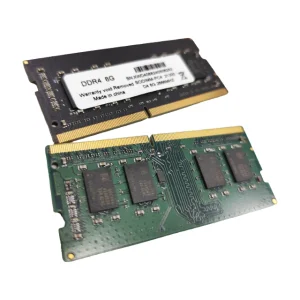
Operating under the corporate umbrella of Vorynex Memory Technology (China) Co., Ltd., we bring to the Berlin market an integrated approach to hardware design. As a specialized technology enterprise established in 2016, our core engineering background in high-speed, high-density memory architectures provides us with a unique systems-level perspective on thermal management. We understand that thermal throttling affects not only the CPU but also nearby DDR4, DDR5, and PCIe bus interfaces.
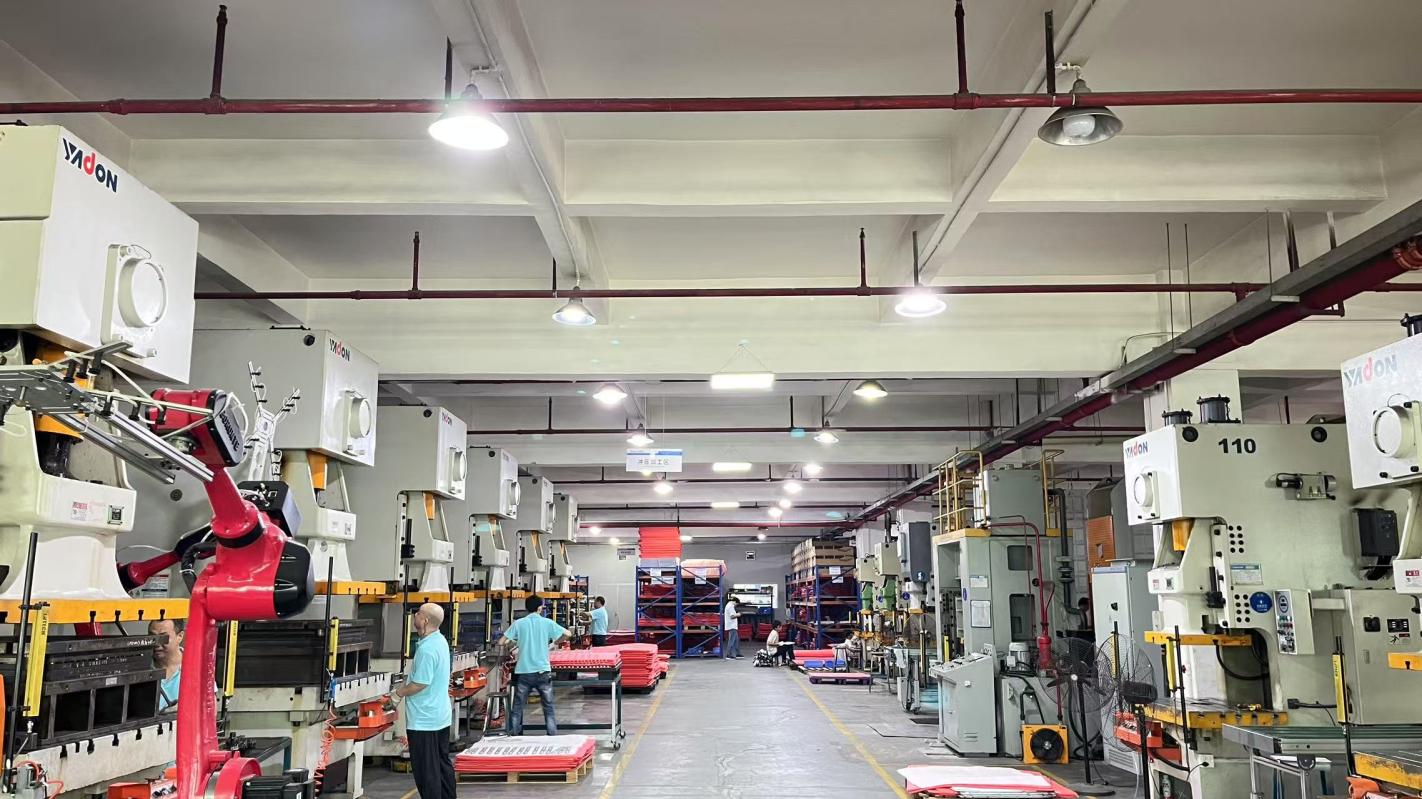
With an annual export volume reaching approximately USD 12 million, supported by 12 years of industry experience, we operate structured production pipelines optimized for global OEM/ODM delivery. Our factory applies deep quality control methodologies to every radiator unit:
Our dedicated quality assurance team, comprising 45 professional QC personnel and an R&D force of 180 engineers, guarantees that every radiator shipped to the Berlin market is fully certified and physically reliable.
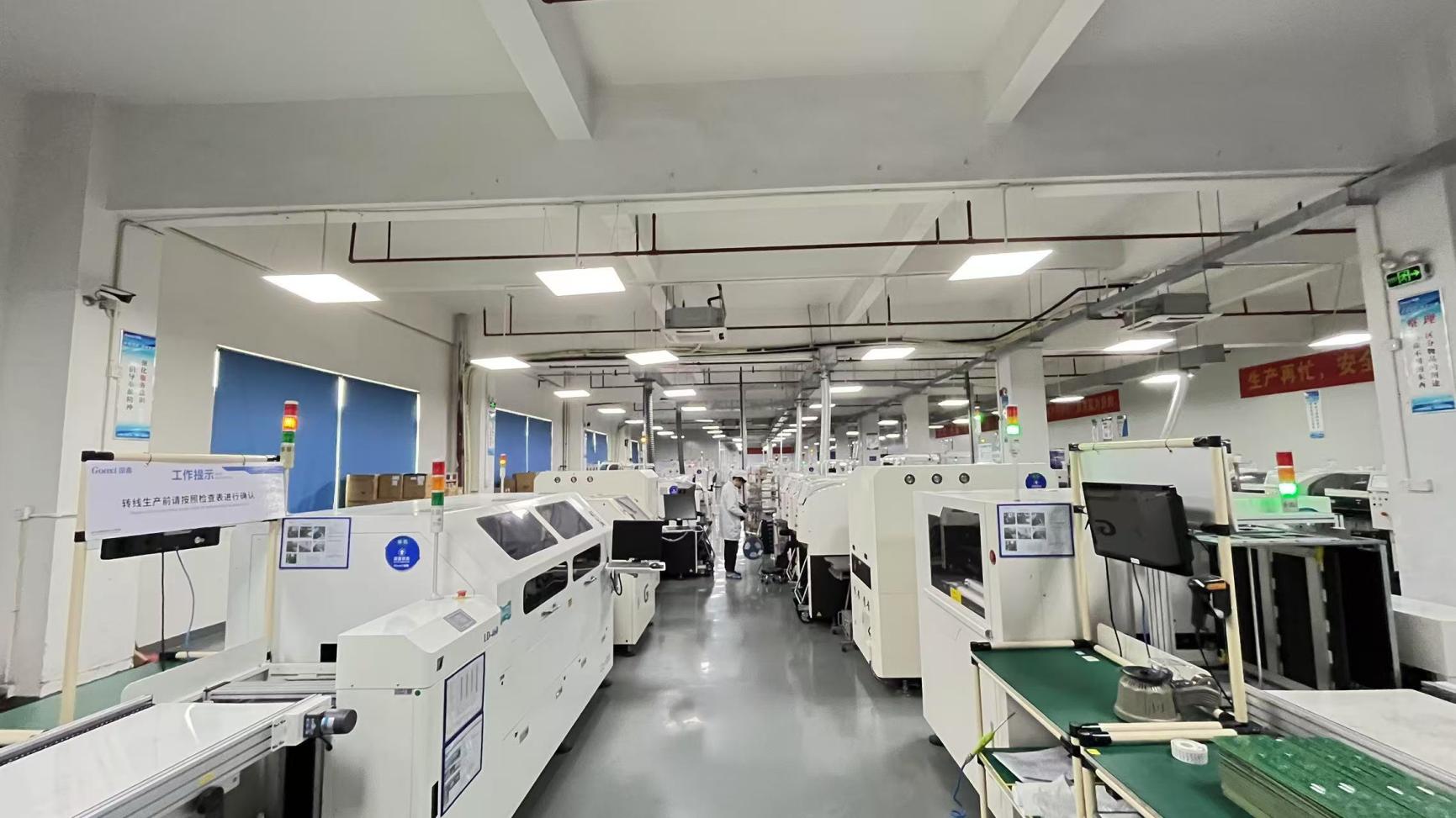
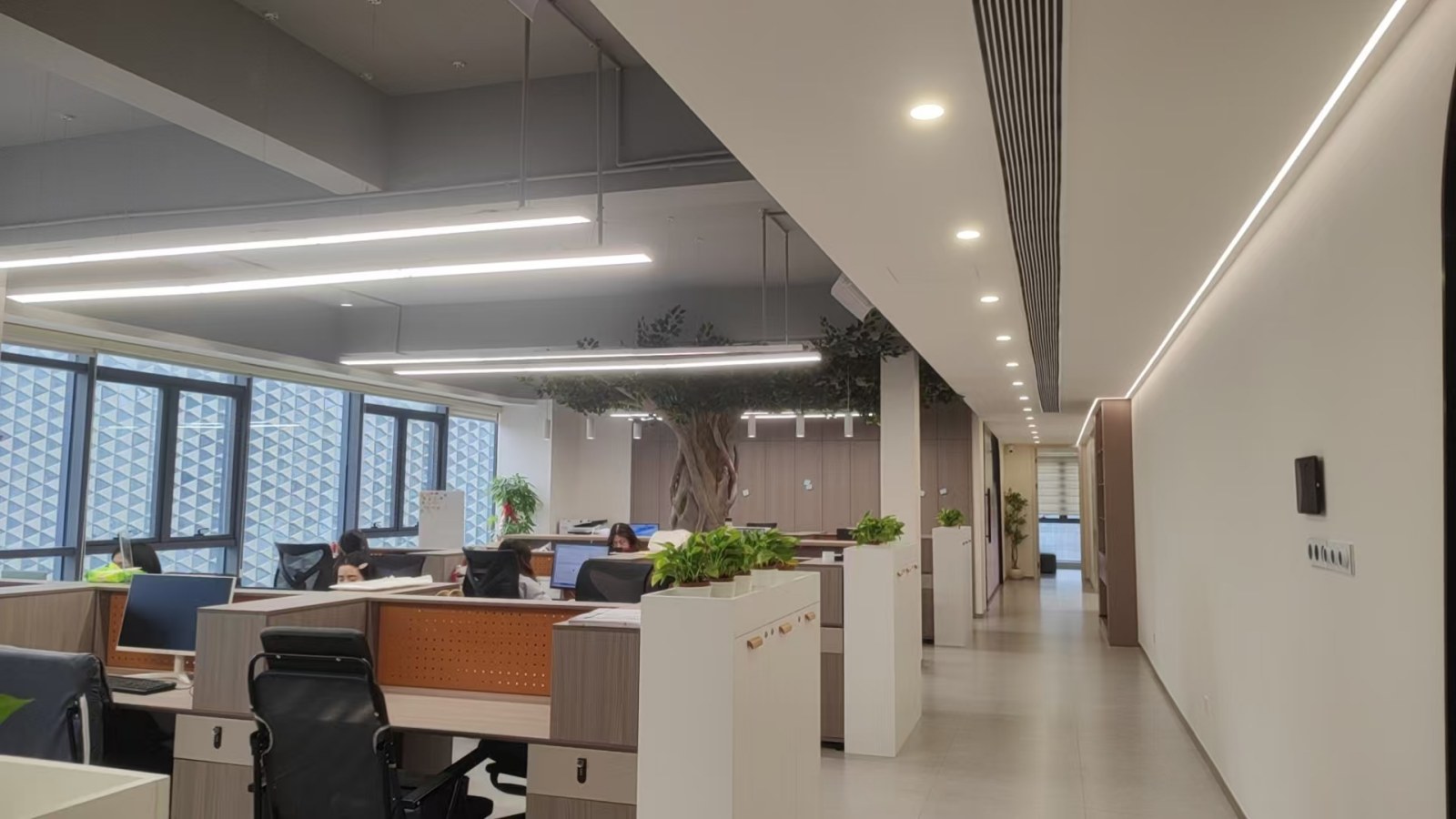
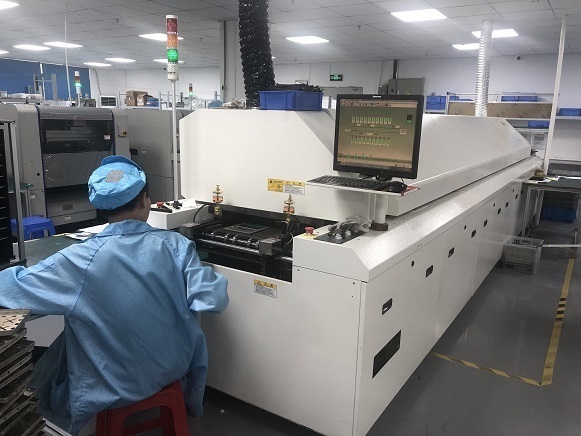
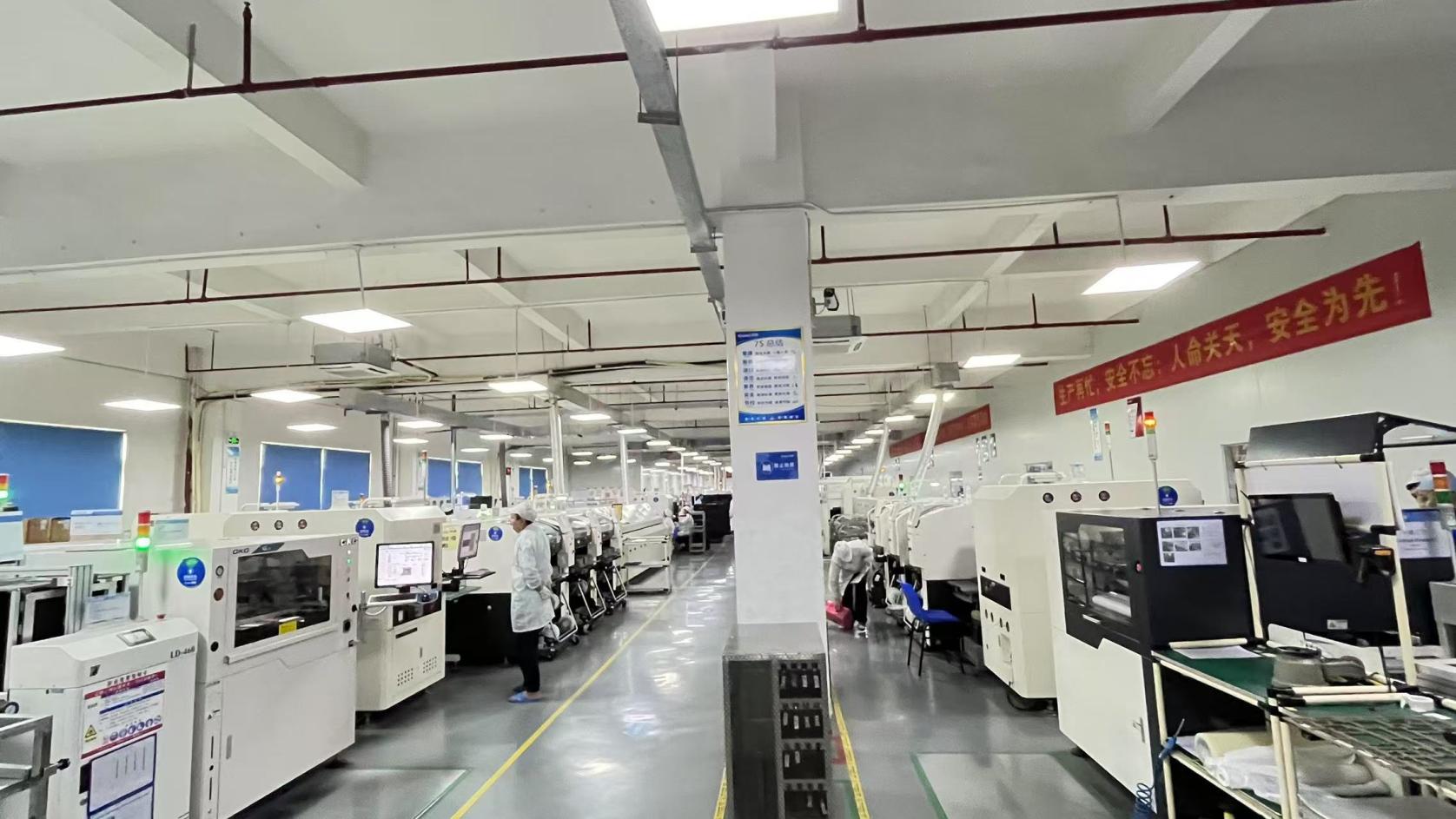
Exporting high-precision industrial hardware to Germany, specifically the Berlin-Brandenburg tech hub, demands absolute compliance with European environmental and safety directives. Our manufacturing lines adhere strictly to these benchmarks to ensure seamless integration into public sector, enterprise, and cloud environments:
| Directive / Standard | Compliance Implementation | Berlin Enterprise Relevance |
|---|---|---|
| RoHS Directive 2011/65/EU | 100% lead-free solder processes; zero hazardous chemical content in fin plating or interfaces. | Mandatory requirement for environmental compliance in municipal and German federal contracts. |
| CE Certification | Rigorous mechanical stability and structural testing, validating electrical insulation for active fan modules. | Ensures liability insurance compatibility and workplace safety compliance inside commercial datacenters. |
| DIN Standards Alignment | Fin and base tolerances machined to DIN ISO 2768-m specifications for perfect mechanical alignment. | Allows predictable mounting pressure on standard enterprise server boards, protecting thin silicon dies. |
| WEEE Compliance | Eco-design considerations, choosing easily separable copper-aluminum assemblies for clean recycling. | Supports Berlin's "Green IT" and circular economy initiatives for hardware decommissioning. |
Original high-compatibility enterprise hardware components from Vorynex engineered for reliable data center workloads.
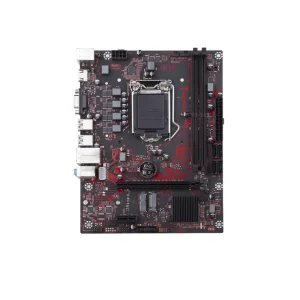
Critical search-intent answers detailing thermodynamics, lead times, and compatibility for procurement managers in the DACH region.
 Vorynex