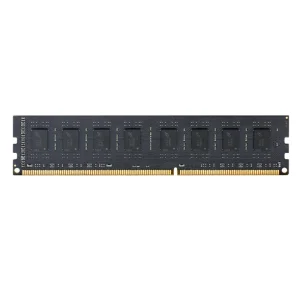
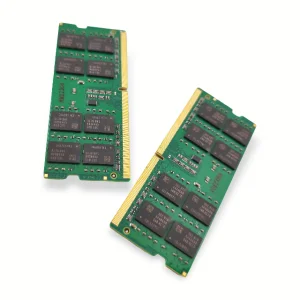
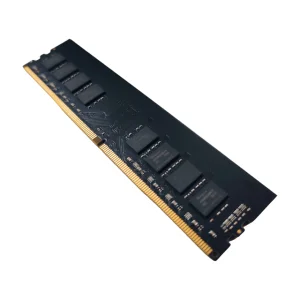
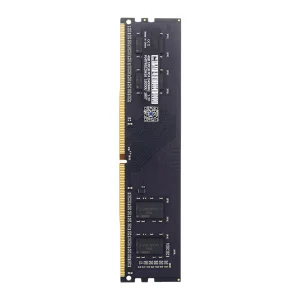
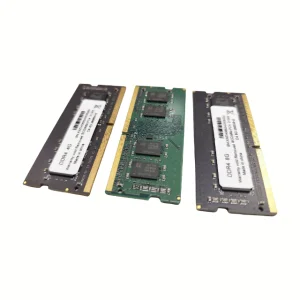
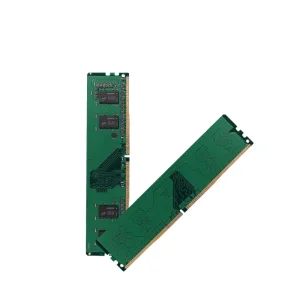
High-performance processing modules and advanced dielectric substrates engineered to survive extreme thermal loads in Sydney’s demanding commercial and industrial sectors.
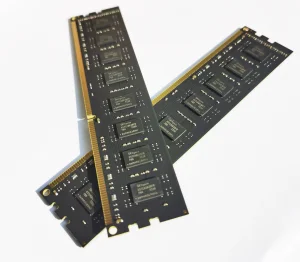
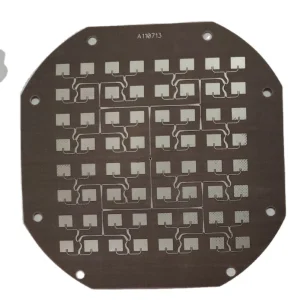
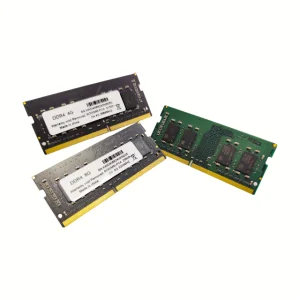
The Greater Sydney metropolitan area, expanding rapidly from the Macquarie Park innovation corridor to the Western Sydney Aerotropolis, has cemented itself as the Southern Hemisphere’s leading hub for aerospace, defense technology, sub-surface mining control systems, and automated transport infrastructure. As computing densities soar and physical profiles shrink, electronic systems face unprecedented thermal stress. Sydney’s climate, paired with high-load, enclosed industrial setups, requires substrate designs that maintain mechanical integrity and electrical reliability under constant thermal cycling.
For engineering departments throughout New South Wales (NSW), standard FR-4 circuit boards (which possess glass transition temperatures, or Tg, of around 130°C to 140°C) often fall short. Thermal expansion along the Z-axis, mechanical warping, and delamination occur when substrates are exposed to prolonged operating temperatures that approach these thresholds. This has driven a critical industry transition to High-TG PCBs (with a glass transition temperature exceeding 170°C to 180°C) as the baseline specification for mission-critical hardware deployments across the region.
The Tg of a printed circuit board is the temperature at which the base resin changes from a rigid, glass-like material to a soft, rubbery phase. High-TG substrates ensure that the board retains its mechanical rigidity, copper adhesion, and dielectric insulation properties during high-temperature laminating cycles, wave soldering, and intense ambient heat.
High-TG circuit boards utilize specialized epoxy resin systems modified with advanced curing agents and glass fabric reinforcers to resist thermal degradation. When operating temperatures exceed the design limit of standard FR-4, the polymer chain structure breaks down, accelerating the Coefficient of Thermal Expansion (CTE), particularly in the Z-axis. This Z-axis expansion exerts extreme tensile stress on plated through-holes (PTH), risking trace separation, micro-cracking, and intermittent circuit failure.
| Substrate Material Parameter | Standard FR-4 Board | High-TG FR-4 Board | Taconic TLY-5 (PTFE High-Freq) |
|---|---|---|---|
| Glass Transition Temp (Tg) | 130°C - 140°C | 170°C - 180°C+ | Exceeds 280°C (Dielectric stable) |
| Decomposition Temp (Td) | ≤ 300°C | ≥ 340°C | > 400°C |
| Z-Axis CTE (Pre-Tg) | 60 - 80 ppm/°C | 45 - 55 ppm/°C | 130 ppm/°C (highly isotropic) |
| Z-Axis CTE (Post-Tg) | 250 - 300 ppm/°C | 220 - 240 ppm/°C | N/A (maintains stability) |
| Dielectric Constant (Dk @ 1GHz) | 4.5 - 4.8 | 4.2 - 4.5 | 2.20 |
| Dissipation Factor (Df @ 1GHz) | 0.015 - 0.020 | 0.009 - 0.013 | 0.0009 |
By maintaining a low CTE under high-temperature environments, High-TG PCBs preserve the integrity of multi-layer interconnects, fine-pitch ball grid arrays (BGAs), and surface-mount components. This makes them crucial for processing units in modern automation architectures, telecommunication infrastructure, and compact industrial control computers.
Our High-TG PCB assemblies and robust systems support several key applications across Sydney and New South Wales:
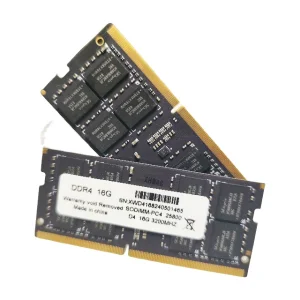
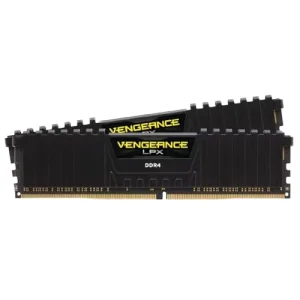
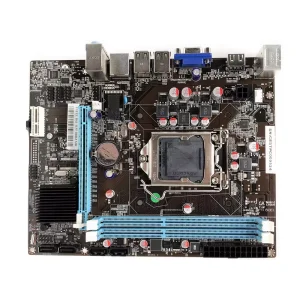
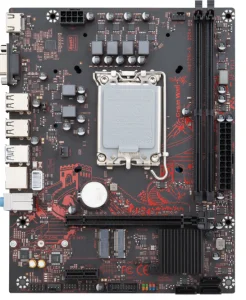
Heavy-duty PCB assemblies and memory components tailored to operate reliably in dense industrial computing rigs and telecom equipment enclosures.
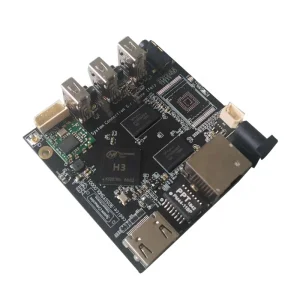
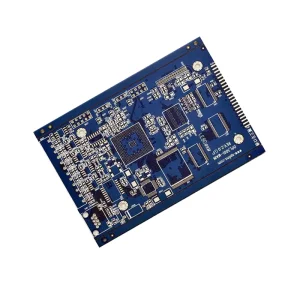
The global electronics supply chain demands both raw manufacturing capacity and engineering precision. Operating as a reliable manufacturing partner and OEM/ODM solution provider, Vorynex Memory Technology (China) Co., Ltd. specializes in delivering high-speed, stable, and energy-efficient memory systems and high-density PCB assemblies for global markets, including North America, Europe, Southeast Asia, the Middle East, and Australia.
Established in 2016, Vorynex has grown its engineering and manufacturing capabilities to support high-performance industrial applications. With over 12 years of industry experience in memory architecture and semiconductors, the company generates an annual export revenue of approximately USD 12 million, supported by 6 years of global export experience.
Vorynex supports full hardware customization, including frequency tuning, PCB design modifications, heat sink integration, private labeling, and firmware optimization. By collaborating with more than 1,200 supply chain partners, the company maintains stable sourcing of premium DRAM chips and industrial substrates, launching approximately 240 new product models annually to address evolving technical requirements.
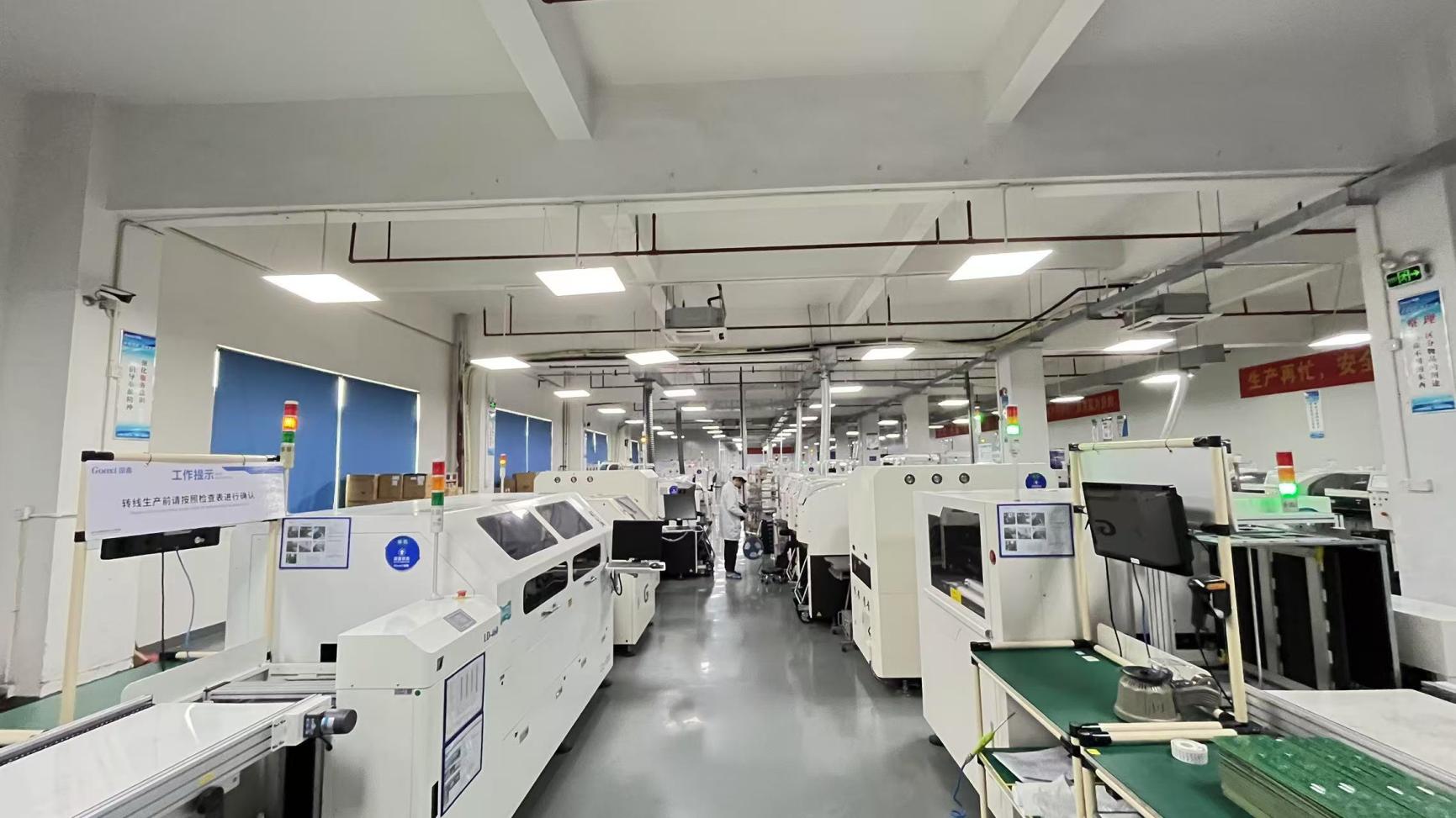
Industrial electronics operating in rugged conditions require thorough validation. To guarantee reliable performance, our products undergo strict quality control protocols:
Our manufacturing processes comply with international quality and environmental standards, including UL 94V-0 flammability ratings, RoHS, REACH, CE, and FCC guidelines, ensuring seamless deployment into Australian industrial and commercial networks.
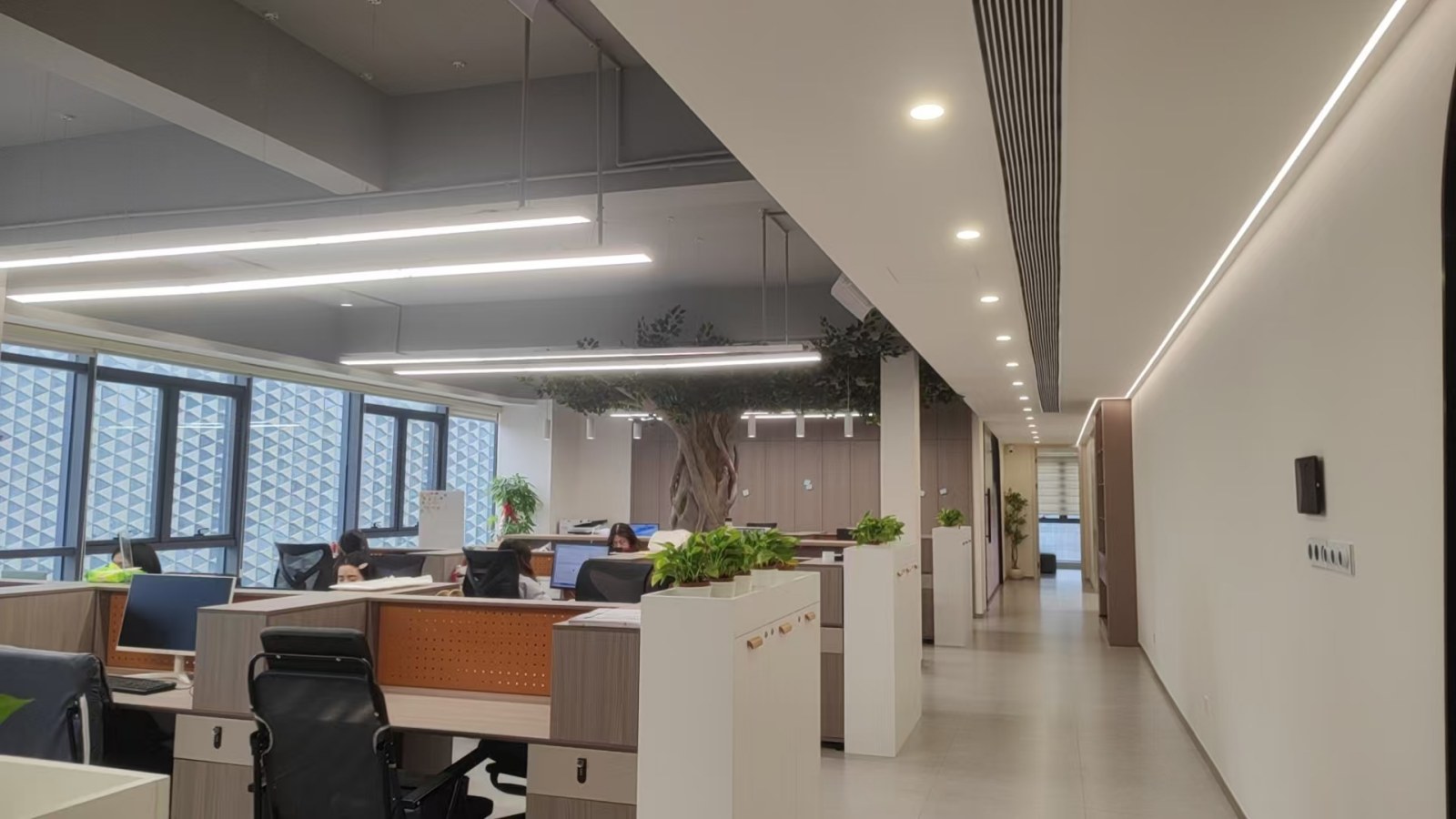
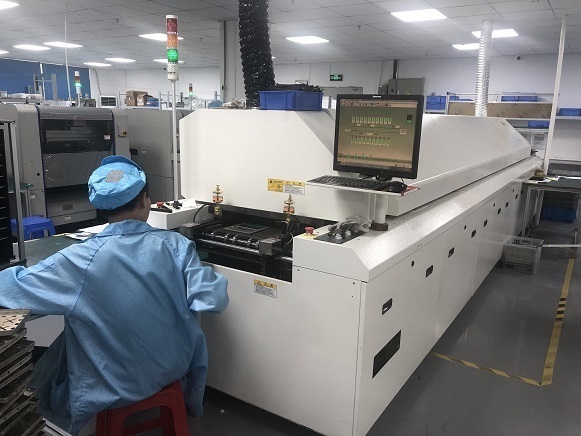
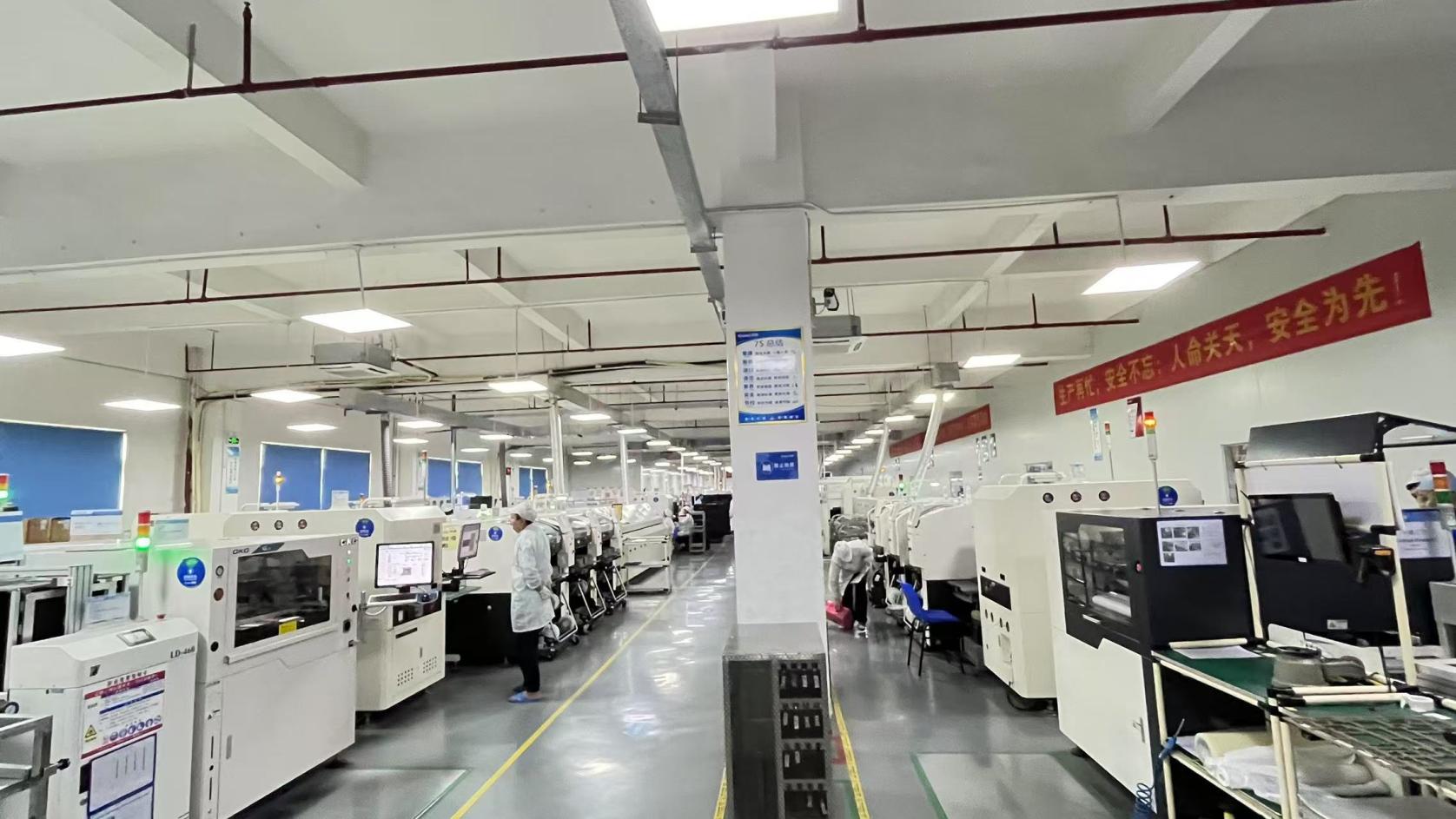
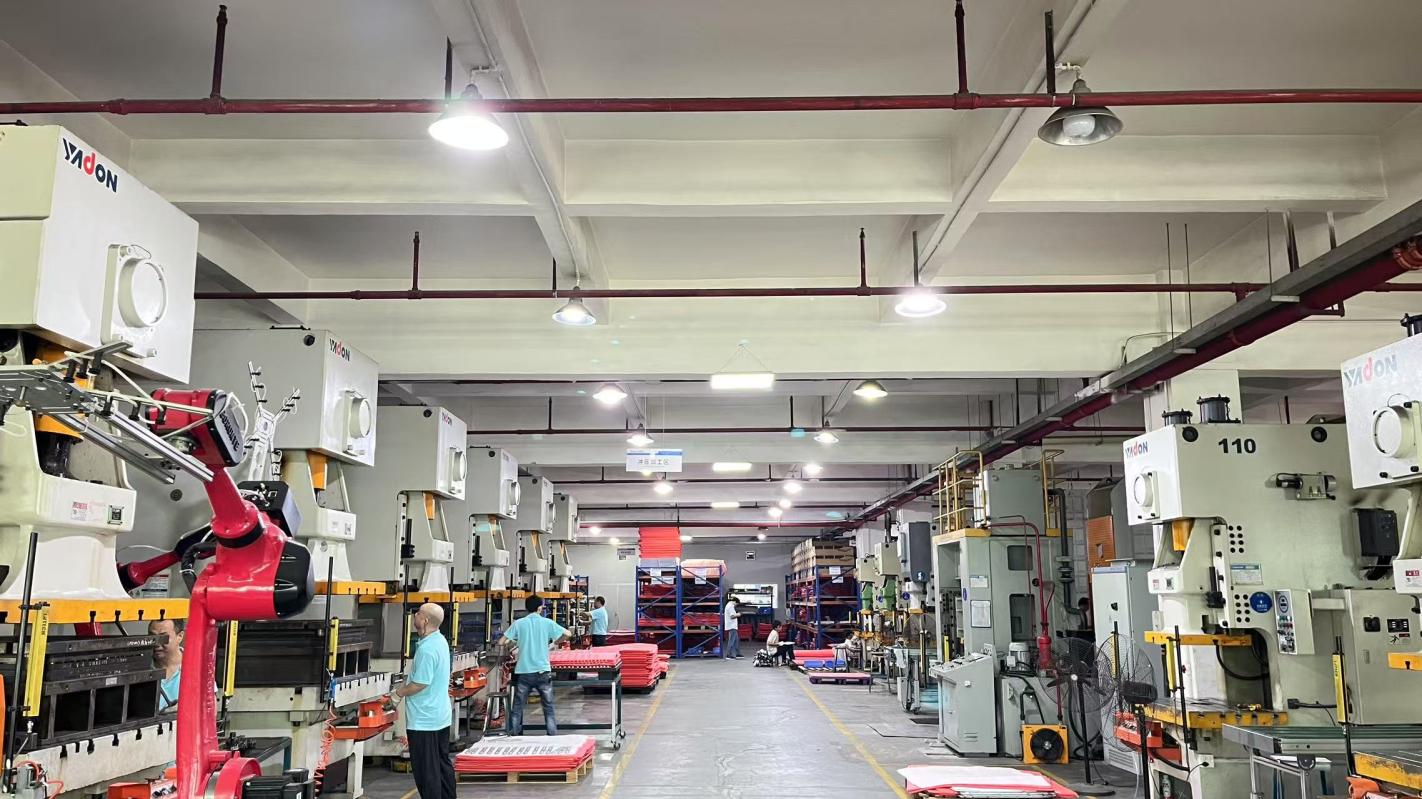
Explore our technical catalogue of high-speed memory modules, high-frequency motherboards, and PCBA solutions designed for durable operations.
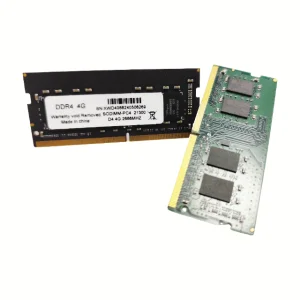
The next decade of hardware engineering in Sydney’s industrial sectors points toward higher speeds and denser packages. As DDR5 technology replaces legacy architectures and AI processing migrates to local edge systems, thermal profiles will become more challenging. In response, engineering teams are focusing on several key developmental paths:
Technical clarifications on sourcing, specifications, and applications of High-TG PCBs for the Sydney market.
A standard PCB material has a glass transition temperature (Tg) between 130°C and 140°C. Medium-TG boards range between 150°C and 160°C, while High-TG PCBs are specified with a Tg of 170°C, 180°C, or higher, providing superior mechanical and electrical stability at elevated temperatures.
Sydney’s summer temperatures, combined with the heat generated within unventilated industrial enclosures (such as mining machinery, telecom towers, and transit cabins), can push internal system temperatures beyond standard limits. High-TG substrates prevent thermal warping, pad lifting, and delamination, protecting critical components.
Delamination occurs when thermal expansion stresses exceed the adhesion strength between the copper layers and the resin-impregnated fiberglass. By maintaining a stable, rigid state up to 170°C–180°C, High-TG resins significantly reduce Z-axis thermal expansion (CTE), protecting internal vias and multi-layer bonds from separation.
Yes. Vorynex supports complete OEM/ODM customization services. This includes configuring multi-layer PCB stacks, adapting high-frequency materials like Taconic TLY-5, modifying aluminum substrates, frequency tuning memory modules, and optimizing thermal heat sink designs to match your mechanical constraints.
All electronic assemblies undergo automated optical inspection (AOI), in-circuit electrical testing (ICT), and system-level validation. Additionally, high-temperature environmental stress screening ensures long-term reliability. All materials comply with RoHS, REACH, and UL 94V-0 standards.
 Vorynex