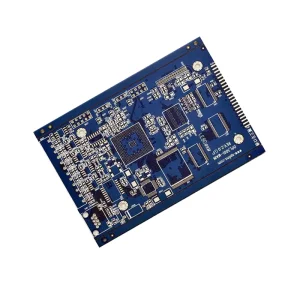
Engineered for extreme reliability under cyclic thermal stress, featuring premium FR4 High-TG core layers and ruggedized components optimized for local networks.
The industrial landscape in France is undergoing a profound structural transition, heavily driven by the government's "France 2030" reindustrialization framework. From Toulouse’s aviation clusters and Bordeaux’s avionics manufacturing lines, to the automotive "Battery Valley" in Hauts-de-France, French design houses and OEMs are demanding unprecedented levels of thermal resilience and structural stability from their Printed Circuit Board Assemblies (PCBAs) and computing modules.
Under these highly demanding operating conditions, standard FR4 substrates (with a Glass Transition Temperature or Tg of 130°C - 140°C) suffer from structural fatigue, via crack propagation, and delamination due to the extreme heat generated by power conversion units and high-frequency calculation chips. The adoption of High-TG (Tg ≥ 170°C - 180°C) laminates is no longer an optional upgrade but a safety-critical mandate across aerospace, heavy rail transportation networks, and electric vehicle (EV) charging stations.
Decarbonization, electric mobility, and strategic electronics autonomy require advanced hardware suppliers capable of delivering high-reliability multilayer PCBs and industrial memory configurations.
RoHS-compliant lead-free soldering processes reach peak reflow temperatures of 250°C-260°C. Standard PCBs warp; High-TG substrates retain mechanical stability and low Z-axis thermal expansion.
When selecting High-TG PCBs for heavy-duty applications in French industries, procurement managers and hardware design engineers must evaluate multiple interrelated thermodynamic parameters to ensure system reliability:
Tg represents the temperature threshold at which the base resin changes from a rigid, glassy state to a flexible, rubbery state. Maintaining a Tg of ≥170°C ensures mechanical integrity under continuous high temperatures.
In multilayer PCBs, the CTE along the Z-axis is crucial. Standard laminates expand significantly when heated, tearing copper plating inside vias. High-TG materials restrict Z-axis expansion, ensuring robust interconnectivity.
This indicates the time a substrate can survive continuous exposure to 260°C or 288°C before internal delamination occurs. A higher rating reflects superior resin curing, molecular cross-linking, and overall layer adhesion.
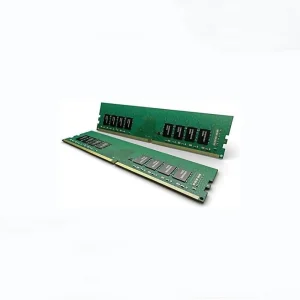
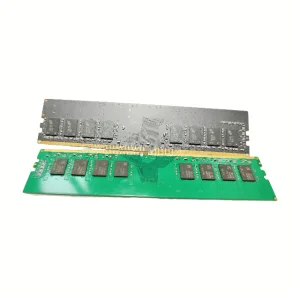
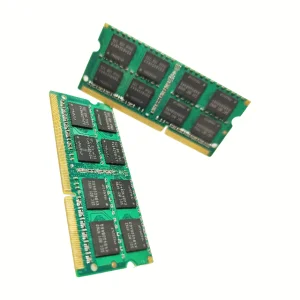
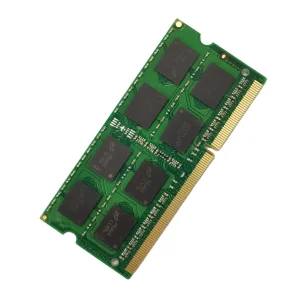
By leveraging High-TG substrates, French industrial designers can safely optimize their PCB layout trace densities, decrease separation distances in high-voltage designs, and run their processors at higher clock speeds without fear of structural breakdown. The inclusion of high-quality components, such as Vorynex's memory kits and motherboards, completes this reliability puzzle, allowing complex edge computers to run 24/7 without thermal throttling or hardware failures.
How Vorynex integrates automated assembly lines, strict QA frameworks, and deep component networks to serve high-reliability industries globally.
Operating a modernized production facility with cutting-edge cleanroom configurations, Vorynex Memory Technology (China) Co., Ltd. serves as a reliable OEM/ODM provider for systems integrators and engineering firms in France. With over 12 years of industry experience in semiconductors and memory modules, we combine optimized PCB architecture with high-performance DRAM validation to supply robust hardware solutions.
Every memory module and industrial motherboard is subjected to our rigorous multi-stage quality protocol. This includes 100% functional testing, automated optical inspection (AOI), in-circuit testing (ICT), and system-level thermal chamber stress runs. Our factory leverages over 1,200 supply chain partners, guaranteeing a steady supply of premium DRAM chips and high-grade laminates even during volatile market cycles.
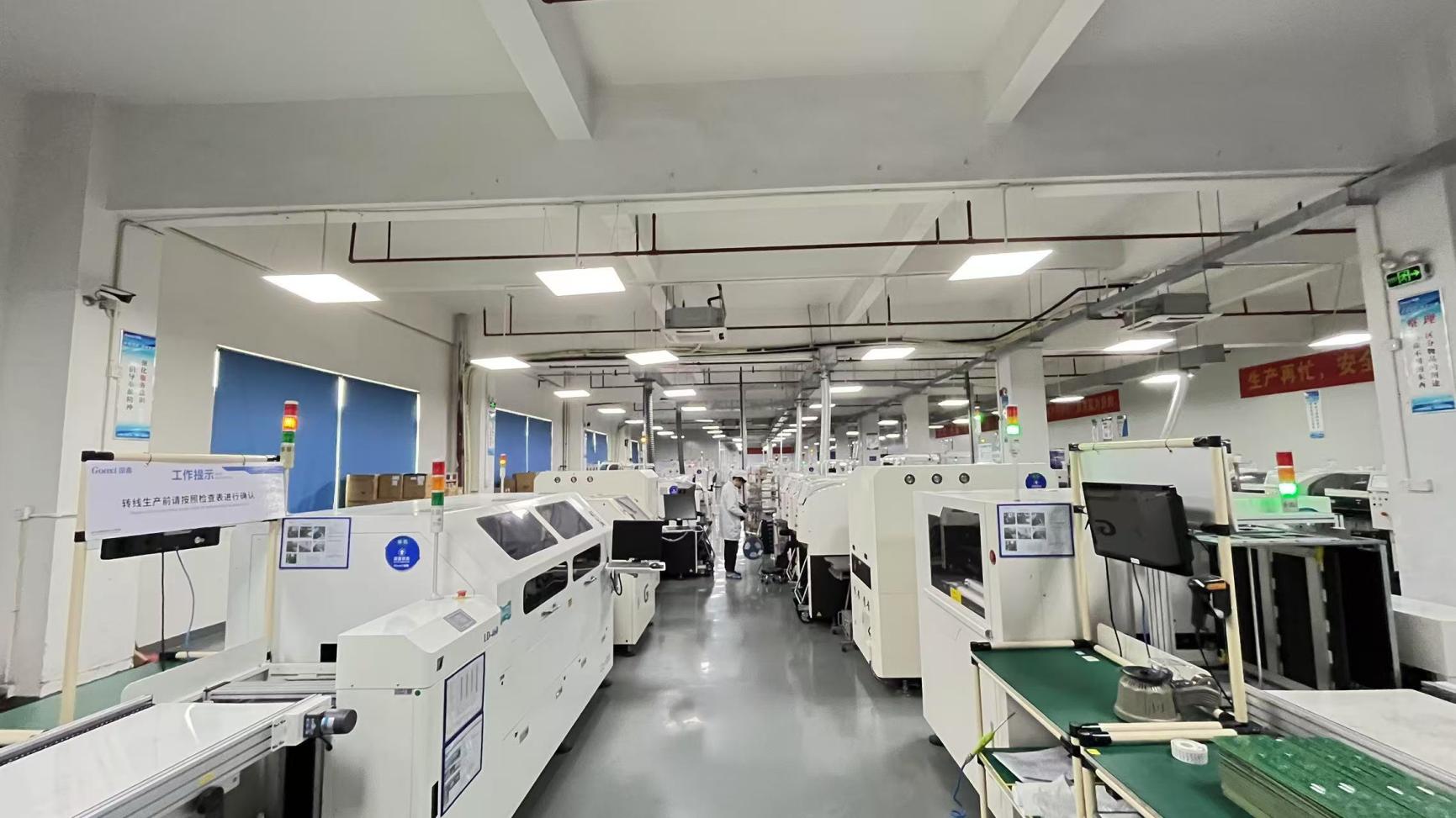
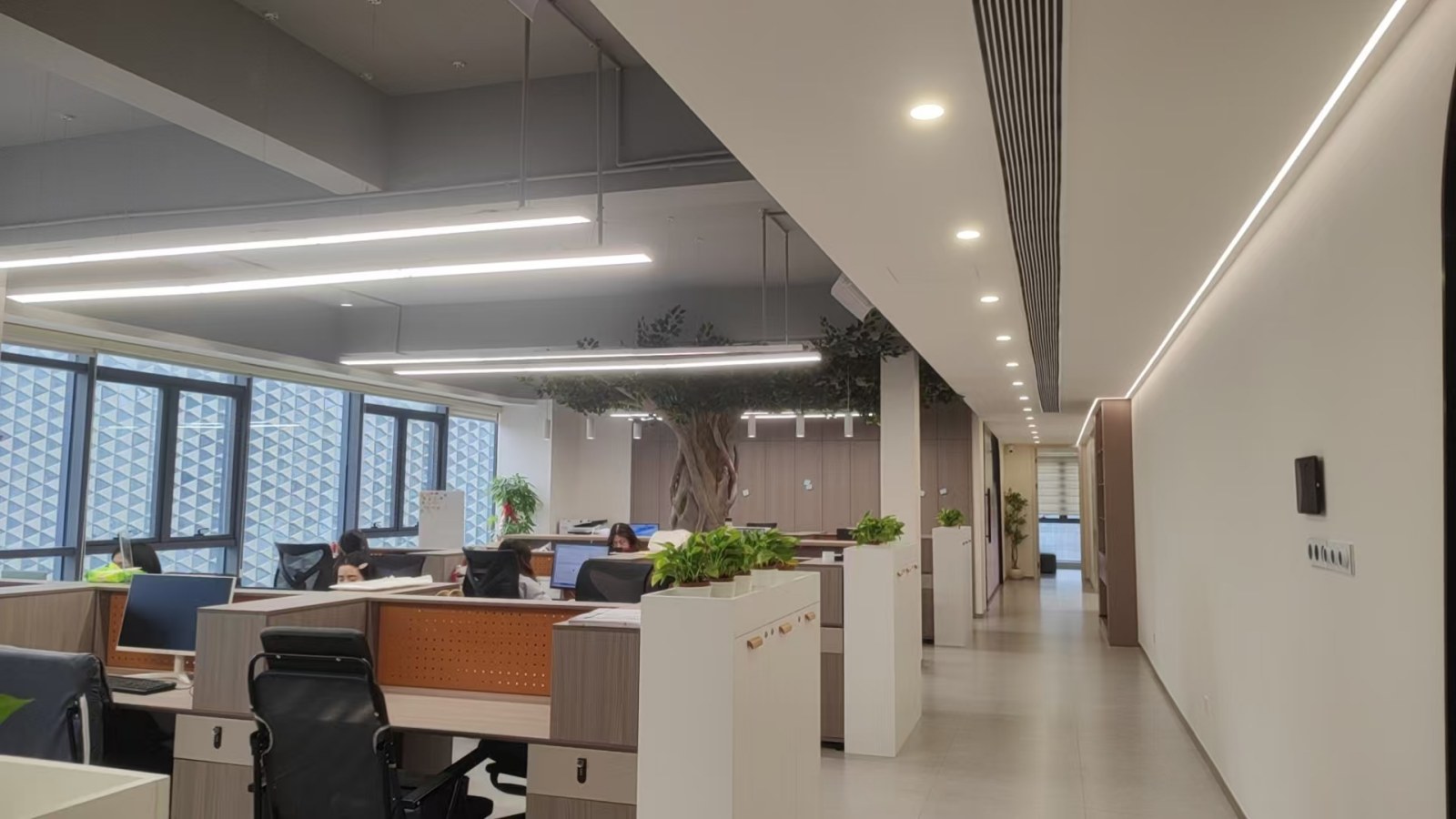
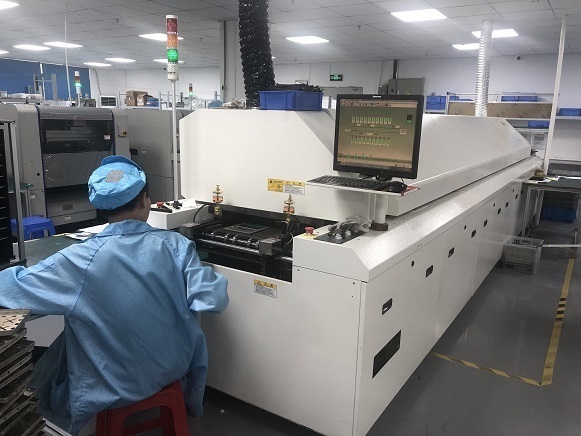
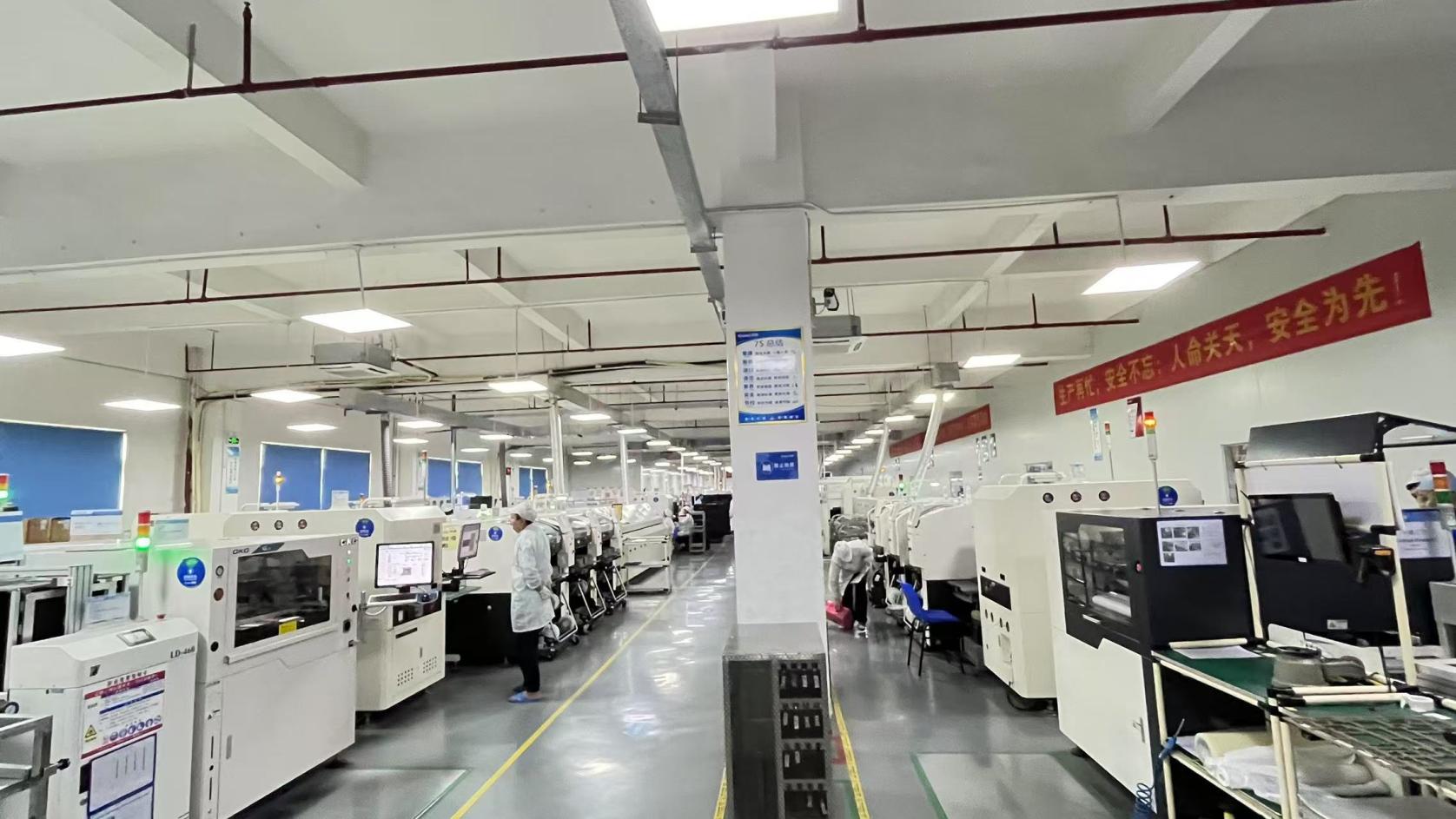
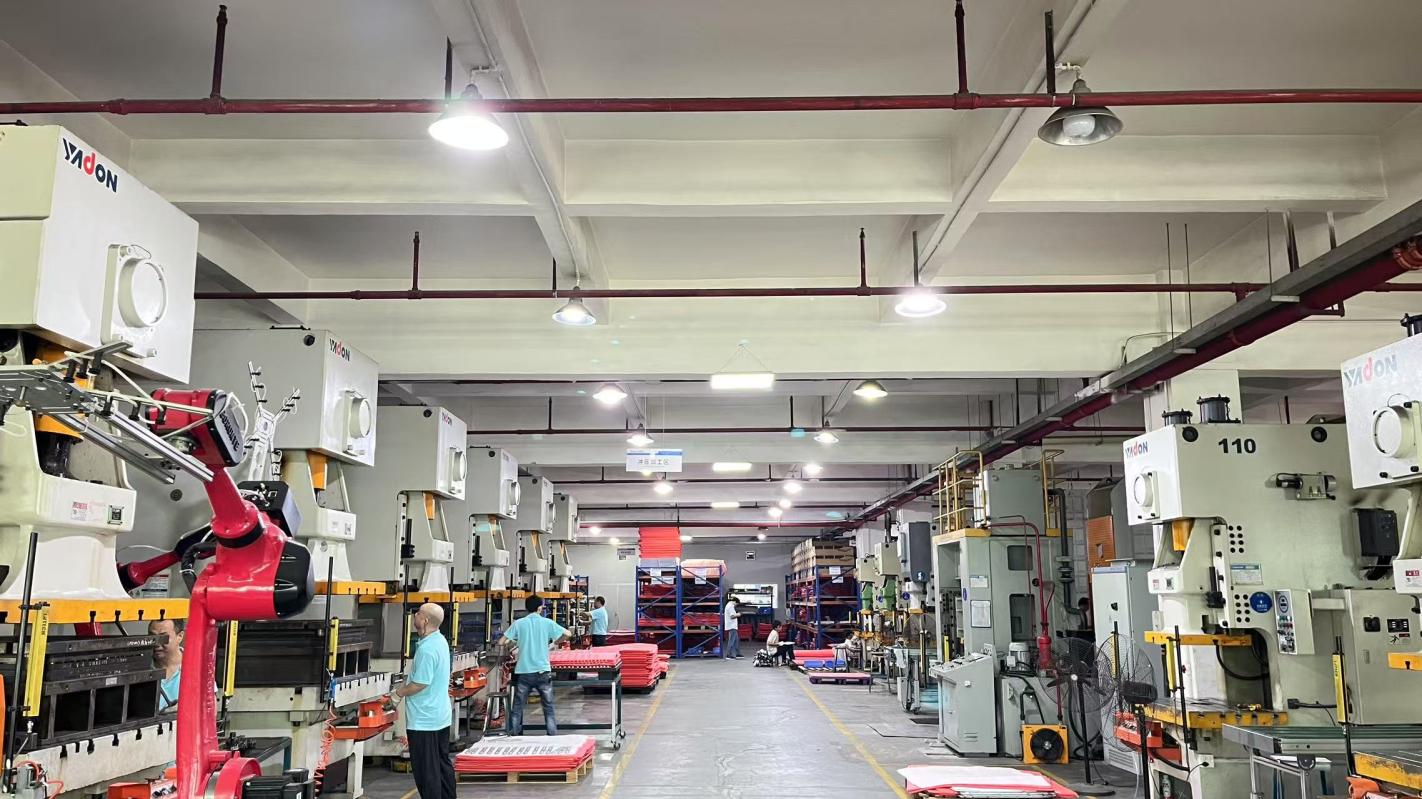
From harsh industrial environments to advanced computing setups, discover where our High-TG PCB methodologies and memory technologies are deployed:
High-altitude operations undergo intense thermal cycling, transitioning rapidly from freezing temperatures to high internal heats. High-TG boards keep radar, navigation systems, and mission-critical computers functioning reliably.
Modern EV batteries and high-power charging controllers run at extremely high currents, generating significant internal heat. Our High-TG PCB solutions ensure the Battery Management System (BMS) remains intact without material fatigue.
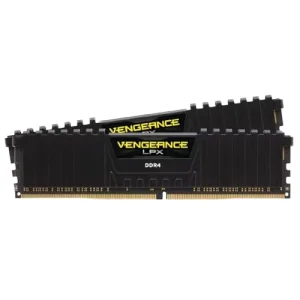
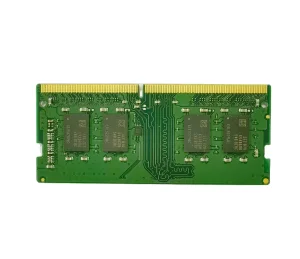
With the dense localization of edge nodes in major cities like Marseille and Paris, server rooms run hot. Our enterprise-grade DDR4/DDR5 modules and industrial motherboards operate stably under continuous thermal load.
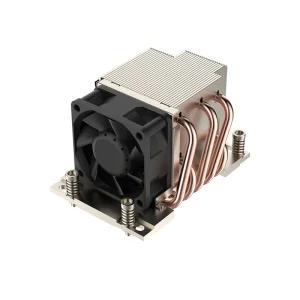
Explore our full line of robust computing components, optimized for custom industrial PC and server architectures in the European market.
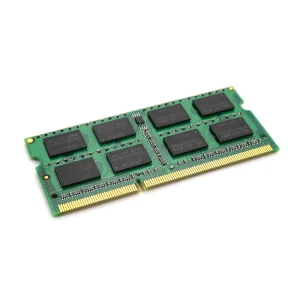
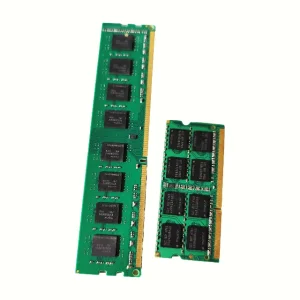
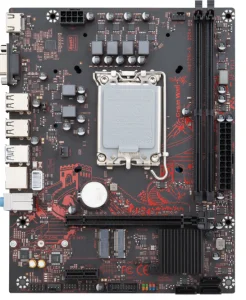
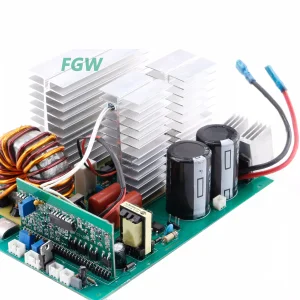
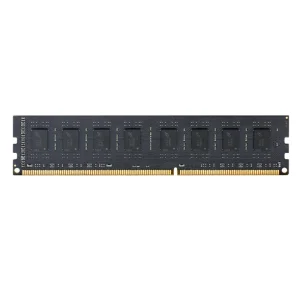
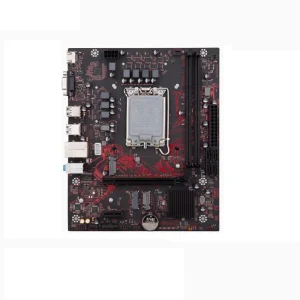
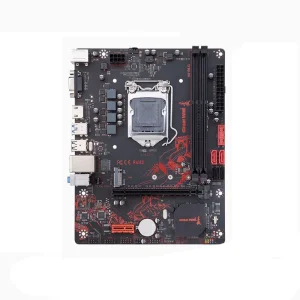
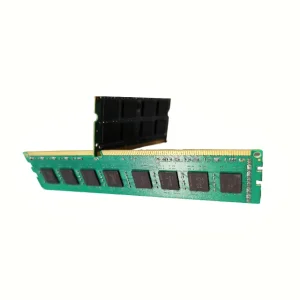
Get answers to critical design questions regarding material selection, thermal thresholds, and manufacturing specs for France & European deployments.
Whether you require custom High-TG multi-layer boards, edge computing RAM, or customized PCBA services, our sales and engineering team is here to assist.
 Vorynex