Featured high-performance systems and base hardware engineered for low latency, system-level validation, and complex architectural routing.
As Japan’s ultimate technological nerve center, the Tokyo metropolitan area represents one of the world's most advanced clusters for edge computing, high-frequency trading (HFT) at the Tokyo Stock Exchange (TSE), and IoT-driven smart logistics hubs. The expansion of hyper-scale data centers in locations like Inzai (Chiba) and Kanagawa Prefecture has spurred an unprecedented demand for localized B2B memory sourcing.
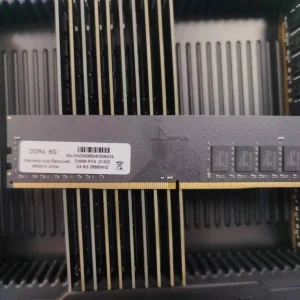
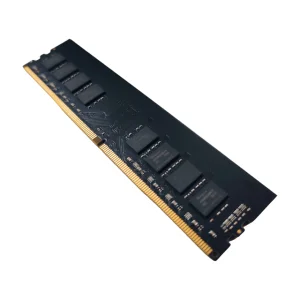
For industrial automation systems operating within Kanagawa's automotive supply chain and Tokyo's precision robotics factories, semiconductor reliability is not just a specification—it is an operational mandate. Standard off-the-shelf consumer memory fails to meet Japan's rigid quality expectation levels (Kaizen principles). This requires specialized DDR4 RAM memory modules featuring locked bills-of-materials (BOM), system-level compatibility validations, and optimized thermal signatures designed to operate within narrow cooling envelopes.
"To satisfy the ultra-low latency demands of Tokyo's edge-computing facilities, DDR4 memory must operate with absolute architectural stability under high-stress, continuous load factors."
In the global memory semiconductor landscape, the transition from DDR4 to DDR5 is well underway. However, DDR4 remains the dominant infrastructure architecture for legacy enterprise servers, telecommunication switches, embedded medical imaging equipment, and localized IoT gateway boards. The global industrial sector continues to secure stable pipelines of DDR4 RAM due to its mature pricing structure, proven reliability, and compatibility with established chipset platforms.
As a global manufacturing partner with deep supply chain integration, Vorynex Memory Technology coordinates directly with primary wafer fabs to ensure consistent component sourcing. By leveraging over 1,200 supply chain partners, we bypass traditional logistics bottlenecks, providing the Tokyo market with reliable, high-yield DRAM shipments even during global silicon fluctuations.
A direct comparison of standard and high-reliability DDR4 specifications supporting Tokyo's system integrators and IT maintenance operations.
| DRAM Architecture | Frequency Range | Voltage Requirements | ECC (Error Correction) | Primary Industrial Use-Cases |
|---|---|---|---|---|
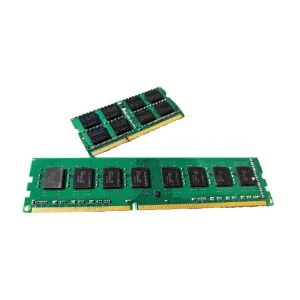
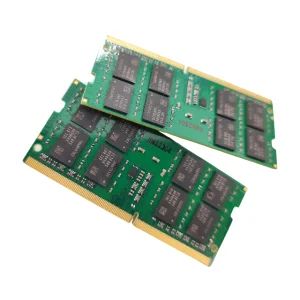
| DDR4 SODIMM (ECC/Non-ECC) | 2133MHz - 3200MHz | 1.2V Standard | Available (ECC for Workstations) | Rugged Fanless PC, Edge Gateway, Medical Diagnostics |
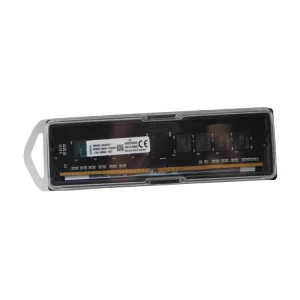
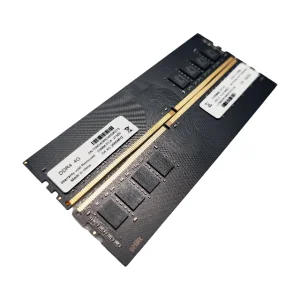
| DDR4 UDIMM (Standard Desktop) | 2400MHz - 3200MHz | 1.2V - 1.35V (XMP option) | No | Workstation, HMI Panels, Development Boards |
| DDR4 RDIMM (Registered Server) | 2666MHz - 3200MHz | 1.2V | Yes (Multi-bit Error Protection) | Virtualization Servers, Tokyo Telecom Switchboards, High-Frequency Trading Systems |
| DDR5 UDIMM/RDIMM (Next-Gen) | 4800MHz - 6400MHz+ | 1.1V (On-board PMIC) | On-Die ECC (Standard) | AI Training, Advanced Machine Learning, Hyperscale Cloud Centers |
While DDR5 introduces high-density on-die PMICs and independent 32-bit subchannels, DDR4’s architectural simplicity keeps it highly relevant. For embedded automation, DDR4 eliminates the need for expensive mainboard power regulation redesigns. Vorynex commits to maintaining production lines for DDR4 legacy and specialized industrial designs through 2030, ensuring Tokyo buyers avoid obsolescence risks.
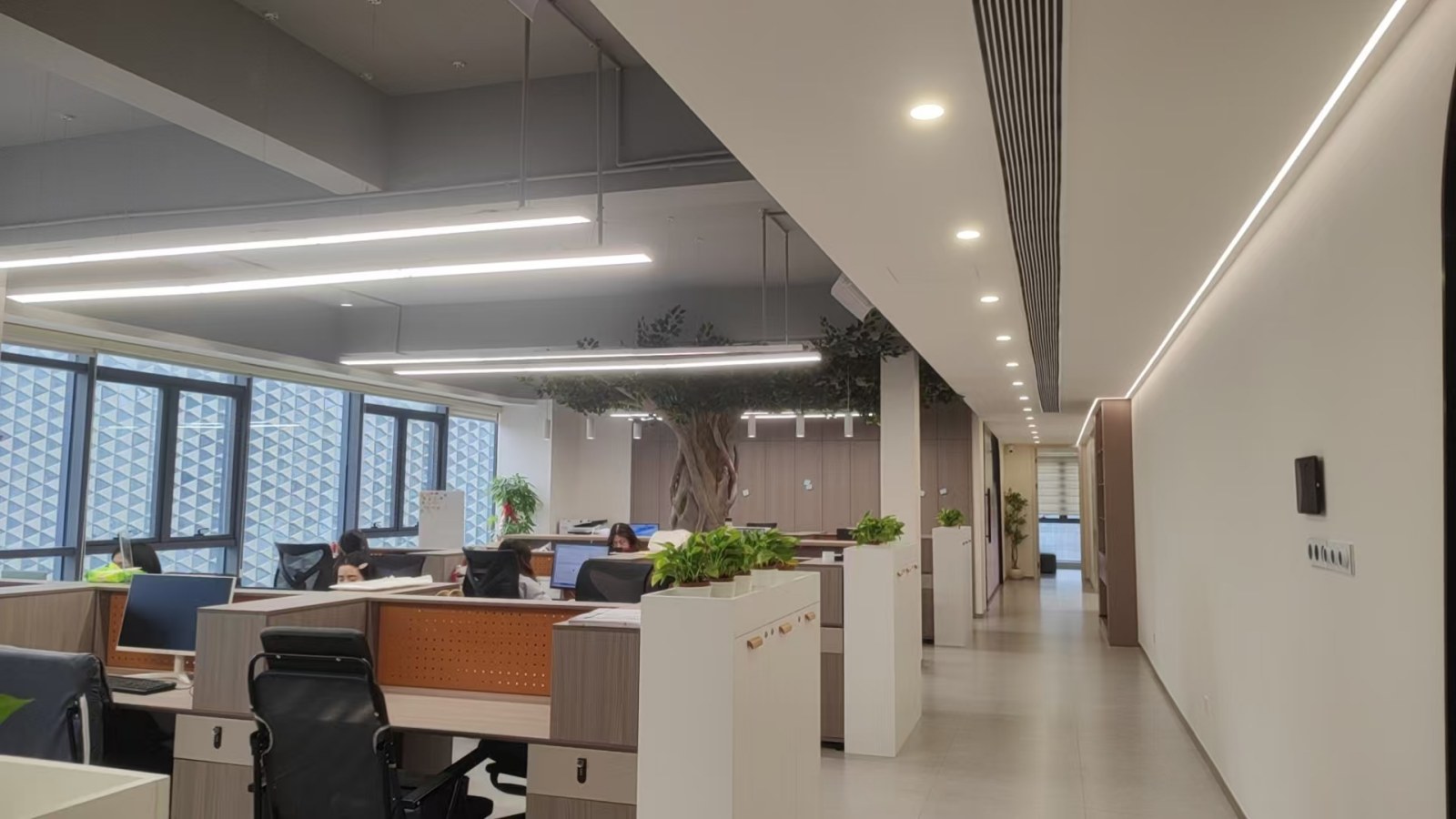
Vorynex Memory Technology (China) Co., Ltd. delivers high-speed, energy-efficient memory solutions under strict quality assurance benchmarks.
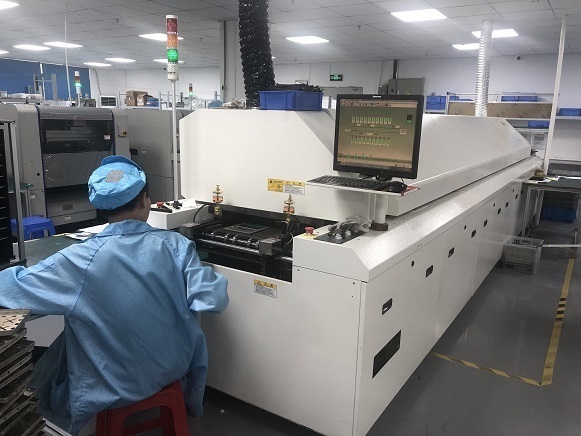
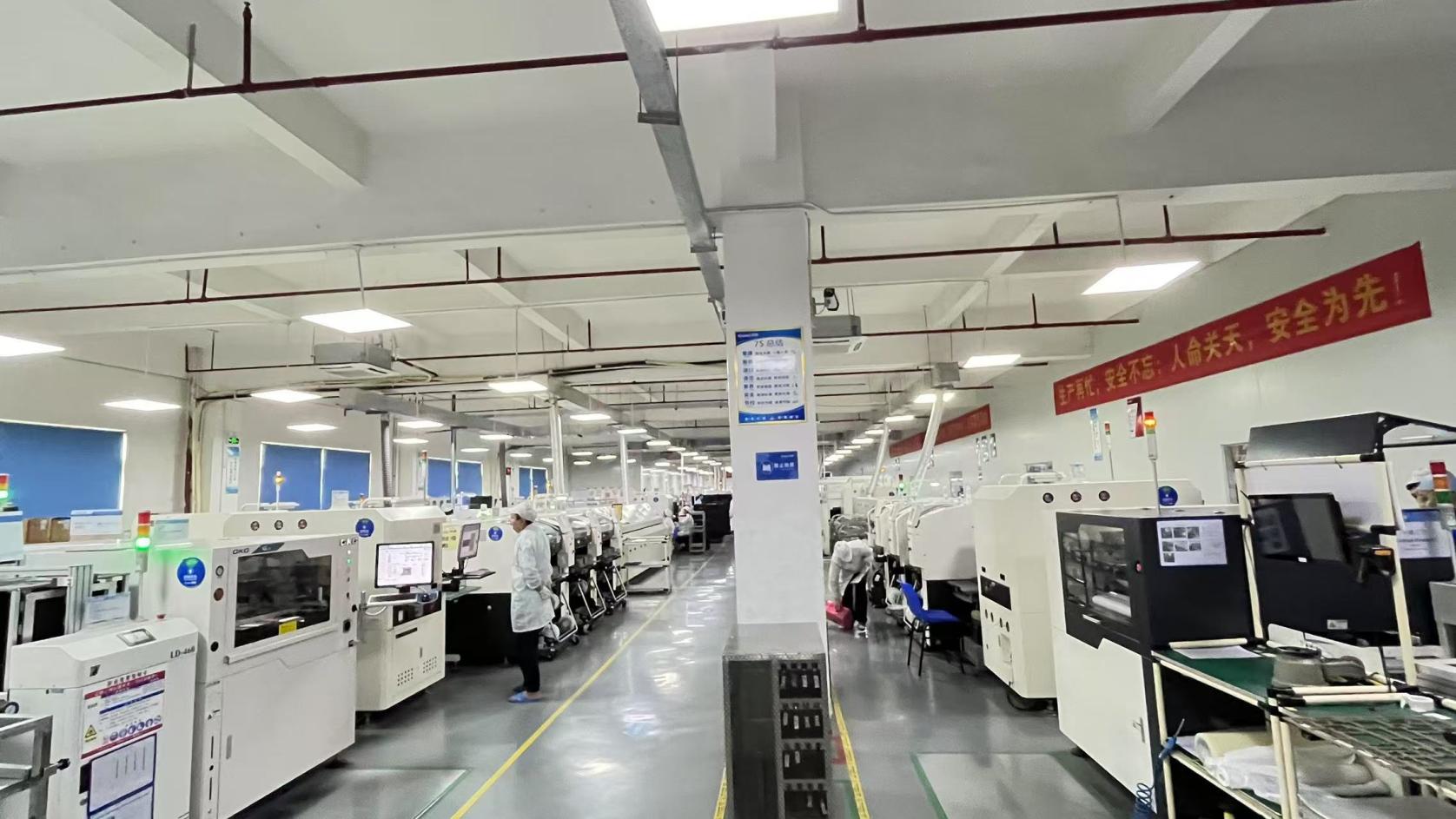
Established in 2016, Vorynex has built its market position on strict quality control standards. In our modern facility, we employ a multi-layered testing regimen. Every batch of DDR4 RAM undergoes 100% functional testing, high-temperature stress testing, and real-system compatibility validation across multiple platforms (Intel Core, Xeon, AMD Ryzen, SP6).
Our dedicated QA team of 45 professional QC staff utilizes Automated Optical Inspection (AOI) to trace microscopic soldering imperfections on multi-layer PCBs. In-circuit testing (ICT) ensures signal traces operate within tight tolerances, preventing data corruption and memory bus interference.
Whether customizing heat sinks for thermal dissipation in high-density rackmount enclosures, tuning RAM timings (CL16, CL19, CL22), or adapting designs to 4-layer and 6-layer high-frequency PCB specs, our 180 R&D engineers deliver engineered consistency.
With an annual export revenue of approximately USD 12 million and over 12 years of industry experience, Vorynex manages international compliance, ensuring clear customs processing and direct shipping routes to Yokohama and Tokyo port facilities.
We accommodate private labeling (OEM) and custom firmware design (SPD custom configuration) to match specific platform requirements. This includes legacy systems requiring specific JEDEC timing profiles or hardware modifications.
Speak directly with our technical team to lock down BOM and configure custom SPD profiles.
Send Inquiry Now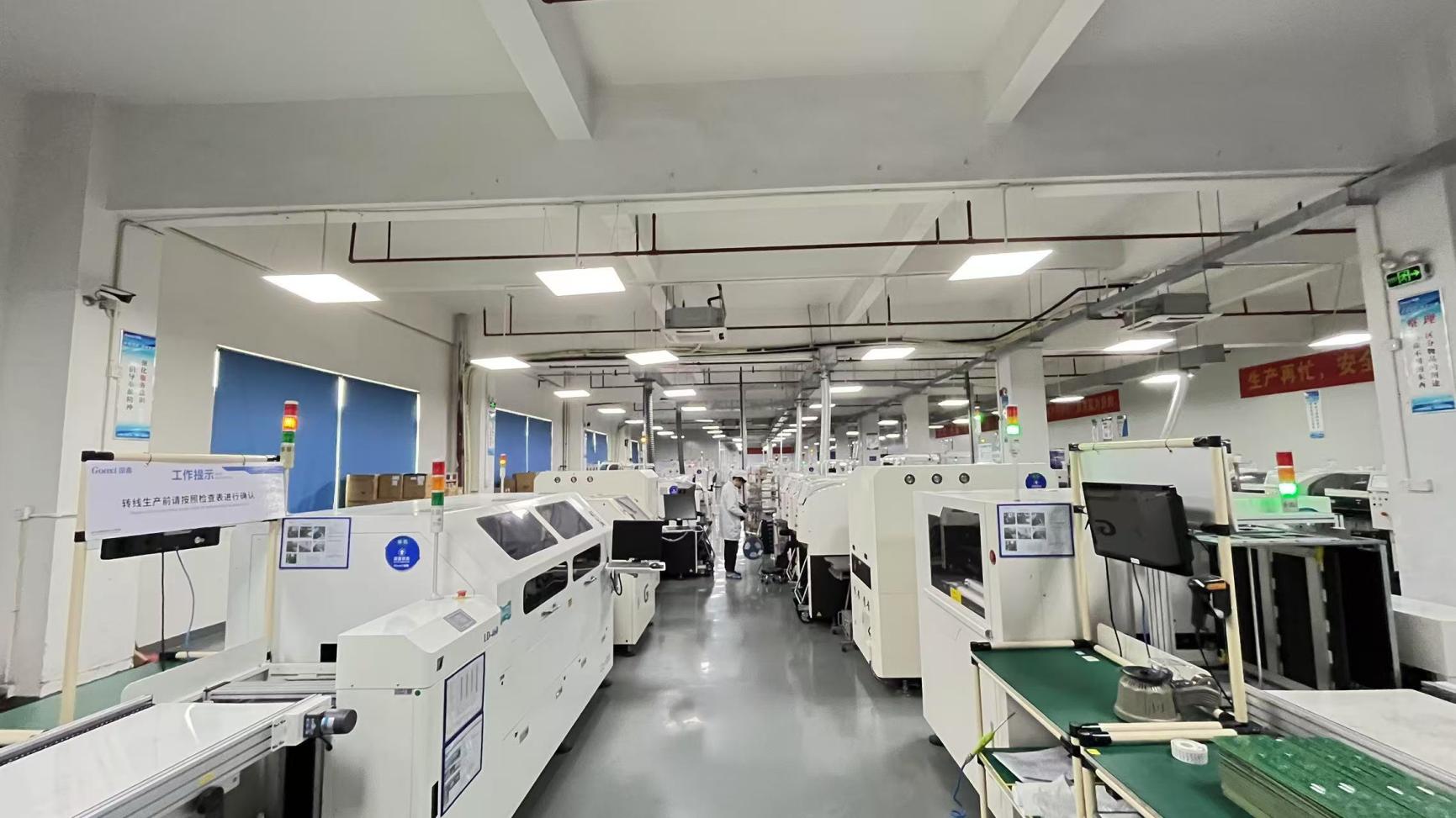

How our combined product lines of high-spec boards, memory chips, and custom coolers solve integration problems in the Greater Tokyo Area.
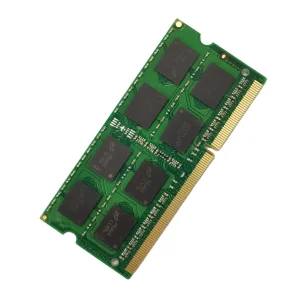
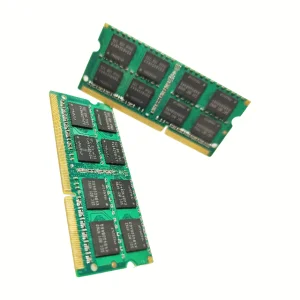
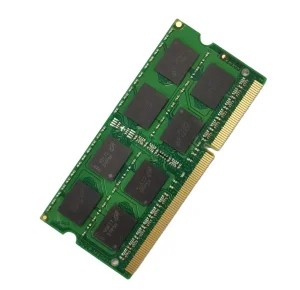
Tokyo's precision factories rely on small form factor industrial controllers. Integrating low-profile DDR4 SO-DIMMs alongside embedded boards (like the Rockchip RK3588S) provides the reliable computing capability required for machine vision, real-time pick-and-place control, and multi-axis synchronizations.
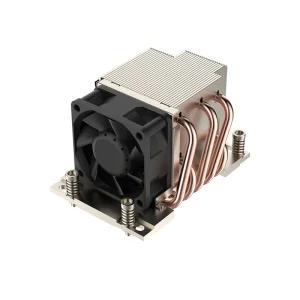
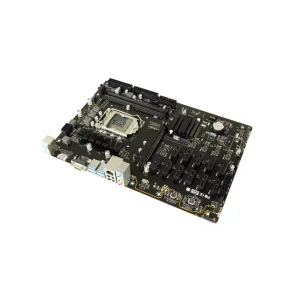
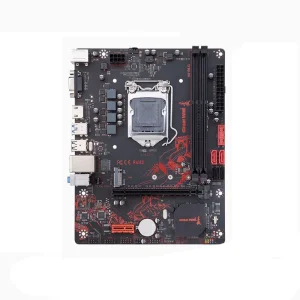
Infrastructure networks utilize server rooms built on older Intel Socket structures and classic chipset builds (like H81 or B250). Sustaining these setups requires highly reliable replacement DDR4 ECC Registered modules and high-wattage active thermal systems (like the AMD SP6 350W cooler) to prolong operational lifetimes.
Interactive displays throughout Tokyo’s transit systems utilize compact motherboards (e.g., LGA1700 H610 series) equipped with reliable DDR4 RAM. These systems operate 24/7 in non-climate-controlled environments, requiring components with strict high-temperature resistance profiles.
Explore our full range of enterprise memory configurations, printed circuit board assemblies, and micro-architectural products.
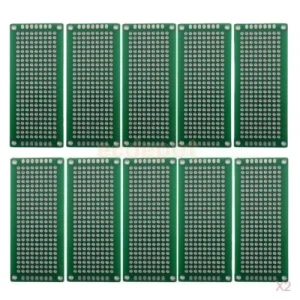
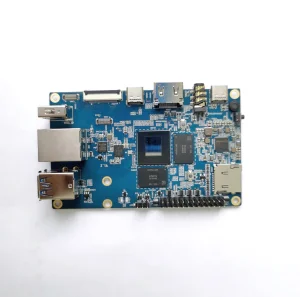
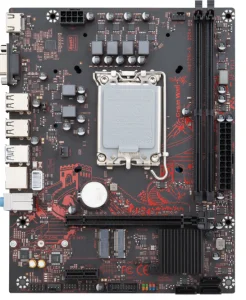
Technical information and supply chain procedures for procurement teams and system integrators targeting the Japanese market.
DDR4 remains highly efficient for legacy configurations, embedded industrial architectures, and standard communication switches. Upgrading to DDR5 requires redesigning motherboards to support on-board Power Management ICs (PMICs), which increases development and system costs. Sticking with DDR4 ensures lower component acquisition costs, standard 1.2V operation, and proven long-term reliability.
We maintain a 100% functional test rate utilizing automated optical testing (AOI), in-circuit testing (ICT), and system-level hot-room validation. Our testing parameters verify timing margins under simulated operating temperatures, ensuring stability for 24/7 industrial deployments.
Yes. Vorynex supports custom JEDEC/XMP profiling, alternative thermal dissipation plates, and specialized board layouts (such as 4-layer or 6-layer structures using KB6160 FR4 materials) to match the dimensions and performance profiles of your system enclosures.
For standard components, lead times average 10–15 business days from order placement. Our logistics department coordinates shipping routes directly to the Tokyo Metropolitan Area, handling export filings and compliance documentation to streamline clearance processes at Yokohama and Tokyo ports.
Yes, we manufacture both unbuffered and registered ECC modules in the SO-DIMM format (small outline). These are designed for rugged, industrial single-board computers and edge platforms requiring high error tolerance in compact setups.
Optimize your Tokyo-bound hardware supply chain with customized, high-reliability memory modules and support components.
Send Inquiry Now Vorynex