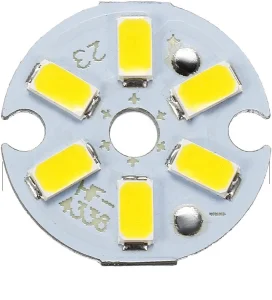
Engineered to support European smart grid standards, high-power LED arrays, and robust energy systems.
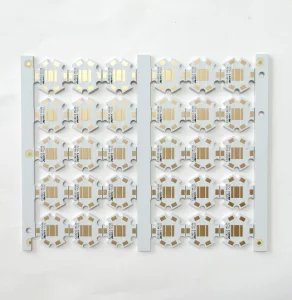
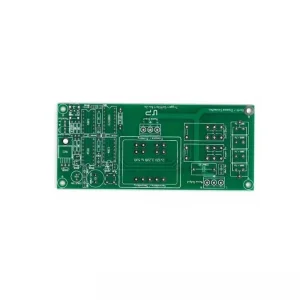
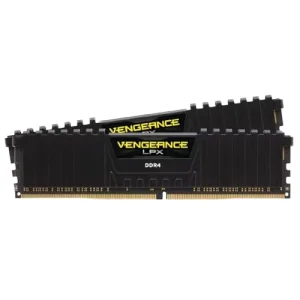
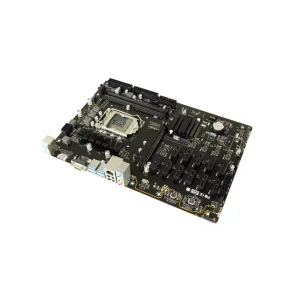
Belgium is historically recognized as an early adopter of advanced industrial engineering and sits strategically at the heart of Europe’s logistics network. In Flanders, Wallonia, and the Brussels-Capital Region, tech innovation centers are shifting rapidly toward sustainable, high-power electronics systems. This transition is fueling a strong localized demand for metal core printed circuit boards (MCPCBs), particularly aluminum-based subcomponents, driven by four distinct regional trends:
Belgian municipalities are upgrading public lighting networks to high-efficacy LED installations to meet carbon reduction goals. Aluminum PCBs act as the vital cooling spine for high-lumen, high-voltage streetlights, dispersing thermal loads efficiently to extend components' lifespan to over 50,000 hours.
As Belgium expands its public electric vehicle (EV) charging grid along the E40 and E19 transport corridors, power conversion modules require substrates capable of sustaining peak electrical stress. Aluminum-backed circuits prevent thermal runaway inside high-amperage AC/DC rectifiers and step-down converters.
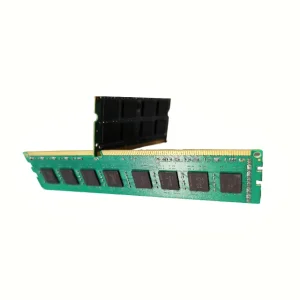
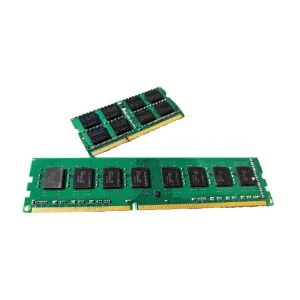
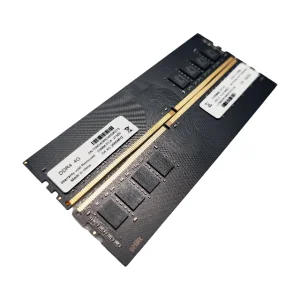
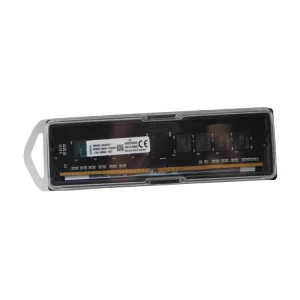
Brussels and Antwerp house sprawling colocation data centers that require energy-efficient cooling solutions. The interface between hardware accelerators, GPU clusters, and high-performance DDR5/DDR4 memory architectures relies on specialized thermal relief designs to sustain 24/7 calculations without degradation.
For Belgian procurement teams, sourcing directly from a vertically integrated factory ensures an optimal balance of cost, customizability, and engineering rigor. Our production pipeline meets CE compliance and REACH/RoHS requirements, ensuring smooth customs processing at Antwerp and Zeebrugge ports.
Understanding the physics of heat dissipation in Metal Core PCBs compared to standard glass-epoxy (FR4) substrates.
To withstand the rigorous thermal demands of modern automotive and high-power LED systems, we utilize a composite stack comprising a copper foil layer, a highly thermal conductive dielectric isolation layer, and a structural metal base layer. The key differentiator in our high-end Aluminum PCBs is the proprietary dielectric layer, which offers thermal impedance values as low as 0.05 °C*in²/W.
| Substrate Parameter | Standard FR4 | Standard Aluminum PCB | Advanced High-Thermal MCPCB |
|---|---|---|---|
| Thermal Conductivity | 0.25 W/m-K | 1.0 - 2.0 W/m-K | 3.0 - 8.0 W/m-K |
| Dielectric Breakdown Voltage | ~40 kV/mm | > 3 kV AC (up to 6 kV) | > 8 kV AC |
| Coefficient of Thermal Expansion (CTE) | 14-17 ppm/°C | 22 ppm/°C | 16 ppm/°C (optimized alloys) |
| Maximum Working Temperature | 130 °C | 150 °C | 180 °C - 200 °C |
| Base Metal Thickness Options | N/A | 0.6mm - 1.5mm | 0.8mm - 3.0mm (Alloy 5052/6061) |
The choice of alloy dictates mechanical stability. For standard LED arrays, we utilize Alloy 1100 due to its excellent thermal profiling and ductility. For structural integrity, especially inside vibrative environments like automotive engines or industrial wind turbines near the Belgian coast, we employ Alloy 5052 and 6061, which deliver superior shear strength and structural rigidity.
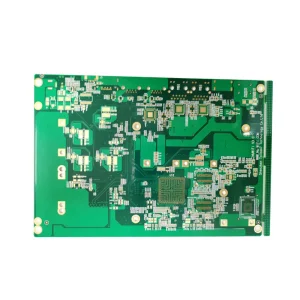
High-grade system controllers, double-sided designs, and custom flexible circuits for advanced automation.
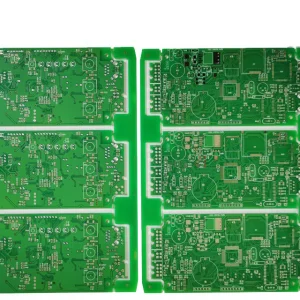
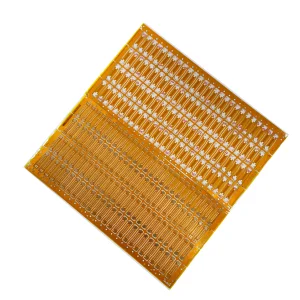
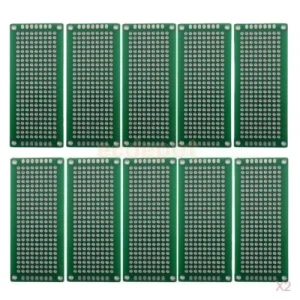
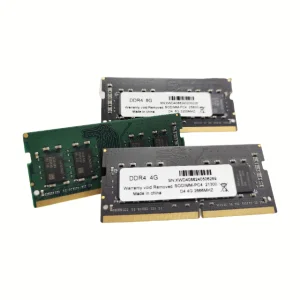
Fusing high-density memory architecture with advanced mechanical substrates for the global market.
Under our unified brand, Vorynex Memory Technology (China) Co., Ltd., we maintain a highly specialized design and engineering presence. Originally established in 2016, our facilities have continually evolved to address the strict hardware requirements of system integrators across Europe, North America, and Southeast Asia. Today, we bridge the gap between high-speed signal processing components and rugged mechanical assemblies.
Our quality control system operates on a zero-tolerance defect framework. Each circuit board and memory module undergoing production is subjected to structured testing procedures, including:
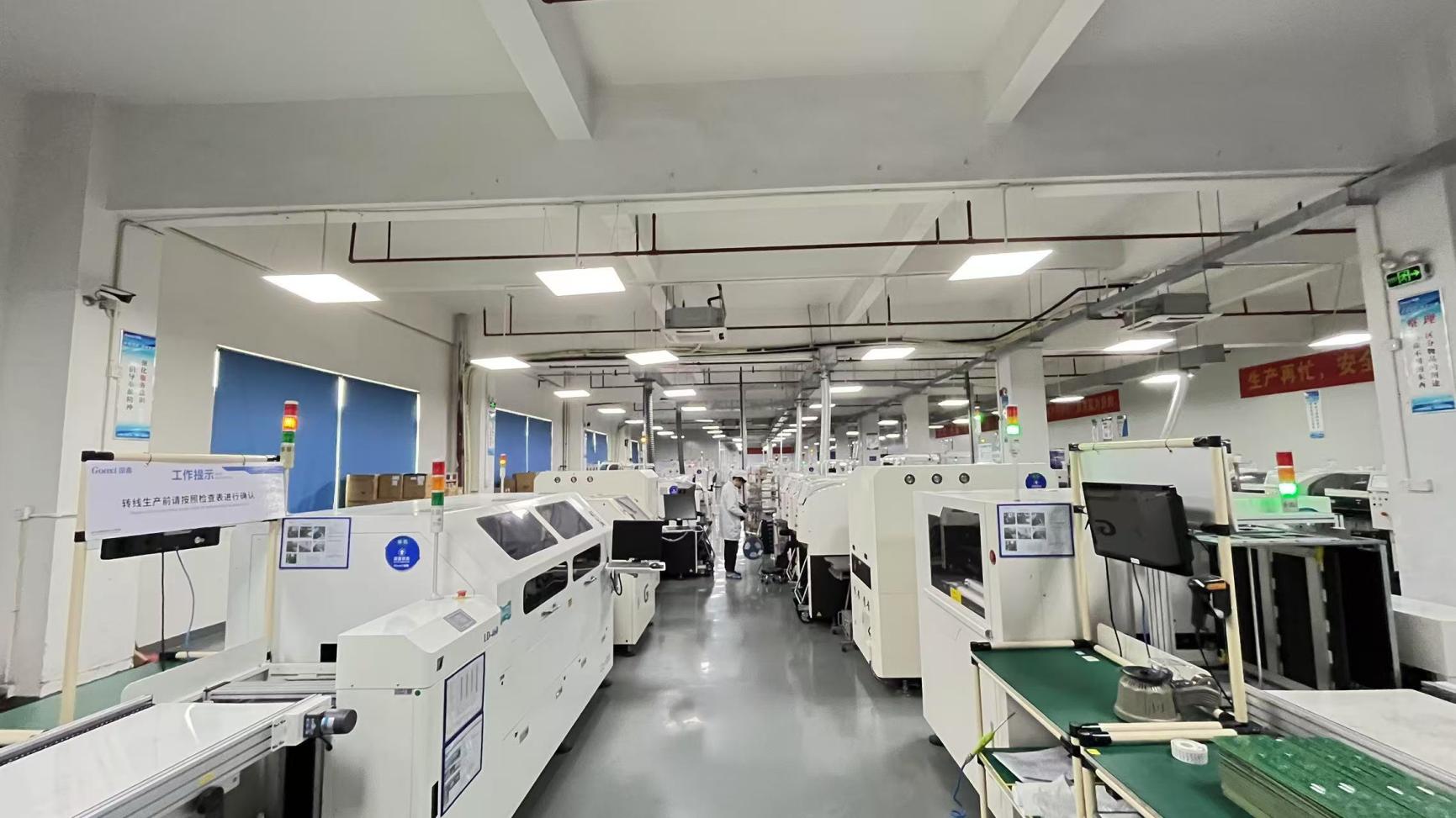
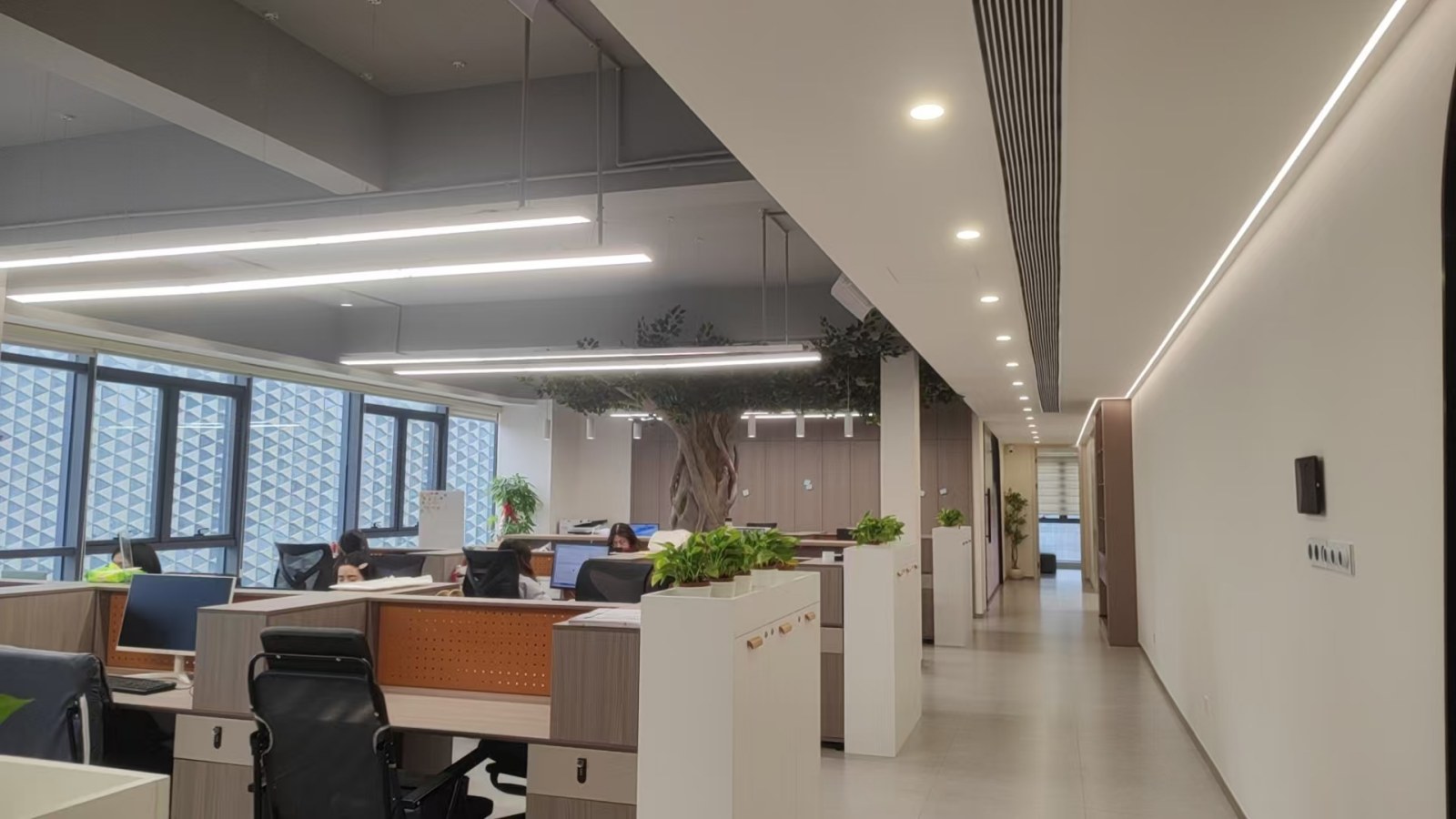
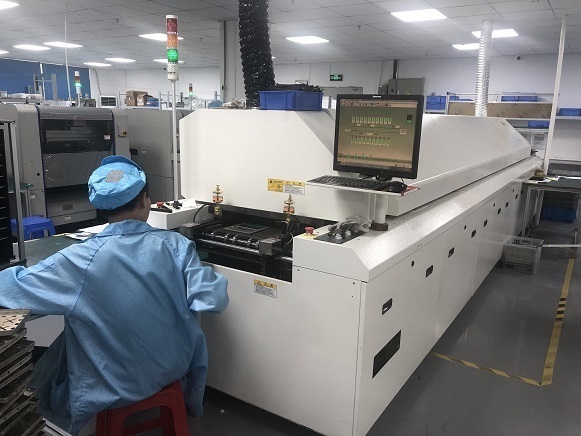
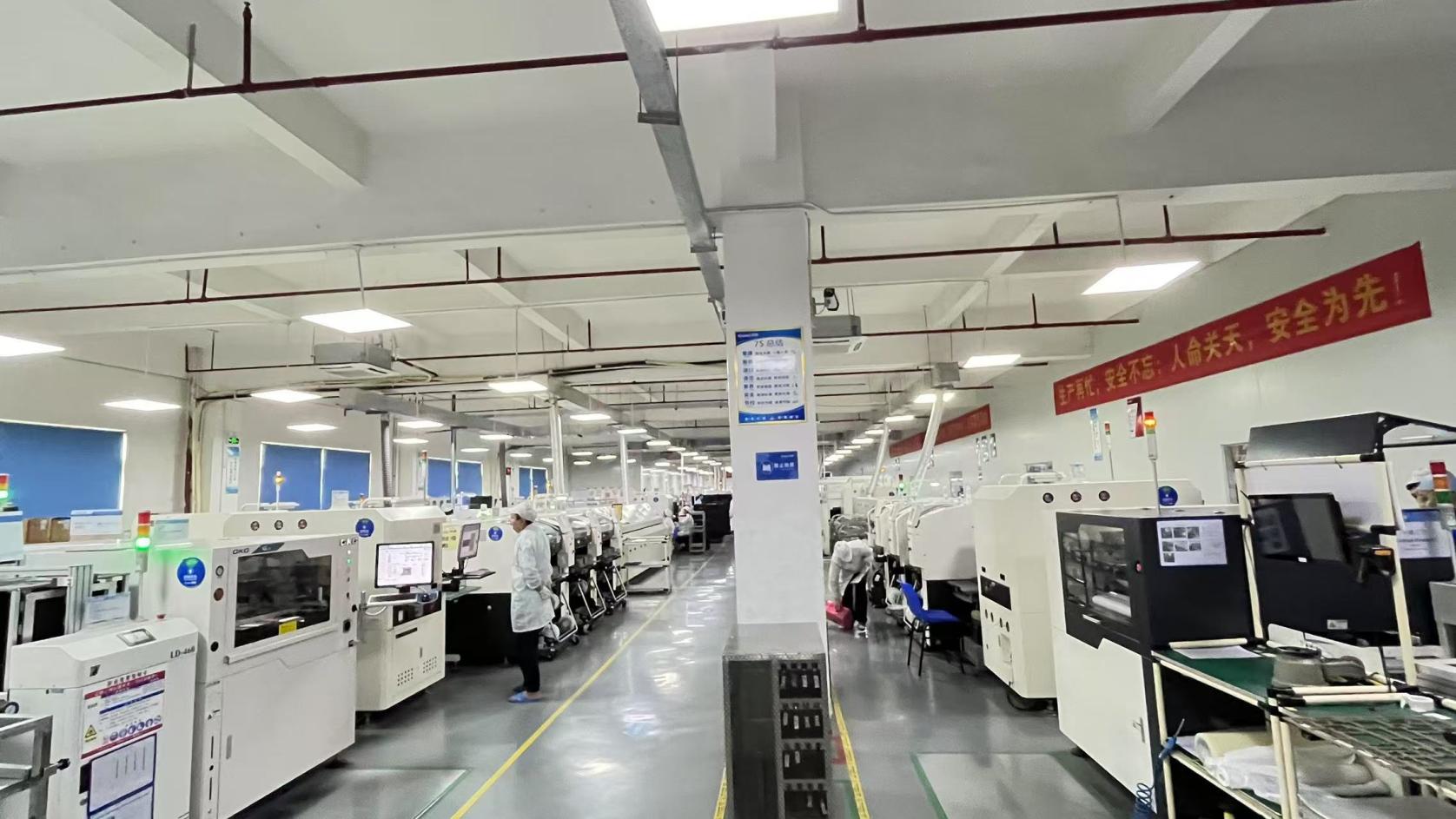
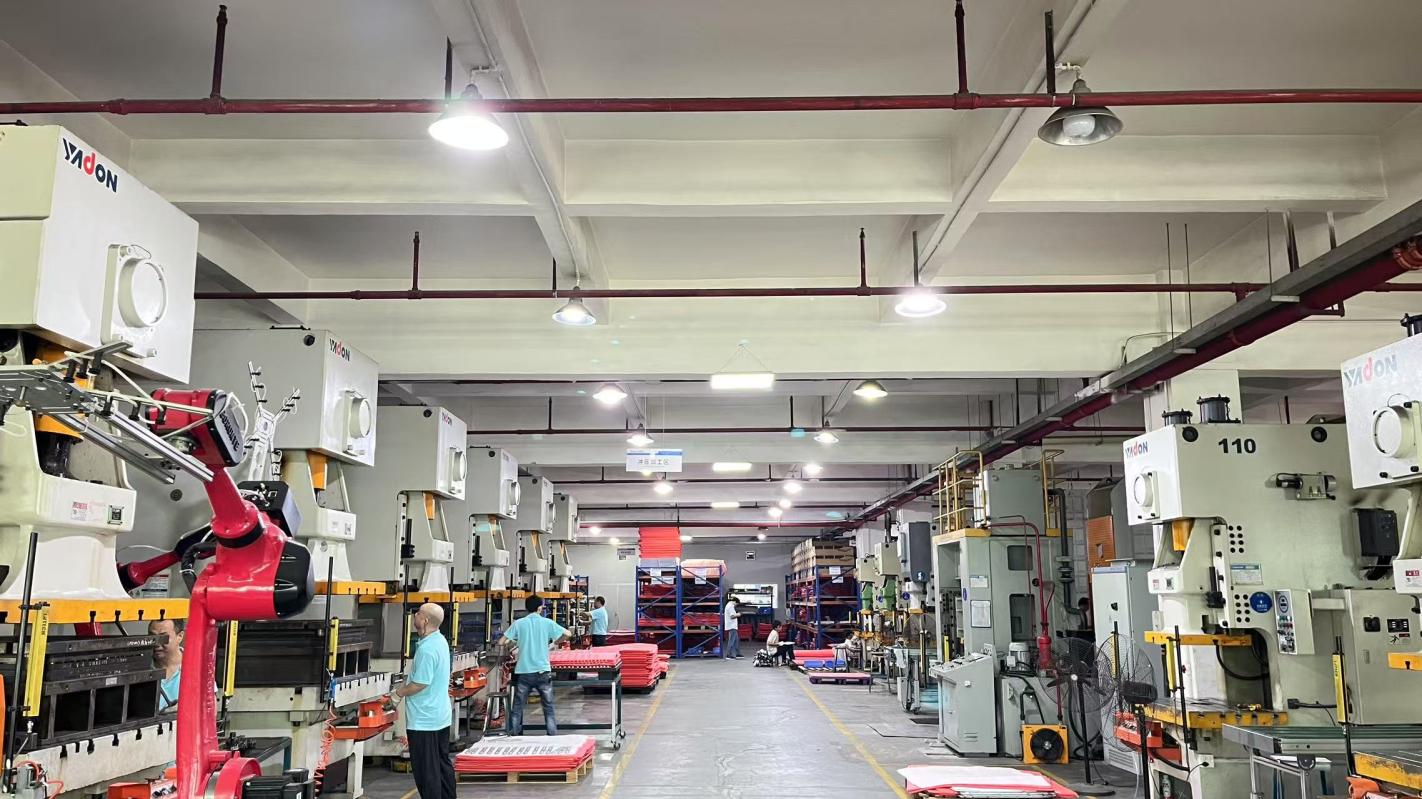
Fulfilling industrial orders within the Belgian territory requires more than overseas manufacturing. It calls for structured regulatory compliance and strategic transport links to lower overall lead times and total cost of ownership (TCO).
We guarantee 100% RoHS compliance, REACH tracking, and Conflict Minerals reporting. This aligns your operations with the Belgian Federal Public Service Health, Food Chain Safety, and Environment mandates, ensuring full legal peace of mind.
Our logistical frameworks support direct ocean transport to the Port of Antwerp-Bruges and priority air freight to Brussels Airport or Liège Airport. We handle full export clearances, minimizing delays at customs entry points.
Engineers from Ghent, Leuven, or Liège can collaborate directly with our design desks. We provide rapid DFM feedback on your Gerber files, identifying trace width deviations, solder mask gaps, or thermal via positions before production starts.
As we approach 2026, our technical roadmap features advancements in high-conductivity materials. We are developing ultra-thin dielectric layers (under 50 microns) that retain 6kV isolation ratings while boosting thermal throughput. This helps designers of compact high-performance systems reduce physical space requirements without risking thermal failure.
Detailed technical insights for sourcing engineers and procurement professionals operating in Belgium.
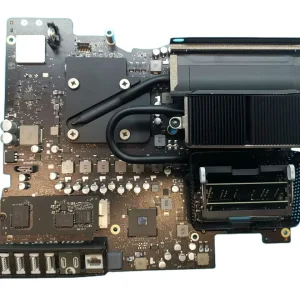
Highly stable components for edge computing, automation, and consumer electronics applications.
Get in touch with our design engineers for direct factory support, DFM checks, and competitive volume pricing tailored for the Belgian market.
 Vorynex