High-reliability controllers and critical components supporting UVC disinfection systems, fluid treatment arrays, and industrial server monitors in the UK market.
In the domain of optical sanitation, wavelength specificity dictates germicidal efficacy. Traditional mercury-vapor lamps emit primarily at 253.7nm. However, molecular photobiology indicates that the peak absorption of DNA and RNA in pathogens—including resistant strains like Cryptosporidium, C. difficile, and SARS-CoV-2 variants—occurs precisely between 260nm and 270nm, with the absolute peak centered around 265nm.
When microorganism nucleic acids are exposed to 260nm-270nm light, the energy induces adjacent thymine (in DNA) or uracil (in RNA) bases to dimerize. These pyrimidine dimers block transcription and replication, rendering the cell sterile and non-pathogenic. Utilizing AlGaN (Aluminum Gallium Nitride) semiconductor physics, our 3535 UVC LEDs target this peak, providing up to 30% greater germicidal power per milliwatt compared to traditional low-pressure mercury sources.
| Parameter Profile | Specification Range (3535 Package) | UK Target Applications |
|---|---|---|
| Peak Wavelength | 260nm - 270nm (265nm optimized) | Municipal Water treatment / Laboratory Decontamination |
| Forward Voltage (Vf) | 5.0V - 7.5V | Low-voltage DC industrial arrays |
| Optical Output Power | 10mW - 15mW @ 100mA / 30mW - 50mW @ 350mA | High-flow dynamic liquid disinfection modules |
| Thermal Resistance (Rth) | < 4.5 °C/W (AlN Ceramic Substrate) | Enclosed HVAC modules with tight thermal dissipation |
| Beam Angle | 60° (Quartz glass dome lens) / 120° (Flat window) | Surface sweep scanners / Localized fluid chambers |
The 3535 footprint (3.5mm x 3.5mm) represents the industry standard in high-power integration. With an Aluminum Nitride (AlN) ceramic substrate characterized by high thermal conductivity, these packages efficiently dissipate the heat generated by the low External Quantum Efficiency (EQE) typical of UVC devices. Encapsulated with a high-transmittance quartz lens, they resist solarization, ensuring sustained optical output throughout their lifespan.
The UK commercial and municipal landscape is undergoing a transition from chemical and mercury-based sterilization systems to green, solid-state solutions. Under the Minamata Convention on Mercury, the UK government has implemented strict phases to eliminate mercury-added products. This regulatory change directly impacts domestic water treatment facilities, NHS healthcare environments, and commercial real estate operations across the UK.
Furthermore, standard water purification networks—managed by utilities like Thames Water, Severn Trent, and Scottish Water—are seeking robust point-of-use (POU) and point-of-entry (POE) treatment units. These systems utilize 260nm-270nm 3535 UVC arrays to mitigate biological threats without generating disinfection by-products (DBPs) like trihalomethanes, ensuring compliance with the UK Drinking Water Inspectorate (DWI) regulations.
In the public transport and health sectors, London Underground systems and NHS hospital environments utilize automated disinfection equipment. The compact design of the 3535 UVC LED allows it to be integrated into portable surface sterilizers, laboratory biosafety cabinets, and centralized HVAC units to address airborne pathogens.
Current R&D focusing on optimizing AlGaN multi-quantum well (MQW) layers. Our target is to push the External Quantum Efficiency (EQE) past 10% in mass production by 2026, delivering high optical power from a compact 3.5mm footprint.
Integrating digital drivers and optical feedback sensors directly onto the ceramic module. This enables real-time dosage monitoring and adaptive power scaling, managed via industrial communication buses.
By leveraging advanced metal-bonding and stress-relaxation layer techniques, we are extending the L90 operating life to exceed 25,000 hours at 350mA drive current, reducing maintenance cycles in municipal systems.
How our 260nm-270nm 3535 UVC LED platforms adapt to major UK industrial and commercial system topologies.
Integrated arrays mounted inside polished stainless-steel reactor chambers. Utilized for municipal bypass loops, beverage production plants, and ultra-pure water systems in UK pharma labs. Requires high radiant flux (30mW+ per node) and quartz glass domes for maximum penetration depth.
Modules arrayed in HVAC mixing boxes and filtration racks to neutralize airborne viruses. Designed for UK public offices and NHS trusts to control pathogens. Built on customized metal-core PCBs (MCPCB) for optimized heat extraction into the moving airstream.
Targeting surface contaminants on high-speed sorting belts and food processing lines. These modules deliver high-intensity pulses to kill pathogens like Salmonella and Listeria, ensuring compliance with UK Food Standards Agency (FSA) guidelines.
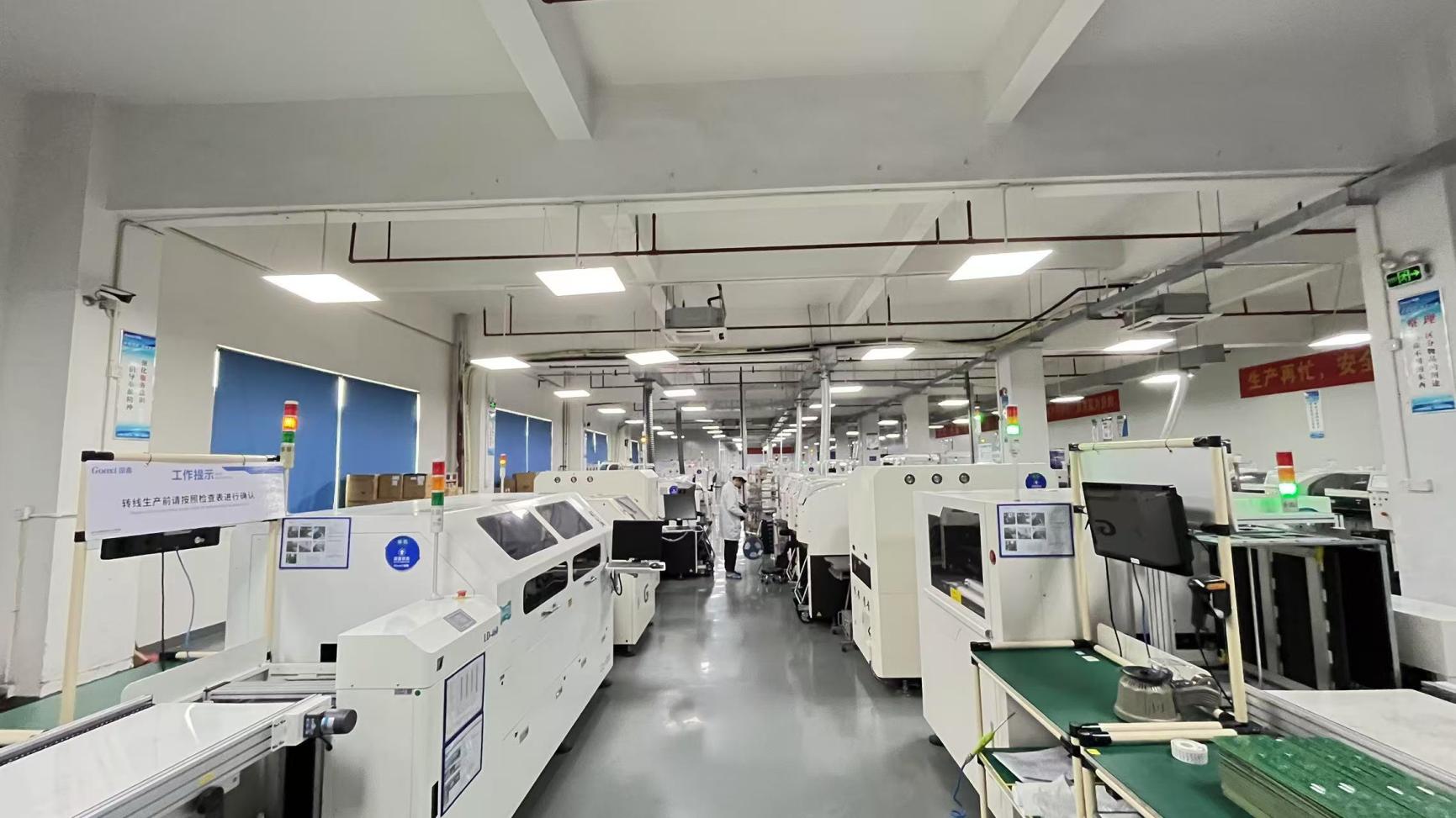
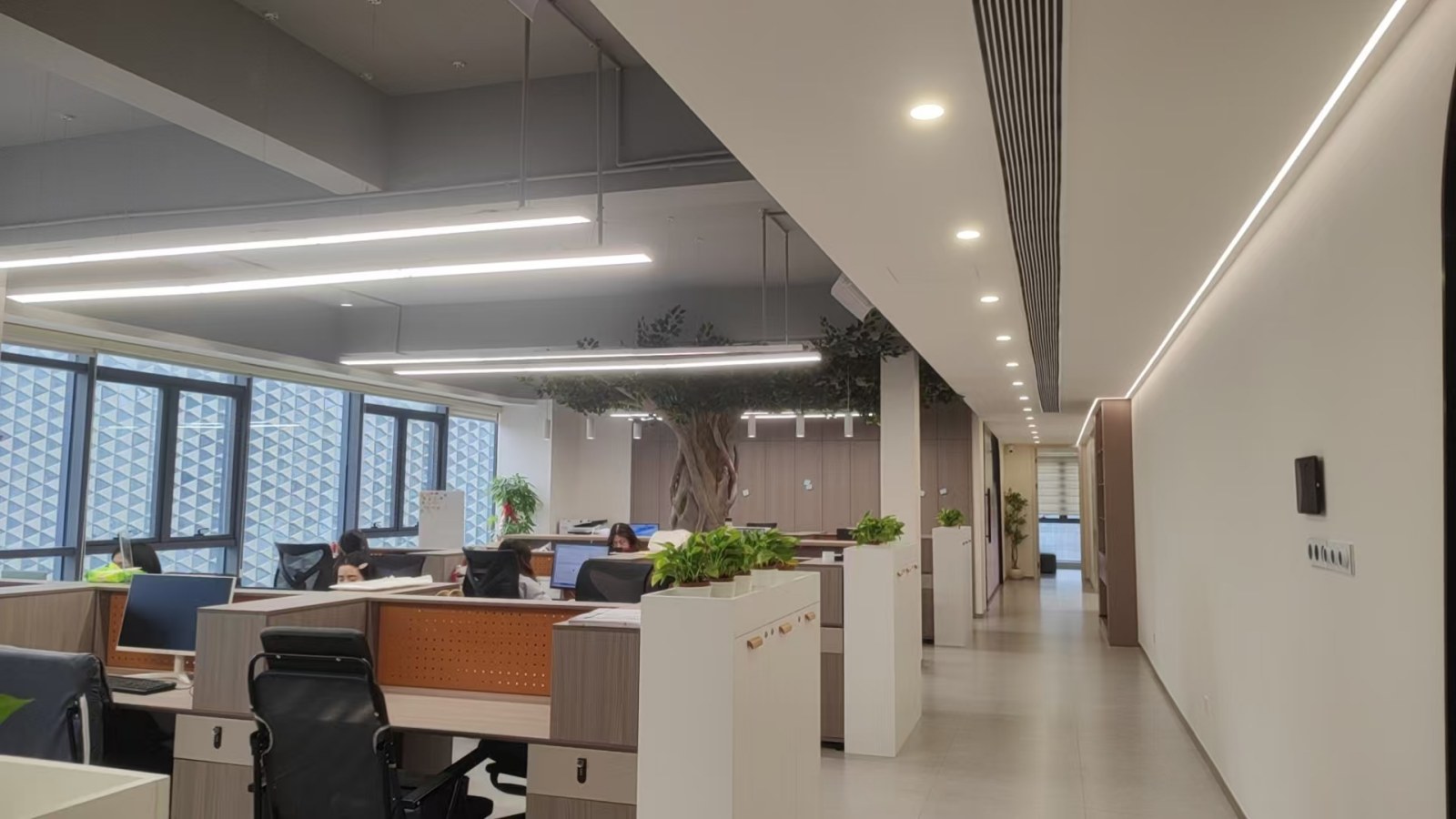
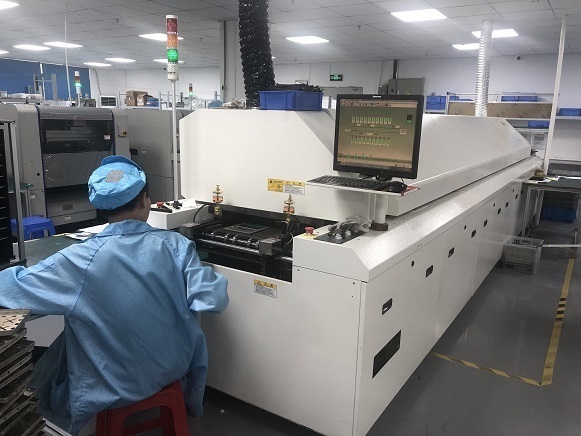
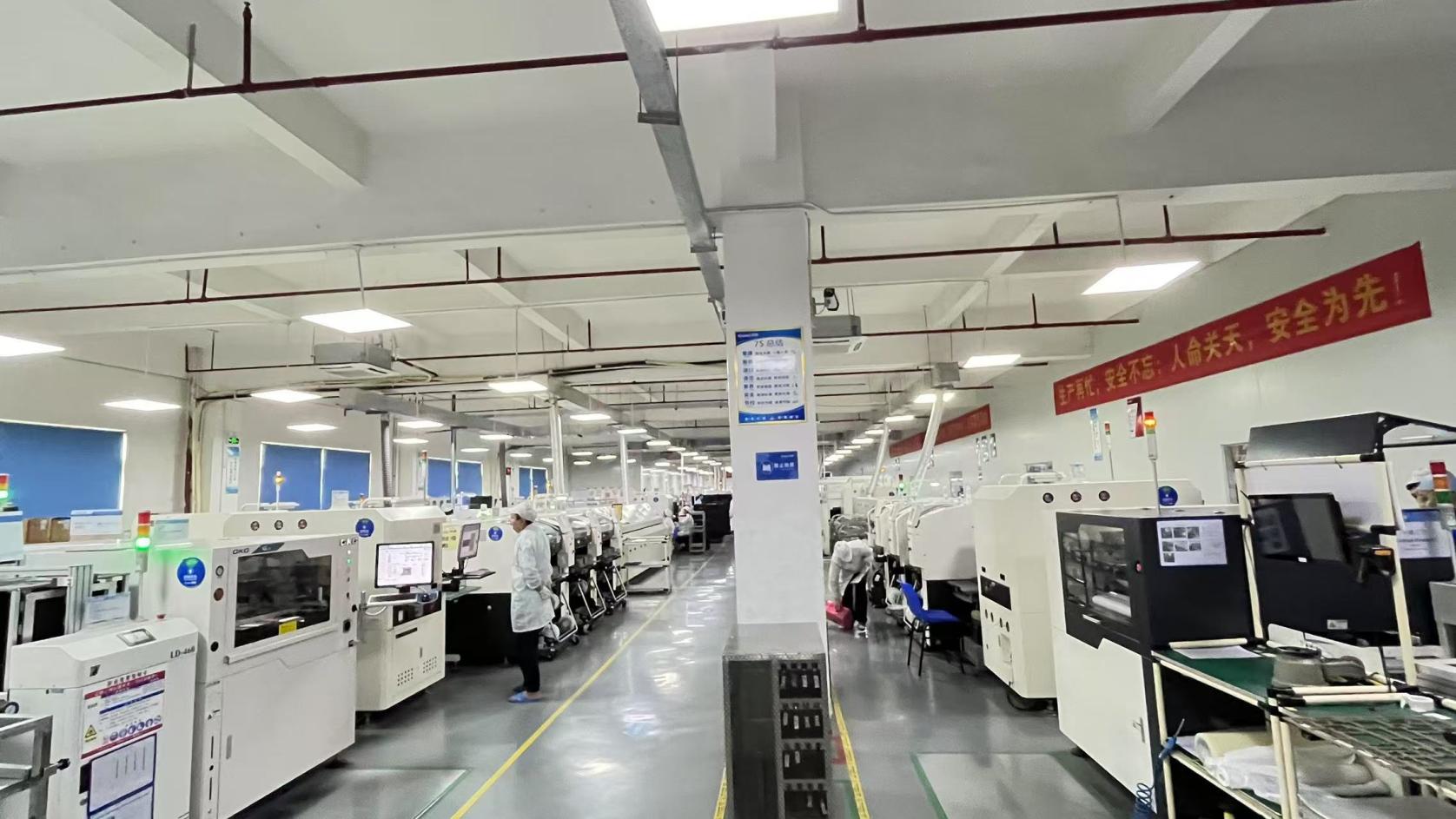
Vorynex Memory Technology (China) Co., Ltd. applies high-precision semiconductor assembly and SMT practices to high-output optoelectronics production.
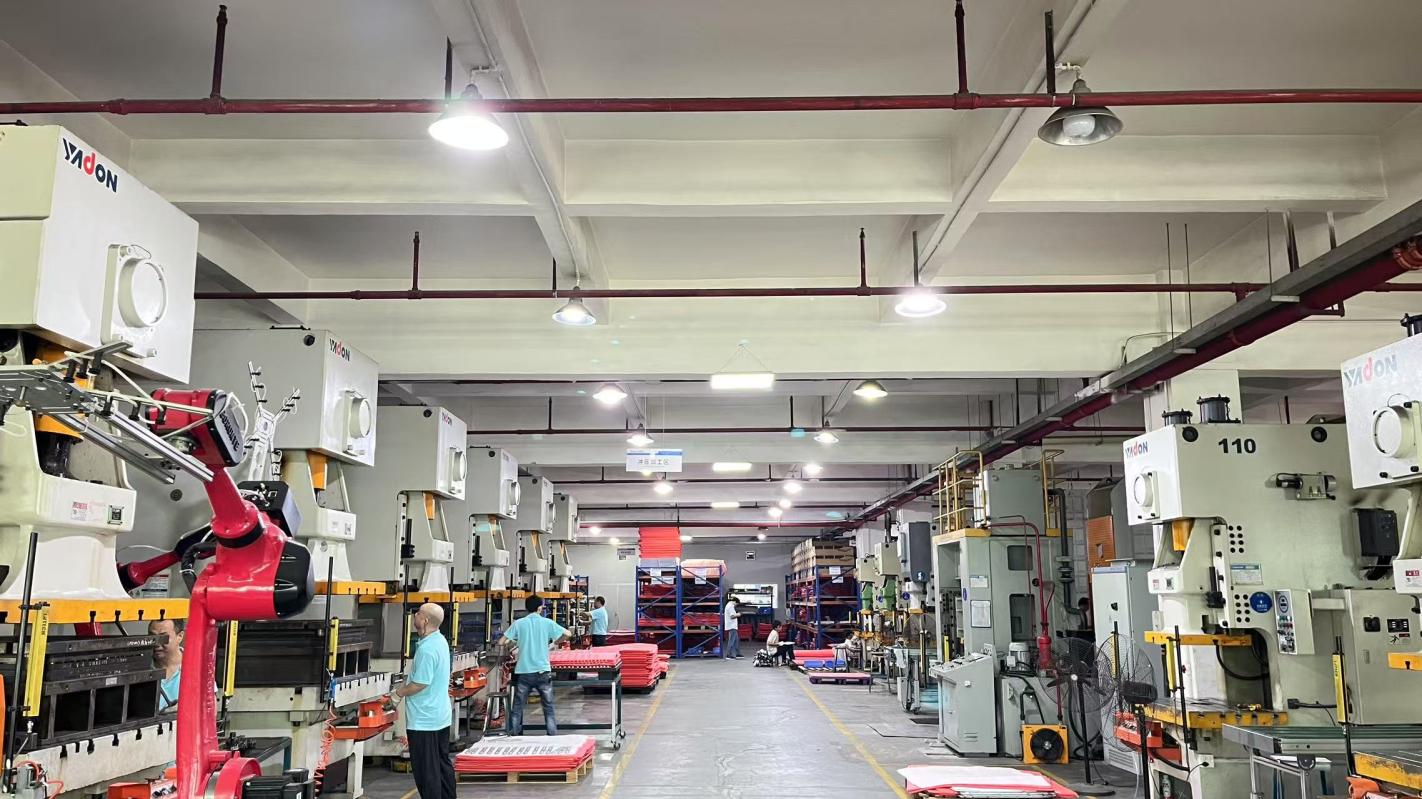
Established in 2016, Vorynex has developed robust manufacturing and engineering capabilities over the years. Operating from an advanced facility, we leverage over 12 years of industry experience in high-precision semiconductor packaging, memory assembly, and optoelectronic manufacturing.
Our facility generates an annual export revenue of approximately USD 12 million, supported by 6 years of global export experience. We serve key markets across the UK, Europe, and North America. Vorynex collaborates with more than 1,200 supply chain partners, enabling stable procurement of wafers, DRAM dies, ceramic substrates, and raw opto-components.
We maintain strict quality control standards, including 100% functional testing, thermal stress testing, optical output mapping, and high-temperature burn-in protocols. Inspection processes leverage Automated Optical Inspection (AOI), In-Circuit Testing (ICT), and final system-level validation. The quality assurance team consists of 45 professional QC specialists ensuring consistent reliability.
Customization is fully supported. Backed by an engineering team of approximately 180 R&D engineers, we offer custom wavelength sorting, driver circuit co-design, custom MCPCB thermal layouts, and complete OEM/ODM optoelectronic sub-assembly development. In the past year, we developed and launched around 240 new product designs, meeting the requirements of industrial markets worldwide.
Navigating European and United Kingdom regulatory framework criteria for solid-state UVC deployments.
All components and custom controller boards meet UKCA (UK Conformity Assessed) and CE regulations. Complete technical files, electrical safety safety declarations, and electromagnetic compatibility compliance (BS EN 55015) are provided.
Certified in compliance with BS EN 62471 (IEC 62471), classifying UVC hazard categories to guide safe optical design and integration of control shielding for end-use industrial applications.
Excluding hazardous substances in manufacturing compliance. Our AlGaN dies, gold plating wire, copper cores, and quartz optics comply with REACH directives and UK RoHS requirements.
We handle direct shipping channels to distribution hubs in the UK (including London, Birmingham, Manchester, and Glasgow). We support multiple incoterms, including FOB, CIF, and DDP (Duties Delivered Paid), managing import procedures and customs duties locally to streamline delivery timelines.
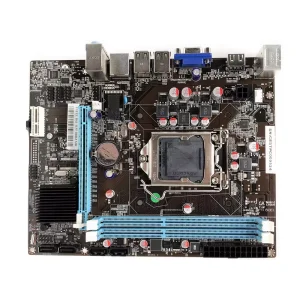
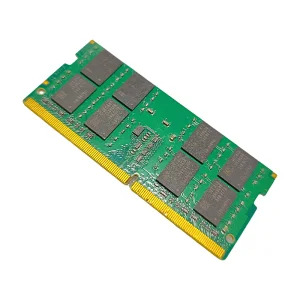
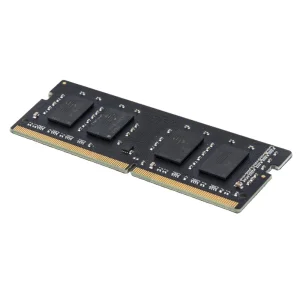
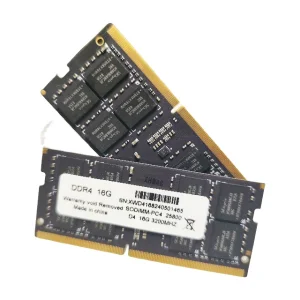
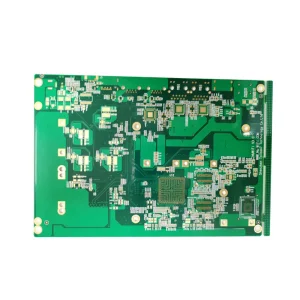
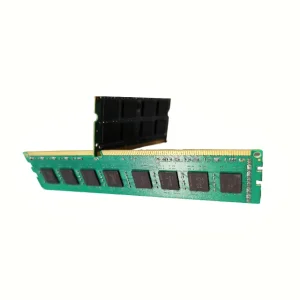
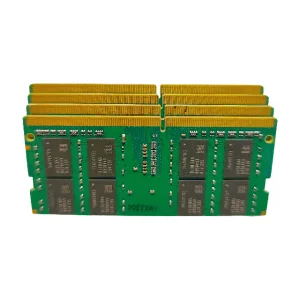
Industrial RAM, circuit boards, and memory configurations designed for deployment in high-reliability UVC systems, remote server farms, and central monitoring systems.
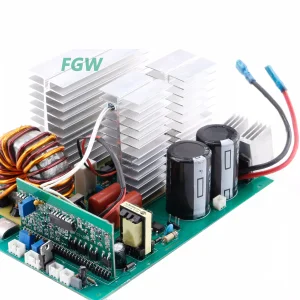
Crucial engineering information regarding 260nm-270nm UVC LED systems deployment in the UK.
Looking to integrate high-efficiency 260nm-270nm UVC LEDs into your UK municipal water, HVAC, or medical equipment? Contact our engineers for complete optical profiles, custom driver designs, and competitive pricing.
Send Inquiry Now Vorynex