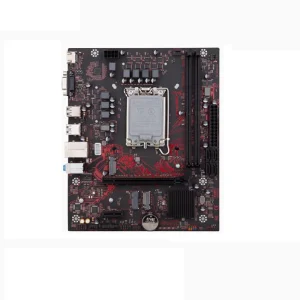
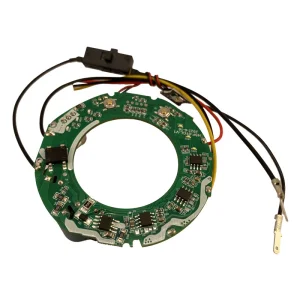
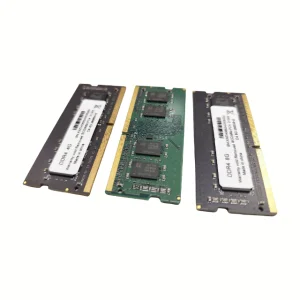
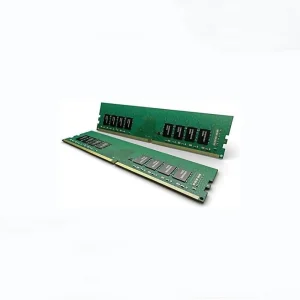
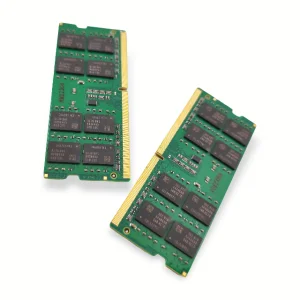
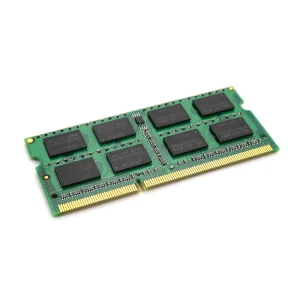
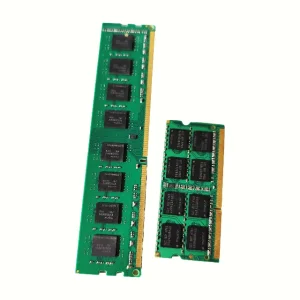
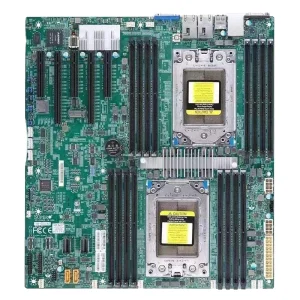
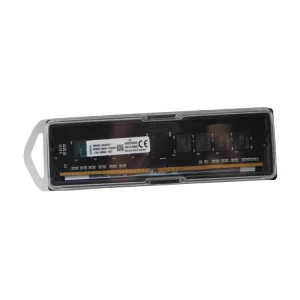
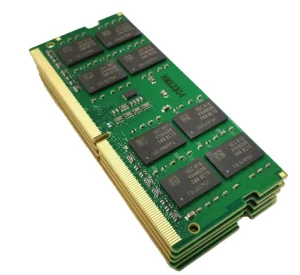
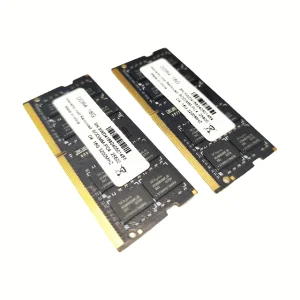
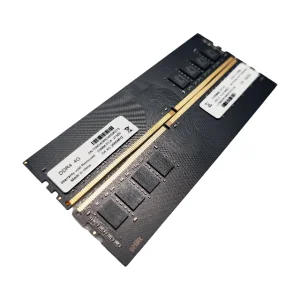
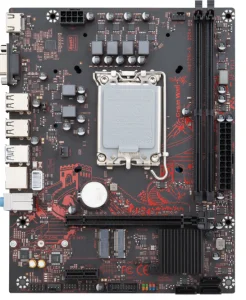
High-performance processing boards, memory modules, and custom PCB assemblies integrated with precise thermal substrates.
As computing density scales exponentially with the rise of artificial intelligence, high-performance computing (HPC), and 5G telecommunications, Thermal Interface Materials (TIMs) have transitioned from secondary packaging considerations to critical path system components. In high-power semiconductor assemblies, thermal interface resistance at the junction between active components (such as CPU, GPU, and DRAM dies) and dissipation structures (heat sinks, vapor chambers) represents the primary bottleneck in thermal management. Achieving low thermal impedance requires engineering custom materials that maximize contact area and eliminate microscopic air gaps.
Top China TIM manufacturers lead the market by delivering highly optimized formulations—including synthetic phase change materials (PCMs), high-viscosity thermal greases, silicone-free thermal pads, and carbon-based gap fillers. These materials offer exceptional thermal conductivity (extending from 3.0 W/m·K to over 15.0 W/m·K) while ensuring long-term reliability under thermal cycling and mechanical stress.
Eliminating interstitial micro-voids to lower overall contact resistance, allowing silicon dies to perform efficiently under sustained peak workloads.
Formulating diverse material matrices including phase change polymer alloys, carbon fibers, and boron-nitride-filled silicones.
Engineered for high-volume automated production lines, ensuring optimal viscosity for screen printing and precise placement.
Key drivers forcing the engineering and procurement shift toward high-performance materials in semiconductor and electronic assemblies.
The expansion of AI workloads raises typical rack power densities from 15kW to over 100kW. Conventional air-cooling systems are reaching their physical limits. Next-generation TIMs must interface with liquid-cooling cold plates, requiring high-stability non-curing compounds with low pump-out characteristics to prevent physical migration during intense thermal expansion cycles.
Silicone oil bleed-out represents a major failure mode in high-reliability industrial modules, aerospace avionics, and optical sensors. The industry is moving rapidly toward polyurethane and polyolefin-based polymer matrices that eliminate outgassing, ensuring zero volatile organic compound (VOC) condensation on adjacent sensitive microelectronic optics.
To push thermal conductivity beyond the isotropic limits of standard ceramic fillers, top China suppliers are developing vertically aligned carbon fiber (VACF) TIMs. These materials leverage the extremely high axial thermal conductivity of carbon structures to deliver values up to 30–50 W/m·K while maintaining low contact pressures.
| TIM Category | Conductivity Range (W/m·K) | Key Applications | Advantages | Challenges / Limitations |
|---|---|---|---|---|
| Phase Change Materials (PCM) | 3.0 – 8.5 W/m·K | AI Accelerators, High-end CPUs/GPUs | Resists pump-out; excellent wetting above phase shift temp | Requires pre-heating or controlled initial burn-in |
| Thermal Pads / Gap Fillers | 1.5 – 15.0 W/m·K | Power Electronics, Automotive EV Modules | Fills large, uneven tolerances; simple installation | Higher thickness limits minimal bond line thickness |
| Non-Curing Thermal Pastes | 4.0 – 12.5 W/m·K | Chipsets, Consumer PCBA Assembly | Ultra-low bond line thickness; minimal thermal path | Subject to dry-out and pump-out under thermal stress |
| Liquid Metal (Gallium-based) | 30.0 – 80.0 W/m·K | High-Performance Overclocking, Specialized HPC | Unrivaled heat transfer performance | Electrically conductive; risk of galvanic corrosion with Aluminum |
High-speed DDR5/DDR4 memory production, server motherboards, and PCBA manufacturing requiring top-tier thermal interface materials.
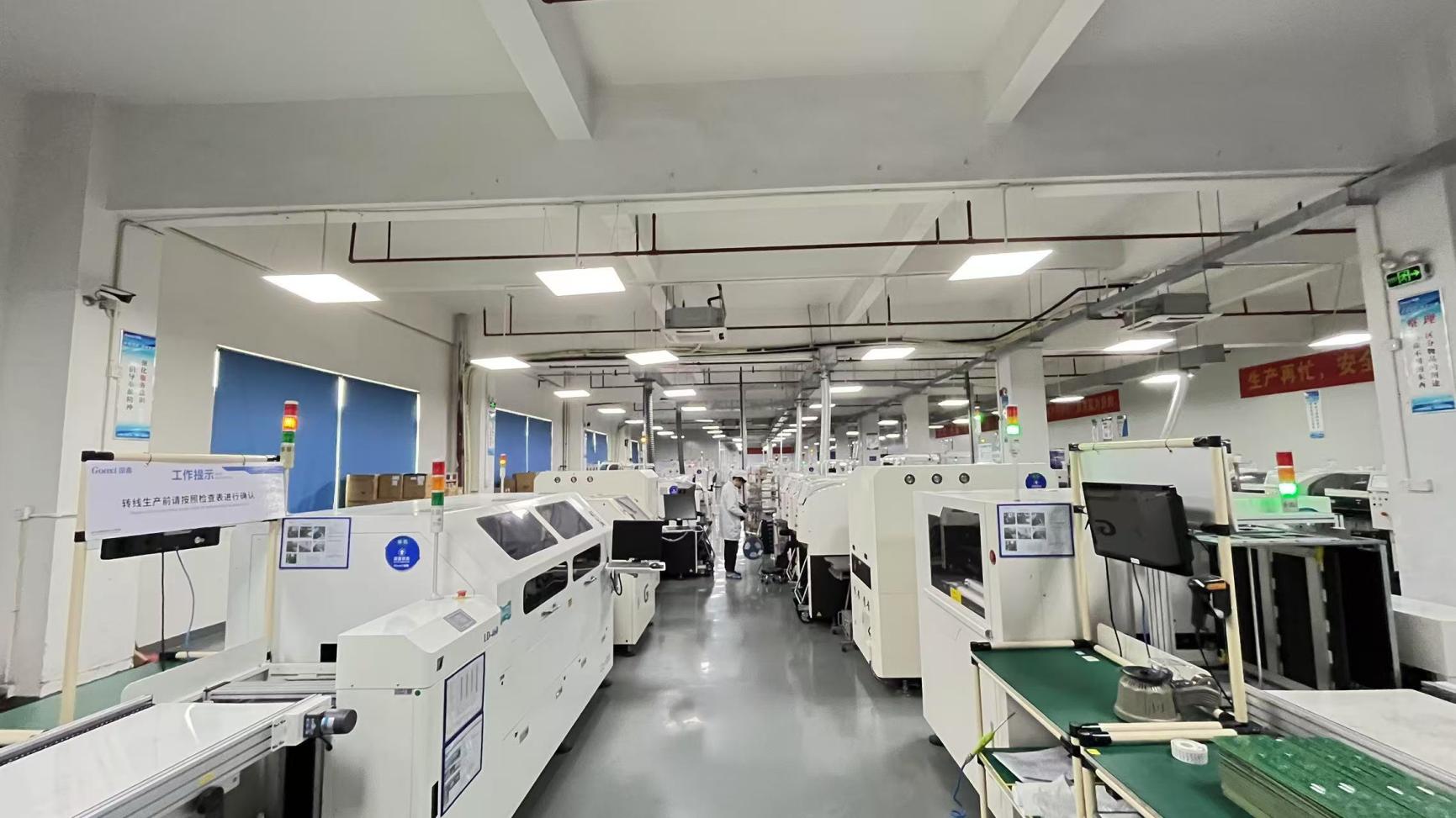
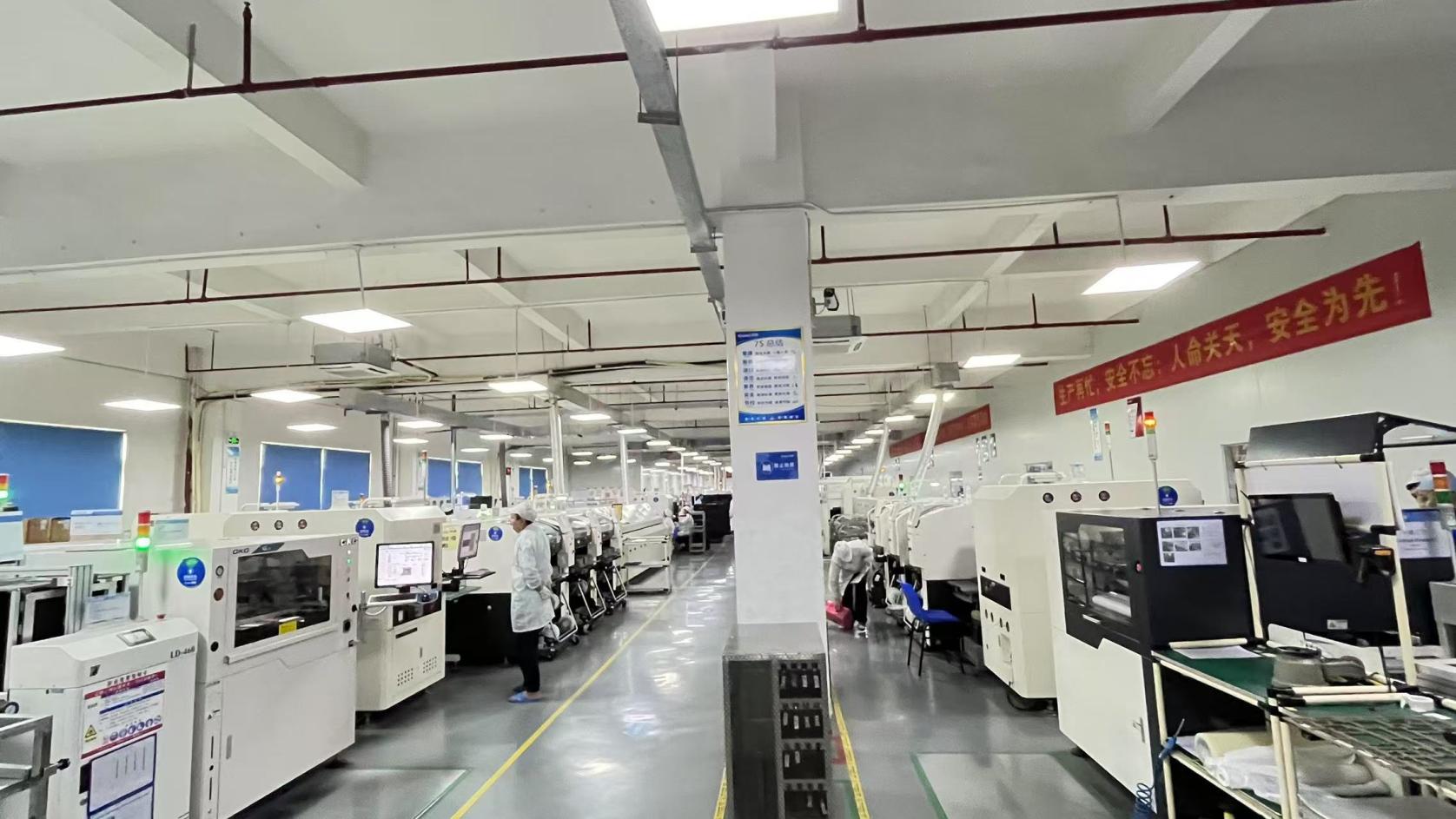
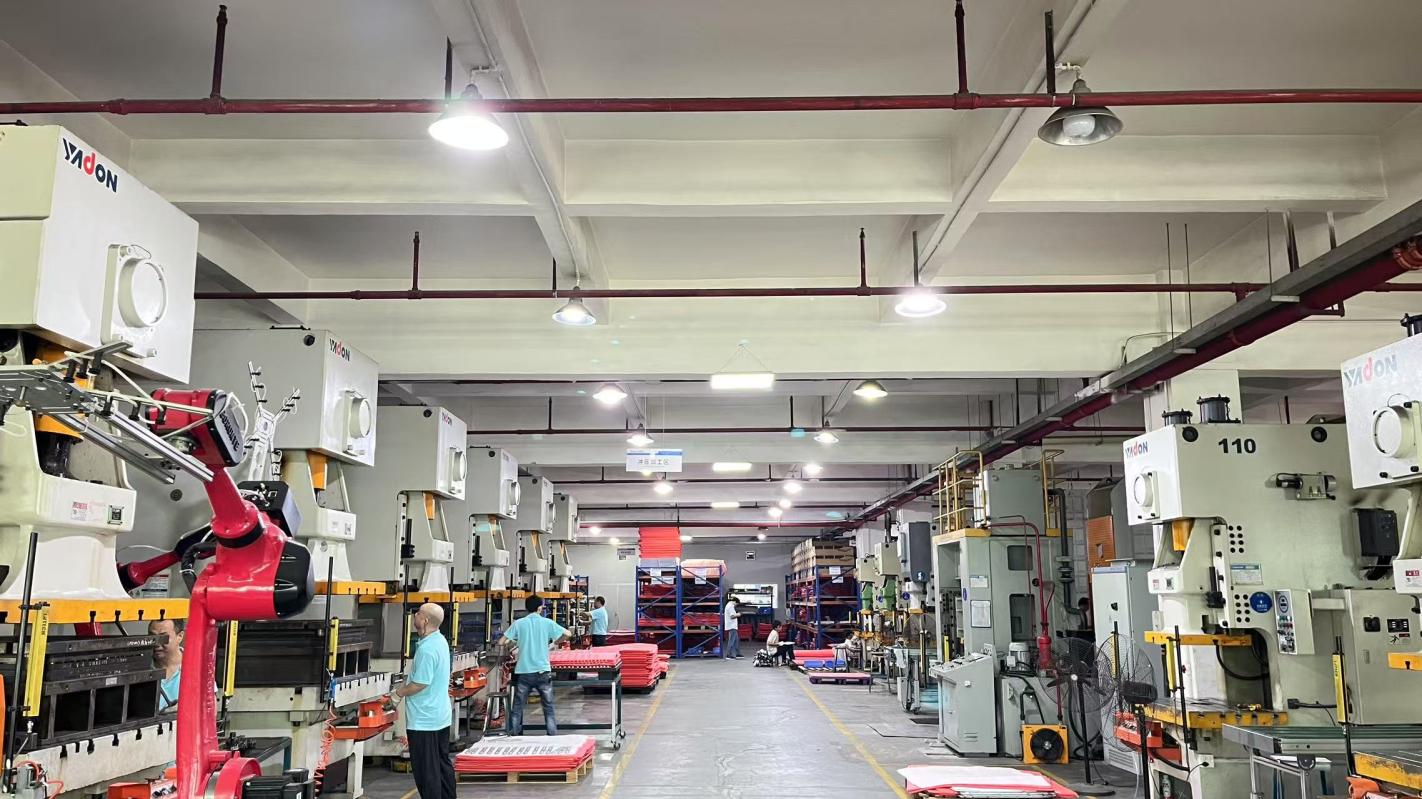
Vorynex Memory Technology (China) Co., Ltd. is a professional DDR5 memory manufacturer and OEM/ODM solution provider specializing in high-performance memory modules for global markets. Established in 2016, the company has developed strong manufacturing and engineering capabilities over the years. With a modern production facility covering approximately 320㎡, Vorynex focuses on delivering stable, high-speed, and energy-efficient memory solutions for gaming, industrial, and enterprise applications.
Because modern DDR5 and DDR4 memory modules operating at high frequencies (up to 6400MT/s and beyond) generate significant heat, Vorynex works closely with top China TIM manufacturers to apply advanced thermal pads and heat sinks on high-density modules. The company achieved an annual export revenue of approximately USD 12 million, supported by 6 years of export experience and over 12 years of industry experience in memory and semiconductor-related fields.
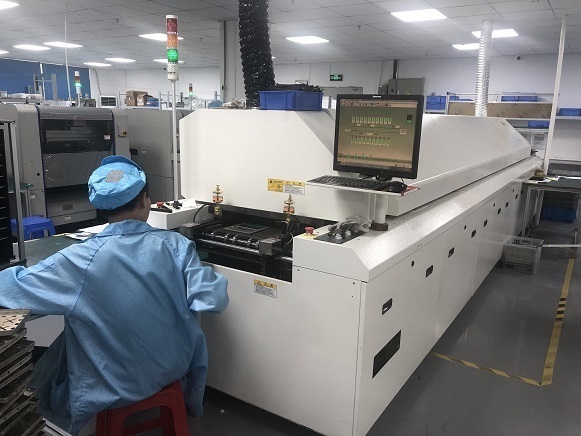
Vorynex maintains strict quality control standards, including 100% functional testing, aging tests, compatibility testing, and high-temperature stress testing. Product inspection methods include automated optical inspection (AOI), in-circuit testing (ICT), and final system-level validation. The quality assurance team consists of approximately 45 professional QC staff ensuring consistent product reliability.
Customization is fully supported, including frequency tuning, PCB design customization, heat sink design, branding (private label), and firmware optimization. In the past year, the company successfully launched around 240 new product models, covering DDR4, DDR5, and specialized industrial memory solutions.

Ensuring performance validation, environmental safety, and high-volume delivery consistency across international jurisdictions.
All raw thermal interface compounds and gap pads undergo ASTM D5470 test standards for thermal conductivity and contact impedance measurements, guaranteeing lab-verified metrics.
Strict adherence to environmental regulations limiting heavy metals, brominated flame retardants, and phthalates, matching strict European Union import guidelines.
Advanced aging chamber validations (High-Temperature Storage, Temperature Cycling, and Highly Accelerated Stress Testing - HAST) prevent phase separation and drying.
Get answers to critical technical questions regarding the application, verification, and performance of Thermal Interface Materials.
Discover additional memory chips, dual-channel server boards, and memory modules optimized for high-performance computing.
 Vorynex