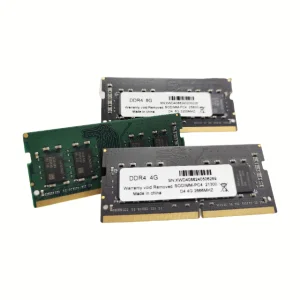
High-reliability logic boards, memory modules, and specialized drivers engineered for collaborative robotics control units.
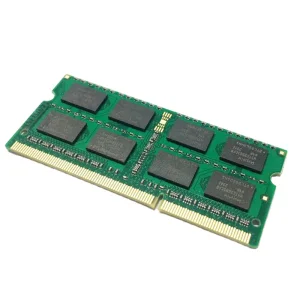
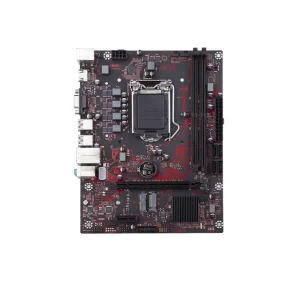
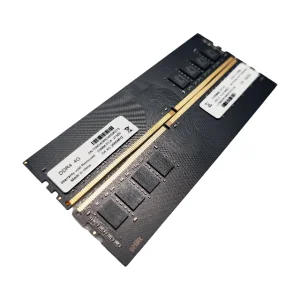
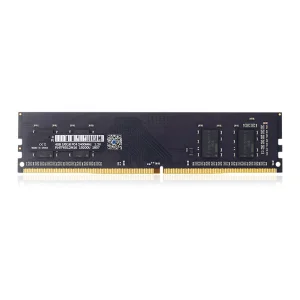
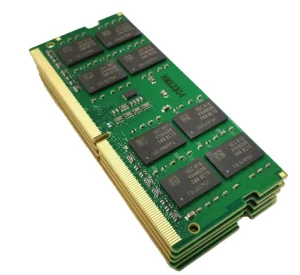
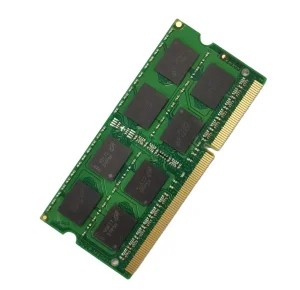
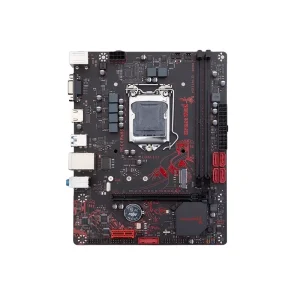
Underpinning the robust hardware demands of modern Chinese collaborative robotics (Cobots) and edge AI systems.
In the highly competitive market of global automation, Collaborative Robots (Cobots) are shifting from simple assistive tasks to complex, real-time decision-making applications. Behind this transition lies the crucial need for high-speed computing, high-integrity data processing, and highly durable control logic units. This is where Vorynex Memory Technology (China) Co., Ltd. serves as a fundamental hardware supplier and partner.
Established in 2016, Vorynex has structured a robust manufacturing footprint designed to satisfy the rigorous specifications of global industrial automation OEMs. Operative out of a state-of-the-art facility optimized for low-latency chip assembly, the company specializes in DDR4, DDR5, and custom industrial-grade controller board integrations. With an annual export footprint reaching USD 12 million, supported by 6 years of specialized export experience and 12 years of overall industrial engineering expertise, Vorynex has earned its standing as a key contributor to China's industrial robotics supply chain.
"Robotic arm kinematics, machine vision inference, and precision joint trajectory calculations demand high-bandwidth memory and thermal-resistant system boards. Our industrial modules guarantee uninterrupted up-time in harsh factory environments."
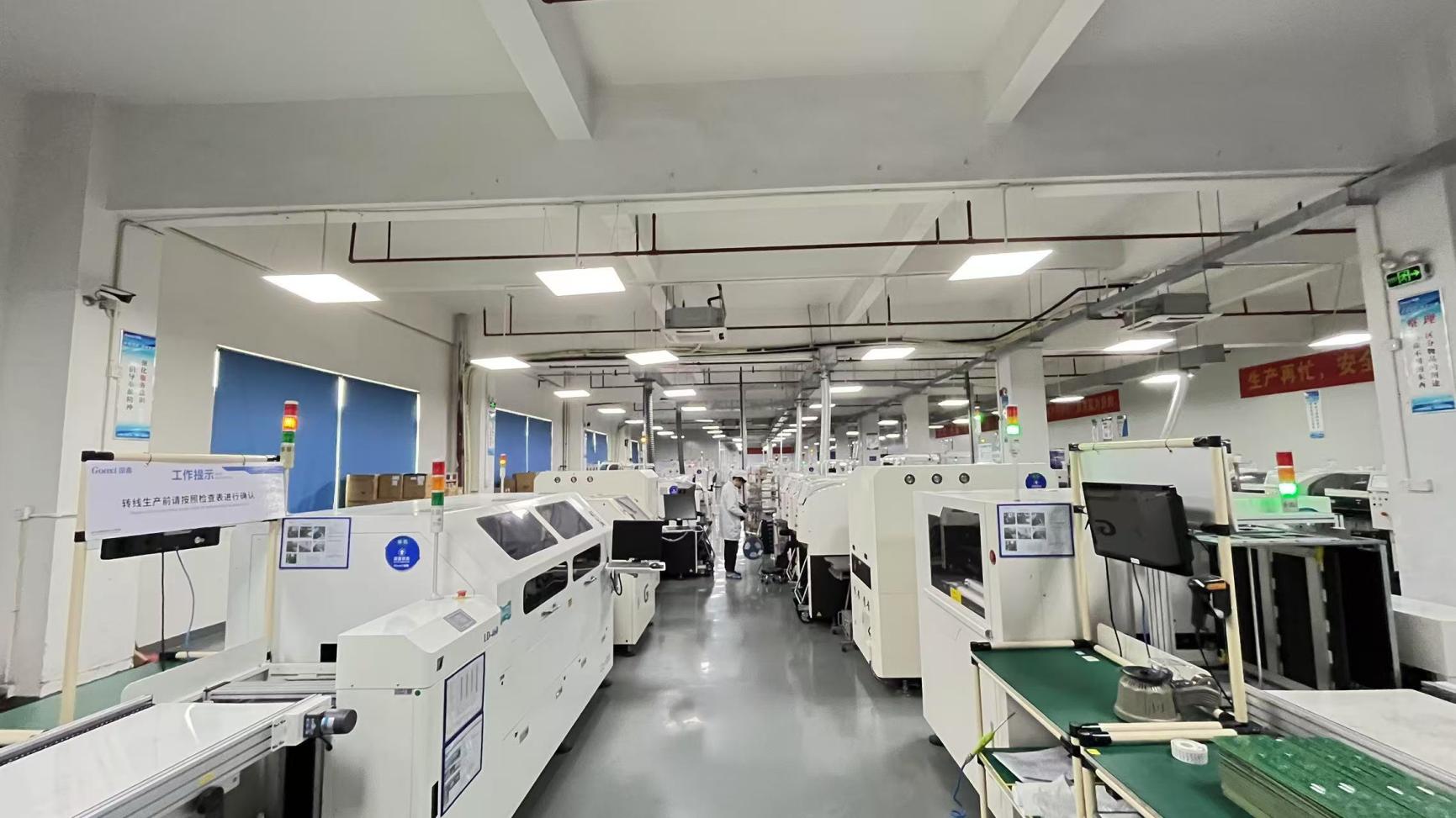
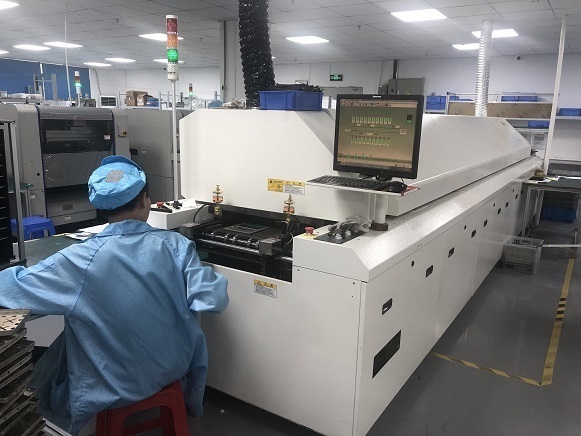
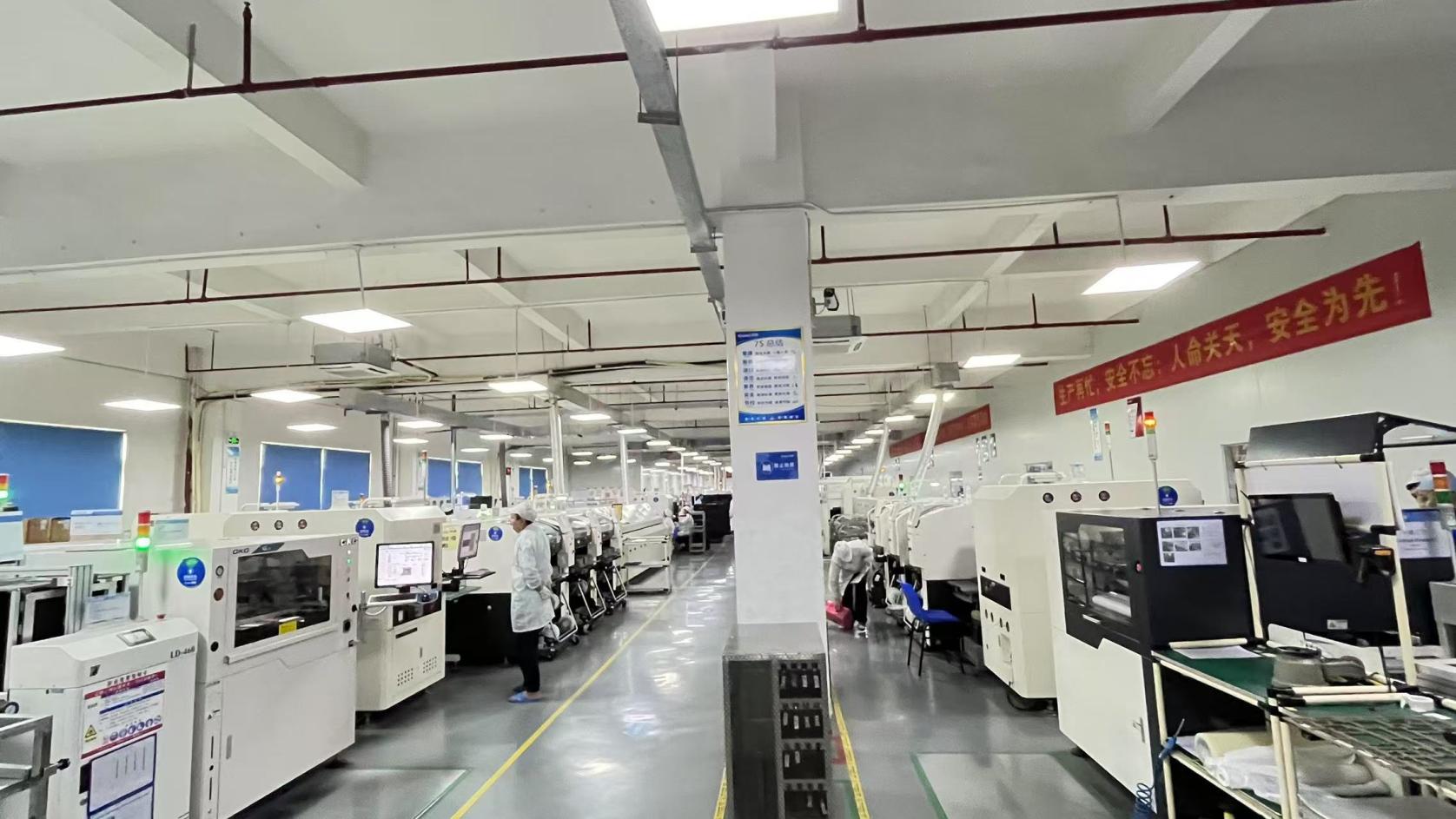
Quality Control Protocol: 100% functional testing, thermal stress chamber cycling, compatibility profiling, and Automated Optical Inspection (AOI) / In-Circuit Testing (ICT).
| R&D Engineers | ~180 Professionals |
| Quality Control Team | ~45 Specialists |
| Supply Chain Partnerships | Over 1,200 Global Partners |
| New Model Releases (Annual) | ~240 Models |
Decentralized control nodes and memory requirements for modern industrial automation systems.
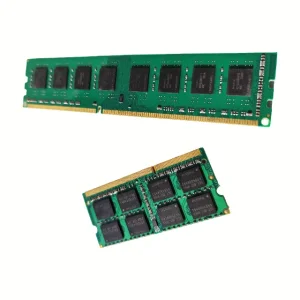
Collaborative robots operate alongside humans, requiring instantaneous responses. Controller units process input from multiple sensors (torque, vision, force-feedback) simultaneously. Low-latency DDR4 and DDR5 memory modules ensure that kinematics algorithms calculate trajectories in milliseconds, preventing accidents and maintaining speed.
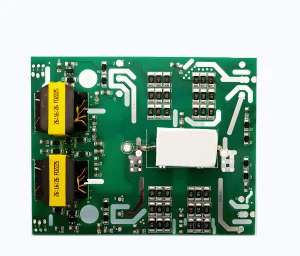
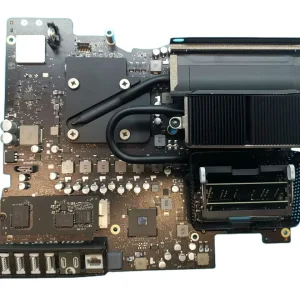
With joints requiring 6-axis or 7-axis freedom, synchronization requires robust industrial-grade PCBs (PCBA designs). The controller motherboards must have high EM/RFI shielding to operate alongside high-voltage welding equipment (like ZX7-315 driver boards) without signal deterioration or memory corruption.
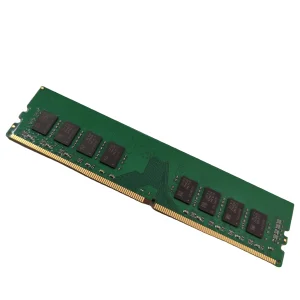
Modern cobots must dynamically detect load variations. Real-time calibration relies on high-speed data buffers. System stability during dynamic shift loops is heavily dependent on RAM reliability, making ECC (Error-Correcting Code) memory modules necessary for continuous, uninterrupted operation.
The transition toward Industry 5.0 emphasizes human-centric production environments. Collaborative robots are no longer fenced-off industrial hazards; they are interactive tools. From precision welding on automotive lines to SMT circuit inspection, the efficiency of a cobot deployment hinges upon the reliability of its control cabinet. Chinese factories, supported by vertical integration partners like Vorynex, provide the world with cost-effective, high-performance computing backbones that make reliable cobot systems accessible to medium and small enterprises globally.
Why global brands source components and systems from Chinese industrial clusters.
China's robotics ecosystems benefit from complete geographical clusters. Within a 100-kilometer radius in regions like Guangdong or Zhejiang, engineers can source motor encoders, harmonic reducers, control logic units, specialized PCBA solutions, and memory components. This proximity minimizes transport latency, accelerates prototyping, and cushions the production cycle against global logictics bottlenecks.
For example, Vorynex's integration with 1,200 raw material and DRAM chip partners allows for an exceptionally agile design-to-delivery loop. Whether customizing a motherboard BIOS for a specialized robotic manipulator or scaling up production of ECC DDR4 units, the ecosystem adapts immediately.
Top China exporters have evolved from low-cost suppliers to quality-first innovators. System-level validation, Automated Optical Inspection (AOI), and high-temperature stress tests are standard operating procedures. Meeting CE, FCC, RoHS, and UL certifications allows Chinese robotics controllers and memory modules to seamlessly integrate into Western and Asian assembly lines alike.
| Process Step | Standard Target | Equipment / Methodology |
|---|---|---|
| First-Article Inspection | Zero Component Defect | AOI & X-Ray Analysis |
| High-Temperature Stress | 100% Stability under load | Thermal Chamber Cycling |
| Functional Verification | 100% Compatibility | System-level validation loops |
The technological trajectory shifting industrial robotics from pre-programmed paths to real-time cognitive awareness.
Robots operate on pre-programmed limits with capacitive or torque-based force feedback. Memory requirements are light, focusing on simple program loops and rigid safety-stop functions.
Cobots integrate 2D/3D camera systems for part recognition and spatial mapping. Requires real-time processing of high-throughput visual streams, necessitating high-speed DDR4 (2666MHz-3200MHz) modules and dedicated industrial GPUs.
Integrating generative AI and reinforcement learning models directly within the edge controller. Real-time path optimization and collaborative decision-making demand high-speed memory systems (DDR5) and next-generation multi-core computer architectures to handle multi-gigabyte models instantly.
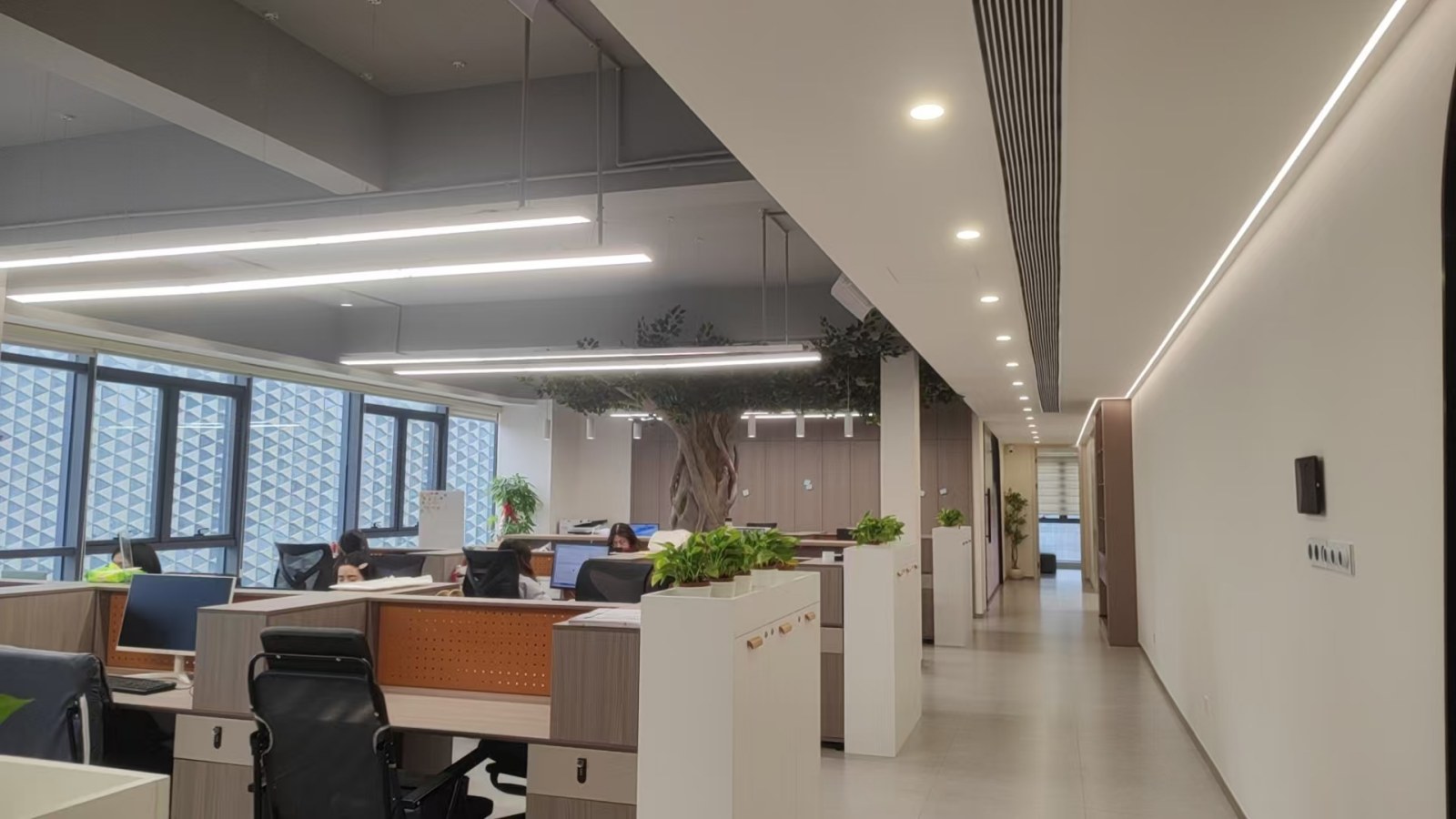
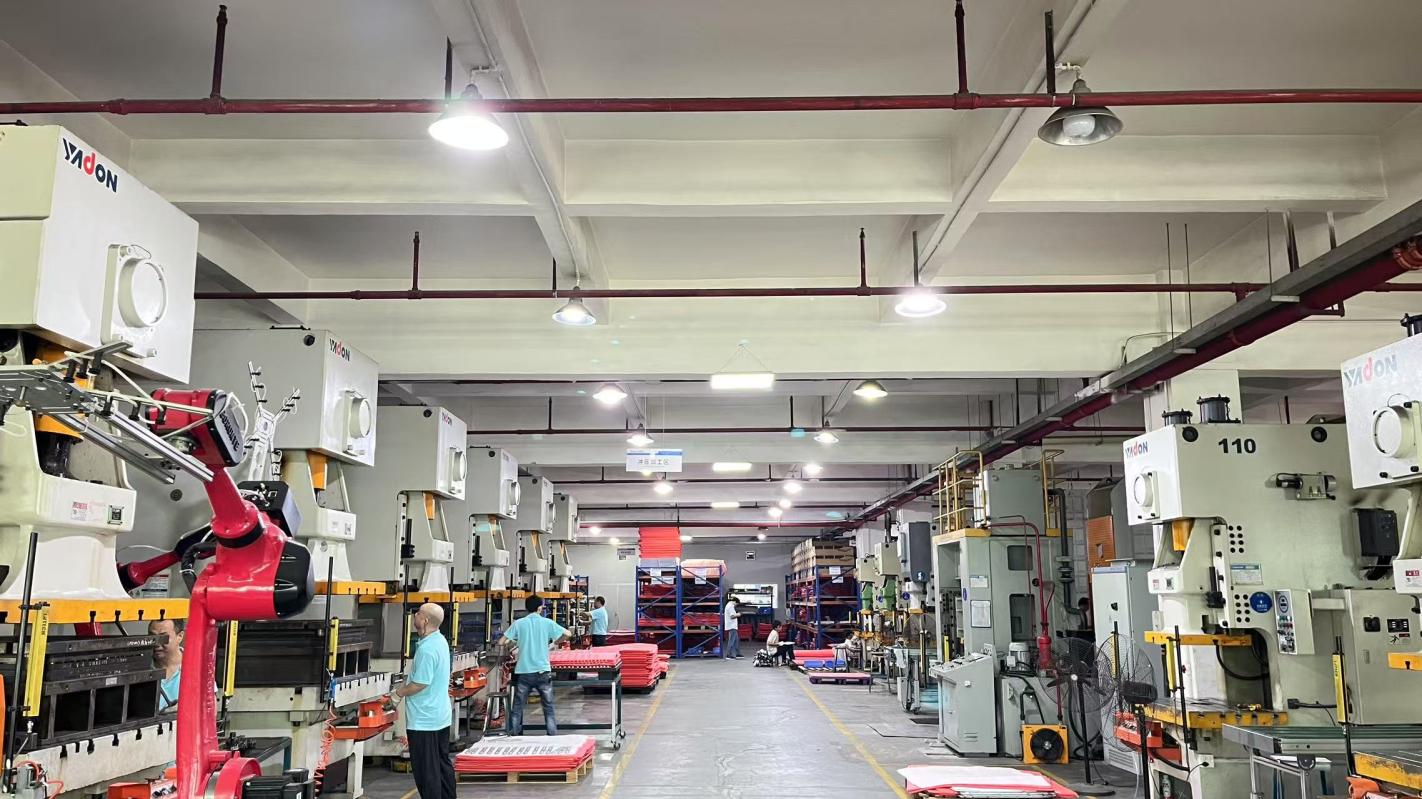
Take a look inside our high-tech assembly lines, cleanrooms, and testing facilities where precision hardware is manufactured.
How systems powered by our components solve real-world problems on the factory floor.
Cobots are deployed alongside human welders to handle repetitive seam welds. Utilizing driver boards like the ZX7-315 inverter PCB, the robotic controller adapts voltage and wire feeding speed in real-time, matching dynamic path adjustments without interruption.
Handling delicate electronic parts demands precise torque control. Cobots loaded with high-speed memory modules run sub-millimeter vision alignment systems to place components on motherboards without damaging tiny solder pads.
In logistics centers, cobots pick and pack complex orders. The underlying systems must parse inventory data from the cloud instantly, demanding highly responsive, dual-channel RAM modules that maintain system fluidity.
Technical and sourcing queries regarding industrial automation components and memory technologies.
Industrial-grade RAM features high-reliability components tested to operate in wide temperature ranges (-40°C to 85°C), provides anti-sulfuration protection, and utilizes ECC (Error-Correcting Code) technology to identify and resolve bit-level memory errors in critical robotic applications.
The motherboard is the core interfaces hub. It must connect multiple sensors (torque, lidar, optical) and manage real-time OS instructions without latency. High-performance chipsets like the H510M-A or B250 paired with compatible Intel processors ensure robust data pathways.
We employ a team of 45 professional QC staff. All modules undergo 100% functional testing, dynamic high-temperature burn-in tests, and automated optical inspection (AOI) to eliminate structural defects before packaging.
Yes. Backed by our team of 180 R&D engineers, we fully support hardware customization including frequency tuning, PCB layering adjustments, customized heatsinks, and specialized BIOS configurations for embedded automation systems.
For global integration, products must carry relevant CE, FCC, RoHS, and WEEE marks. Factory lines are regulated under ISO 9001 and ISO 14001, ensuring consistent manufacturing standards and safety compliance.
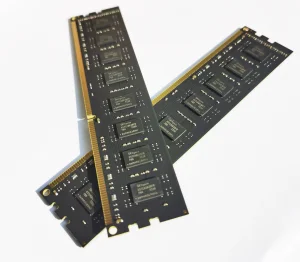
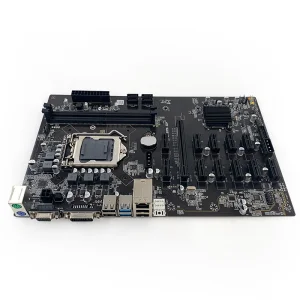
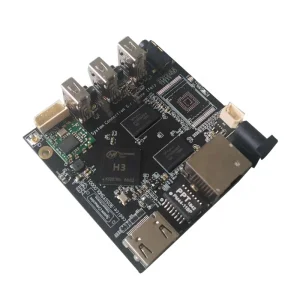
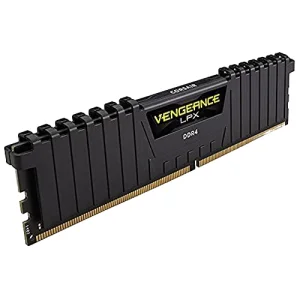
Select controller engines, PCB assemblies, and high-density memory modules optimized for high-demand industrial processing.
 Vorynex