Analyzing the evolution of high-bandwidth spatial computing architectures and complex component supply chains powering modern head-mounted displays and simulator ecosystems.
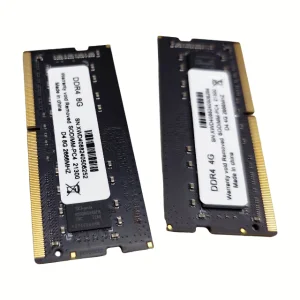
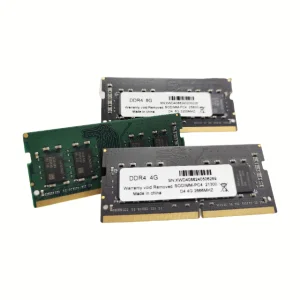
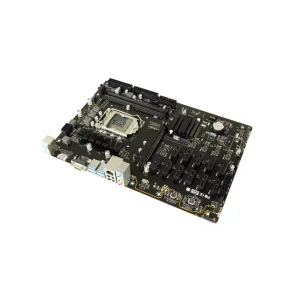
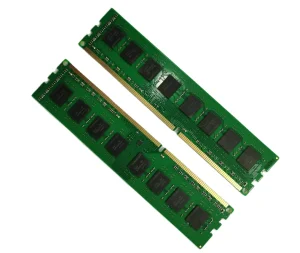
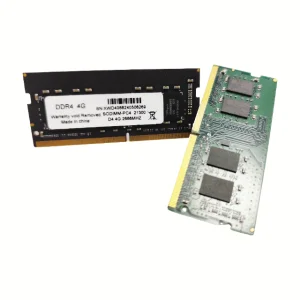
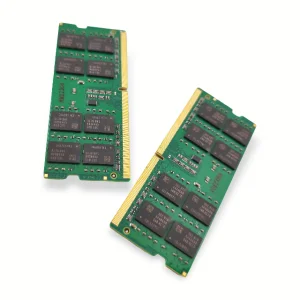
Modern VR systems require rendering dual high-resolution displays (frequently up to 4K per eye) at refresh rates between 90Hz and 144Hz. This demand translates to an immense pipeline for memory throughput. Without high-speed, high-density DRAM (such as optimized DDR4/DDR5) and low-profile computing architectures, motion-to-photon latency increases beyond the critical 20ms threshold, causing simulator sickness. Leading VR factories design high-efficiency, multi-channel motherboard circuits specifically to handle this high data volume.
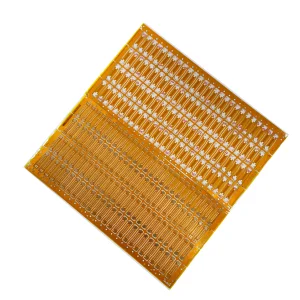
HMDs (Head-Mounted Displays) and motion-tracking accessories demand ultra-lightweight, extremely reliable interconnect systems. Polyimide-based FPC (Flexible Printed Circuit) components form the neural network of modern VR headsets. They run along the curvature of the device casing to connect inertial measurement units (IMUs), spatial cameras, proximity sensors, and haptic buttons without adding substantial weight or volume. This optimization enables high reliability, even during intense physical movement.
"The threshold for deep immersion in spatial computing rests upon two pillars: real-time sensor processing and ultra-fast hardware memory read/write operations. When sourcing VR equipment, smart global procurers focus on the quality of internal chips, FPCs, and motherboard thermal designs rather than external industrial cosmetics."
A rigorous evaluation matrix for enterprise buyers sourcing VR head-mounted displays, simulators, tracking components, and foundational computing modules.
Elite VR factories implement extensive testing methodologies, including Automated Optical Inspection (AOI), In-Circuit Testing (ICT), high-temperature stress testing, and system-level VR rendering loop simulation. This ensures zero screen artifacts and prevents sensor drops in the field.
Buyers require direct component access: flexible PCB layout modifications for custom ergonomics, high-frequency RAM configuration adjustments for complex physics systems, and specialized motherboard mounting setups for simulator motion platforms.
Direct partnerships with DRAM silicon fabricators are vital. Factories that maintain deep relationships with key silicon vendors offer stable, long-term component availability, insulating enterprise buyers from the volatility of semiconductor supply chains.
| Manufacturer Tier | Typical R&D Team Size | Key Testing Methodologies | Customization Capability | Ideal Application Sectors |
|---|---|---|---|---|
| Tier 1 ODM Core | > 150 Engineers | AOI, In-circuit testing (ICT), System Rendering Loop, High-Temp Stress | Full (PCB design, custom firmware, structural CAD, ASIC selection) | Military, Enterprise Training, Commercial Flight Simulators |
| Tier 2 Hardware Integrators | 50 - 150 Engineers | Standard Functional Testing, Basic Thermal Simulation | Moderate (Logo branding, enclosure modifications, memory binning) | LBE VR Arcades, Educational Classrooms, Theme Parks |
| Component & Board Assembly Specialists | > 80 Engineers | Solder Joint X-Ray, High Sensitivity PCB Testing, Signal Integrity Analysis | Component Level (Flexible PCB tracking, Motherboard RAM traces, rigid-flex design) | Upstream VR Headset OEMs & System Builders |
A deep dive into the engineering capabilities and industrial capacity of an essential hardware supplier for international VR rendering platforms and spatial computing systems.
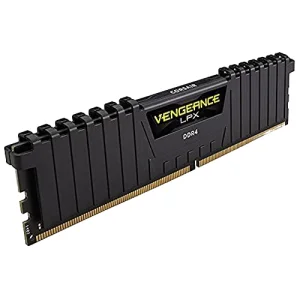
Vorynex Memory Technology (China) Co., Ltd. is a professional DDR5/DDR4 memory manufacturer and OEM/ODM solution provider specializing in high-performance memory modules, board-level computing designs, and flexible connection circuits for global markets.
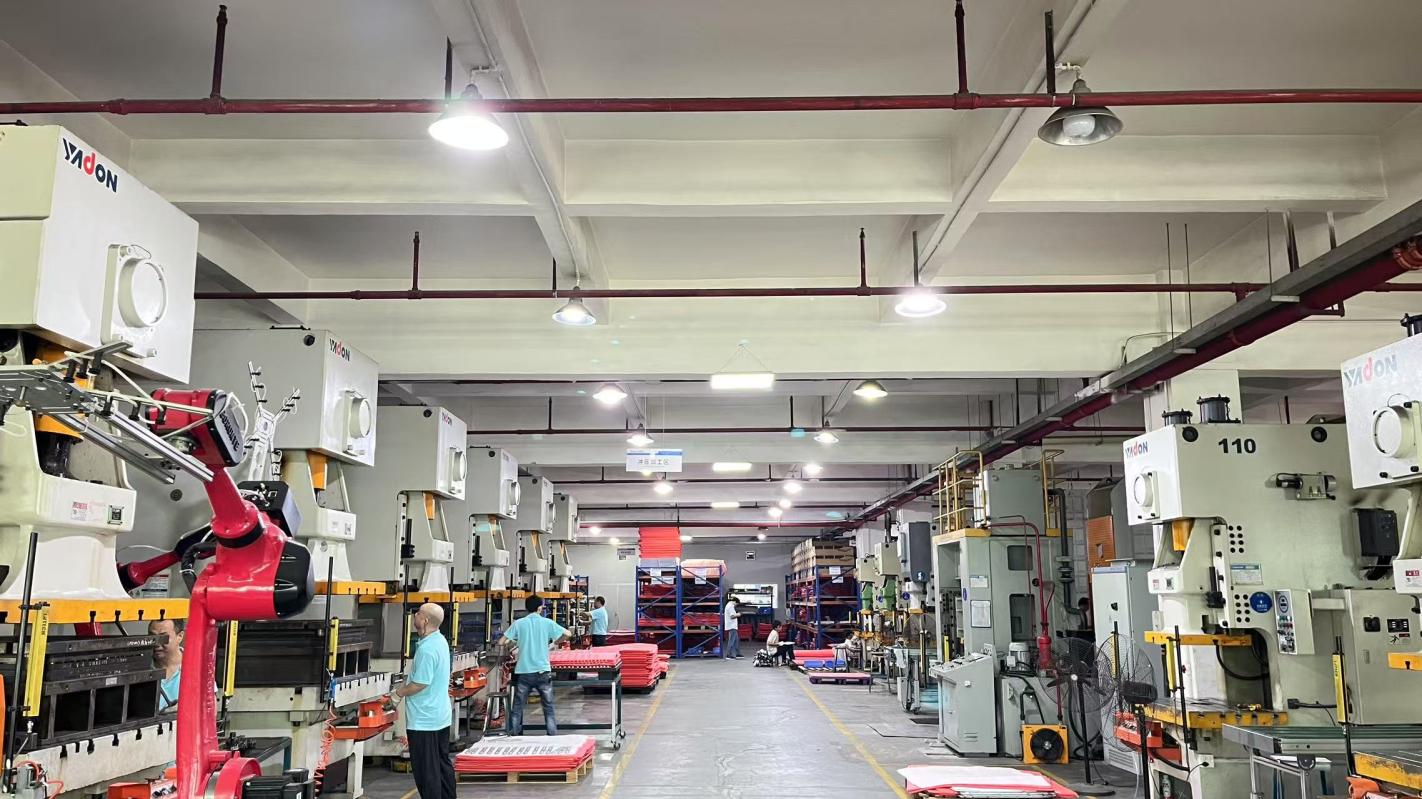
Established in 2016, the company has developed strong manufacturing and engineering capabilities over the years. With a modern production facility covering approximately 320㎡, Vorynex focuses on delivering stable, high-speed, and energy-efficient hardware engines. These engines power gaming rigs, high-density VR render farms, industrial simulators, and complex enterprise VR headsets.
Backed by 6 years of export experience and over 12 years of industry experience in memory and semiconductor-related fields, Vorynex achieved an annual export revenue of approximately USD 12 million, proving its capacity to handle complex logistics and continuous supply demands for international buyers.
Vorynex's primary customer base includes brand distributors, VR system integrators, industrial simulator manufacturers, and high-performance gaming hardware brands.
In the past year alone, Vorynex successfully launched around 240 new product models, demonstrating robust innovation across DDR4, DDR5, and custom industrial hardware solutions.
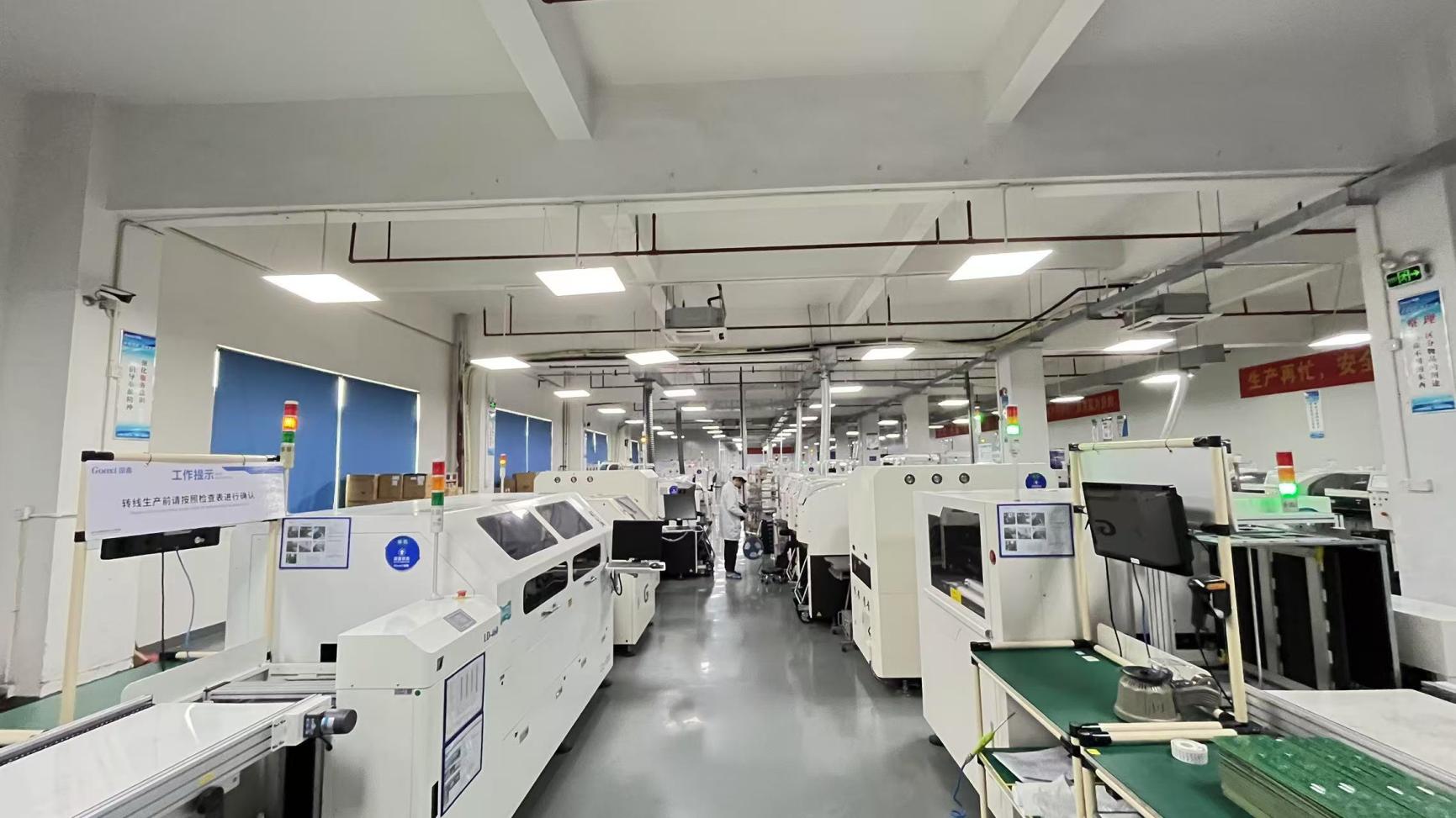
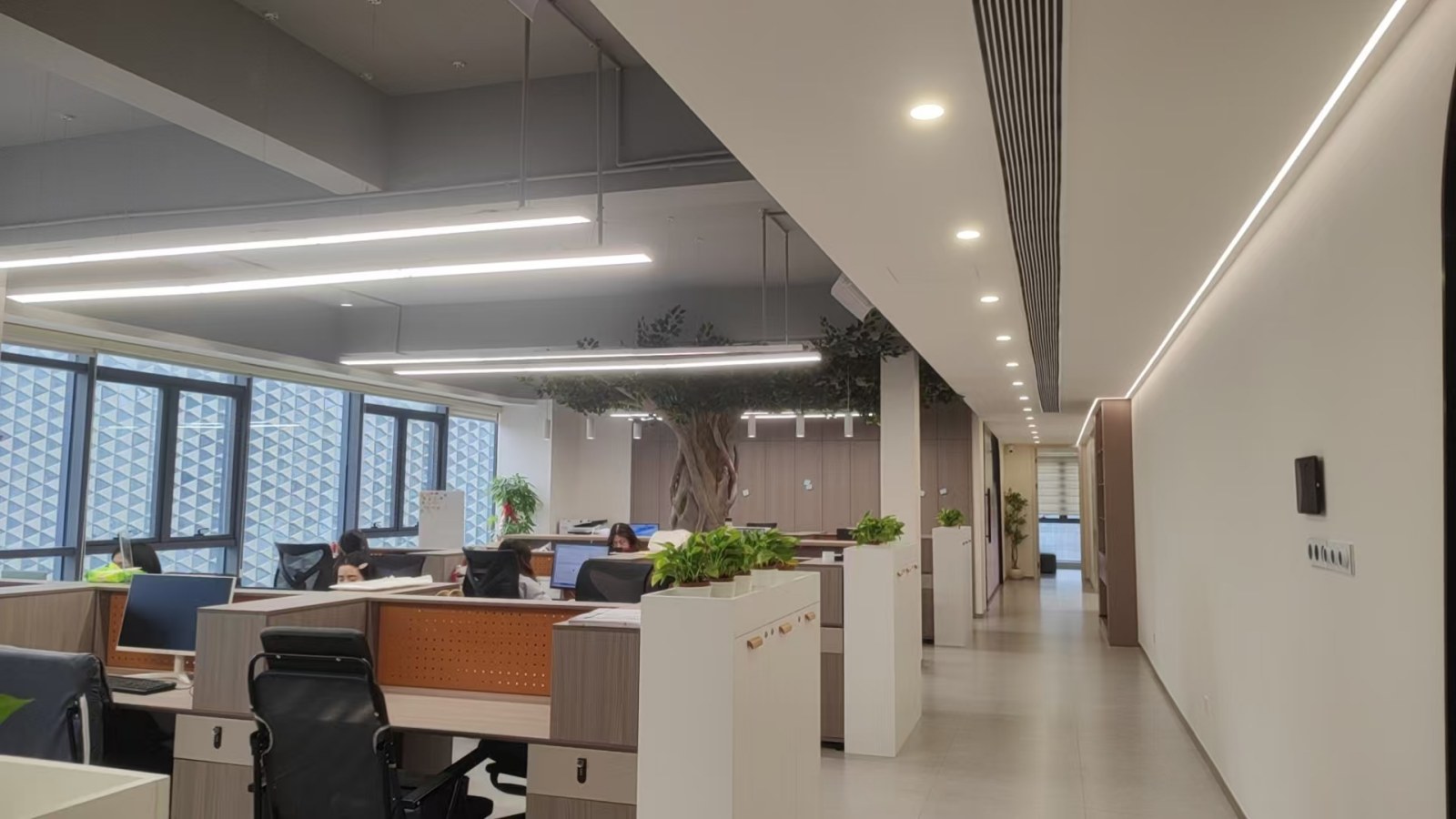
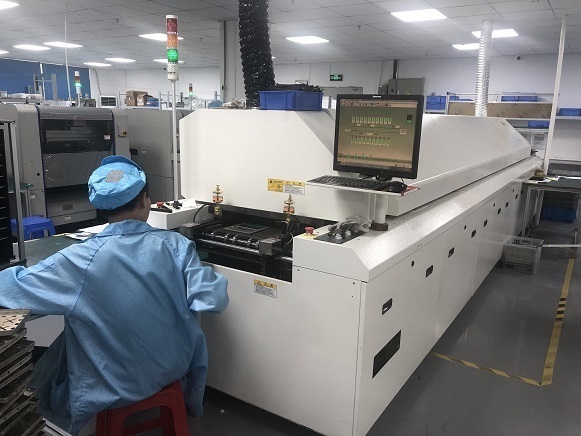
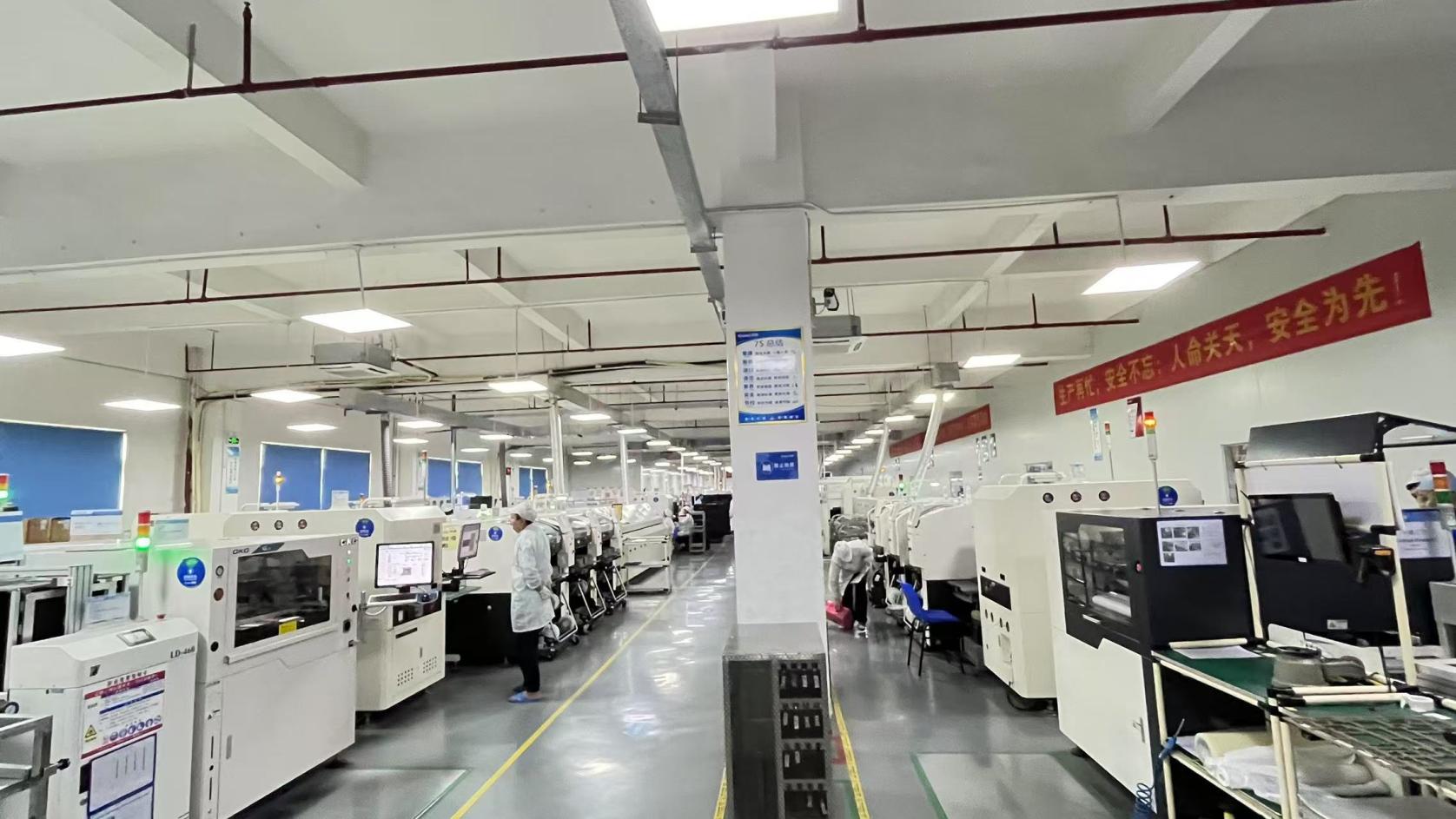
A deep engineering analysis of memory architecture, motherboard signal paths, and flexible sensors that form the foundation of immersive computing hardware.
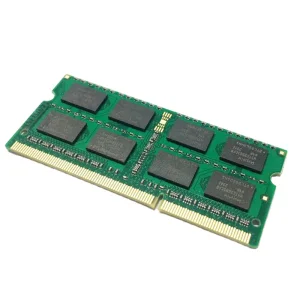
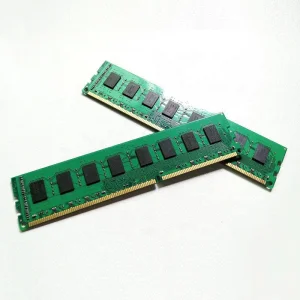
As virtual reality headsets transition to ultra-high-definition screens (including dual 4K micro-OLED panels), the memory subsystems within both standalone headsets and external render PCs face unprecedented loads. Standalone headsets rely on integrated, high-speed memory architectures to keep latency low. In external VR tracking systems and simulator rigs, high-frequency DDR4 and DDR5 memory modules ensure that high-polygon 3D meshes and large texture packages transfer to the GPU without bottlenecking the system bus. This helps maintain stable frame times, reducing performance drops.
Additionally, implementing ECC (Error-Correcting Code) memory modules in professional-grade simulator configurations helps protect the system against soft data errors. This prevents crash states during high-stakes training scenarios, such as medical simulations or aerospace navigation exercises.
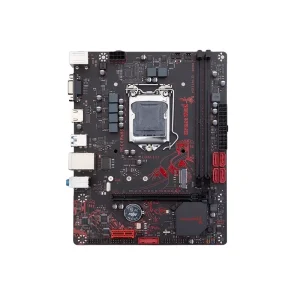
Engineered VR motherboards feature high-density routing paths and multi-layer structural compositions. Devices like the B250 series or customized H311M-G complexes handle high data loads through fast PCI Express lanes, direct memory channel links, and robust VRM setups. This layout prevents core processors and memory modules from throttling under heavy loads. Thermal management is supported by composite heat sinks that distribute heat evenly, which is crucial for maintaining performance during extended VR sessions.
Moreover, modern tracking nodes and telemetry inputs rely on fast signal transmission. Signal paths on the motherboard must be designed to avoid EMI (Electromagnetic Interference) from high-power wireless components and internal tracking systems, helping preserve signal accuracy.
Inside controllers and motion gloves, standard rigid PCBs are impractical due to space constraints and weight limits. Manufacturers utilize FPC (Flexible Printed Circuit) components with polyimide backing. These flexible substrates carry multi-layer circuits that bend to fit ergonomics without breaking or losing signal connection. The integration of polyimide flexible connections in VR controllers supports responsive button response, haptic feedback, and sensor connectivity, keeping input latency to a minimum.
Addressing the challenges of large-scale hardware deployment, system integration, and component compatibility across the VR ecosystem.
Commercial VR centers and theme parks require high-reliability components that stand up to daily, continuous use. Key requirements include structural drop resistance, dust protection, and quick-swap components (such as modular cables and memory modules) to minimize downtime.
Military, aviation, and industrial operations require precise telemetry feedback, motion platform synchronization, and high-fidelity visual rendering. System stability is critical to maintaining a realistic and safe training environment.
From custom branding to unique bios features and specialized form factors, factories must offer flexible design options. This allows enterprise buyers to tailor hardware to their specific software platforms and branding guidelines.
"Sourcing high-performance VR components requires a reliable partner who understands technical specifications, production scheduling, and component lifecycle management to support long-term hardware rollouts."
Ensuring international regulatory compliance, electrical safety, and environmental standards for cross-border logistics and hardware deployment.
For VR equipment, simulators, and computing components to clear customs and enter key markets like North America, Europe, and Asia-Pacific, they must meet strict regulatory standards. Elite manufacturers design their products to comply with these global regulations from the ground up.
Hardware failure during operations can lead to significant downtime and client dissatisfaction. Factories run their components through climate chambers, dynamic vibration stands, and electrical load testers to simulate real-world conditions. This ensures that the memory modules, FPCs, and motherboard connections operate reliably in hot, humid, or high-vibration environments.
Furthermore, ESD (Electrostatic Discharge) protection is built into controllers and headset chassis to prevent damage from static electricity, protecting the internal electronics during everyday use.
Answers to common technical, logistics, and customization questions from global enterprise VR equipment buyers.
Memory modules are responsible for loading and transferring high-resolution textures, physical assets, and tracking coordinate data. Standard speeds can bottleneck system data flow, leading to frame rate drops and increased motion-to-photon latency. High-speed DDR4 or DDR5 RAM helps prevent these bottlenecks, ensuring smooth visual tracking and reducing simulator sickness.
OEM/ODM suppliers can customize FPC thickness, layer count (typically 1-2 layers for standard setups, higher for complex circuits), trace routing, polyimide shielding, and connector positions. This allows the flex circuits to fit the custom shape of specialized VR controllers and haptic gloves while maintaining reliable signal pathways.
For industrial training, aerospace simulators, and medical VR training, system stability is critical. Single-bit memory errors can cause software crashes, disrupting training and risking hardware damage. ECC memory detects and corrects these errors in real time, helping ensure uninterrupted system operation.
Standard lead times depend on design complexity and components. For existing board modifications, prototype cycles typically take 2-4 weeks. Mass production runs generally range from 4-8 weeks, depending on component availability and ordering volumes.
Quality consistency is maintained through multi-stage quality control. This includes AOI inspections for solder connections, ICT testing for circuit continuity, environmental aging tests under high thermal loads, and final functional testing with active system workloads.
 Vorynex