The enterprise hardware environment is undergoing a tectonic shift. High-Performance Computing (HPC) has transitioned from traditional academic clusters and meteorological labs into the core of mainstream commerce. Driven by the exponential scale-up of Generative AI, machine learning training sets, real-time edge processing, and massive data pipelines, modern computing solutions require more than standard off-the-shelf silicon. Today, true performance is dictated by system-level coherence, where low-latency memory sub-systems, high-frequency PCB substrates, efficient thermal dissipation, and tailored motherboard architectures function in perfect alignment.
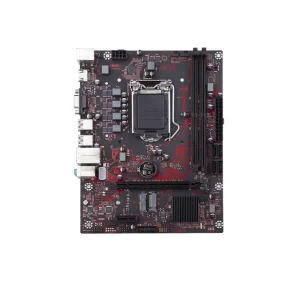
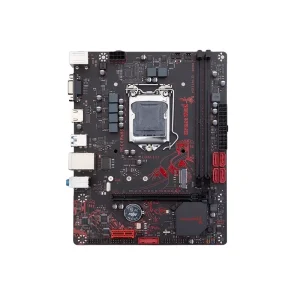
As enterprise procurement agents evaluate the Top 10 High-Performance Computing Solutions Suppliers, they must look past superficial computing benchmarks. The bottleneck in advanced computing is no longer raw GPU/CPU cycle capability; it is the "Memory Wall"—the latency and bandwidth mismatch between processing units and data storage. Solving this requires deep optimization across physical layers (such as high-speed double-layer PCBs), intermediate board assemblies (PCBA customized for specific signal paths), and high-frequency memory modules (DDR4 and DDR5 ECC designs).
This technical optimization brief addresses critical parameters of HPC sourcing:
Vorynex Memory Technology (China) Co., Ltd. is a professional DDR5 memory manufacturer and OEM/ODM solution provider specializing in high-performance memory modules for global markets. In the highly demanding HPC hardware manufacturing ecosystem, Vorynex leverages advanced engineering methodologies and robust quality controls to support enterprises globally.
Maintaining consistency across production cycles requires advanced optical and physical verification. Vorynex applies 100% functional testing, aging tests, compatibility testing, and high-temperature stress testing. Using advanced methodologies like Automated Optical Inspection (AOI), In-Circuit Testing (ICT), and system-level validation, Vorynex eliminates component-level defects prior to final board integration.
To address specialized HPC configurations, Vorynex supports customized memory engineering. This includes frequency tuning, custom multilayer PCB design, thermal heat sink styling, private label branding, and custom BIOS firmware optimization to match specific chipsets and complex operational workloads.
With dedicated engineering teams, Vorynex launched around 240 new product models in the past year. This rapid design capability ensures system builders have access to the latest DDR4 and DDR5 form factors, supporting legacy platforms and modern datacenter infrastructures alike.
Modern high-performance computing requires a comprehensive approach to signal speed, electrical integrity, and heat dissipation. A minor delay in signal lines can impact overall server efficiency. Sourcing components from qualified suppliers requires analyzing three core layers of hardware architecture:
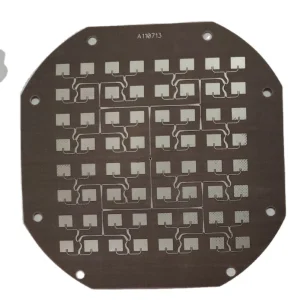
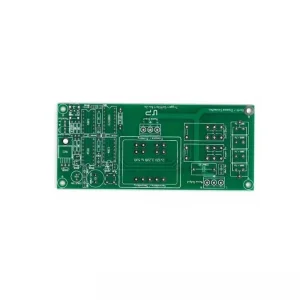
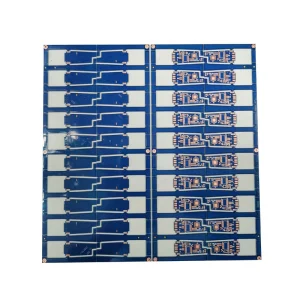
For high-frequency and RF-heavy computing applications, standard FR4 substrates can introduce signal attenuation and dielectric loss. Utilizing high-performance boards like the Taconic TLY-5 (0.254mm thickness) provides a stable dielectric constant (Dk = 2.2) and ultra-low dissipation factor (Df). This structural stability enables faster signal speeds and minimizes heat generation, ensuring clean data transmission across multi-layer PCBs.
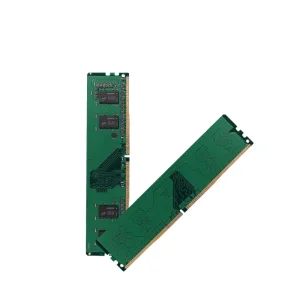
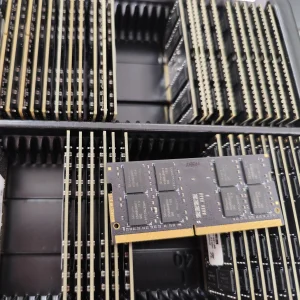
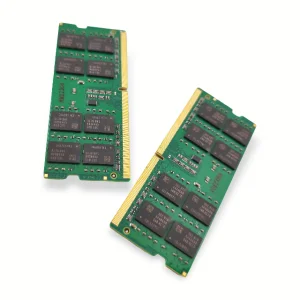
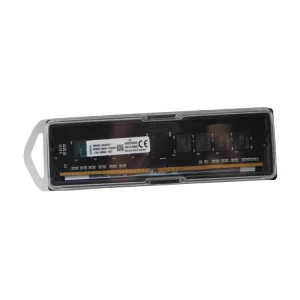
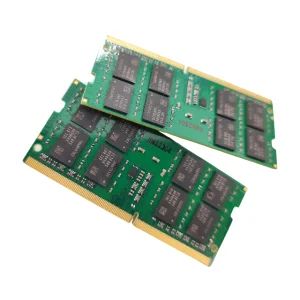
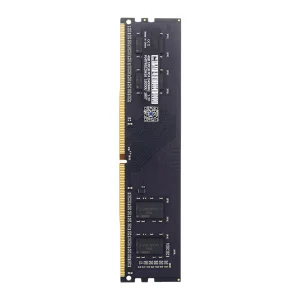
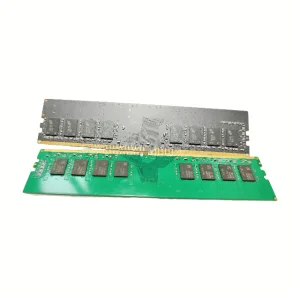
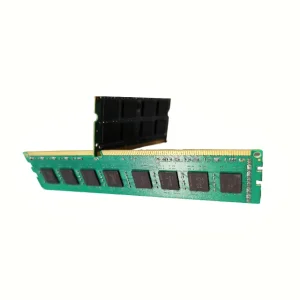
Modern datacenters are transitioning to DDR5, though high-density DDR4 modules remain essential for legacy infrastructure. DDR5 addresses the bandwidth challenge by incorporating dual 32-bit subchannels, on-die ECC (Error Correction Code), and onboard Power Management Integrated Circuits (PMIC). The shift from motherboard-managed power to module-level power management reduces electrical interference and provides reliable power distribution under heavy workloads.
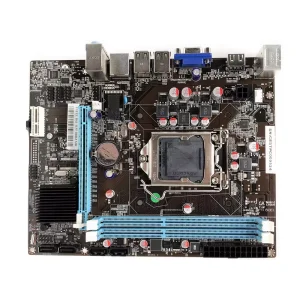
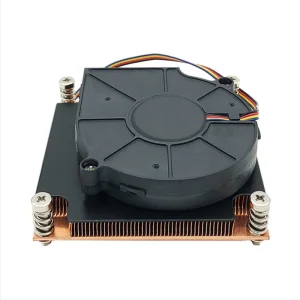
High component density produces significant heat. High-Performance computing motherboards utilize custom thermal solutions, such as the LGA115X-1U3E 110W copper heat sinks, to manage thermal loads in 1U and 2U rack servers. Solid copper bases and thin cooling fins transfer heat away from the processor, preventing thermal throttling and maintaining continuous uptime.
| Architecture Component | Technical Feature | HPC Performance Benefit | Primary Industrial Use Case |
|---|---|---|---|
| Taconic TLY-5 (0.254mm) | Low dielectric constant (Dk 2.2), low loss | Minimizes signal attenuation at high GHz speeds | Microwave communication, aerospace, and high-frequency edge servers |
| DDR4/DDR5 ECC Modules | On-module error checking, JEDEC compliant | Corrects single-bit memory errors, preventing system crashes | Enterprise databases, financial risk modeling, virtualized cloud nodes |
| LGA115X 110W Copper Coolers | Pure copper construction, compact 1U layout | Dissipates high heat in tight space configurations | High-density rackmount servers, edge servers, and render nodes |
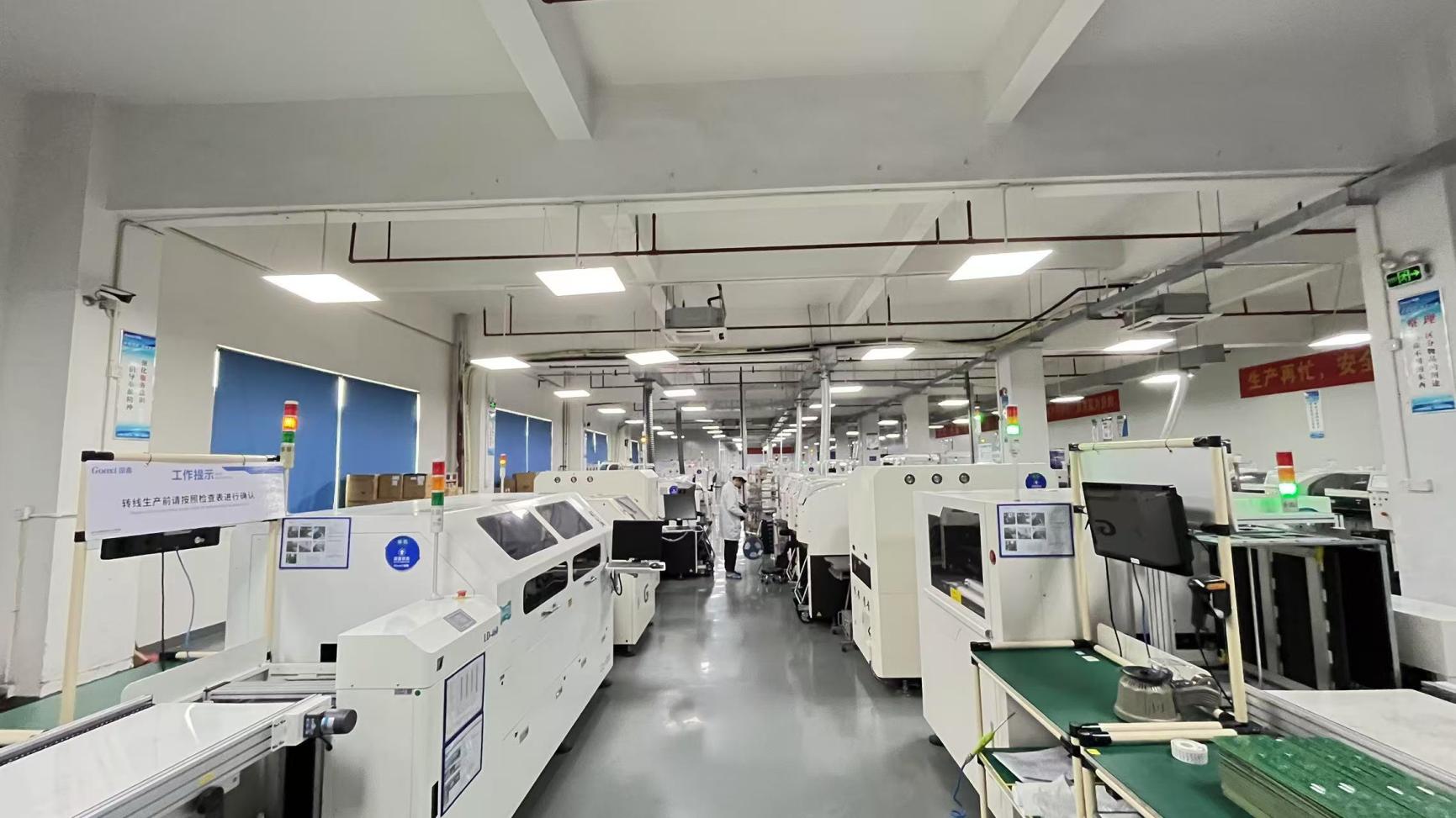
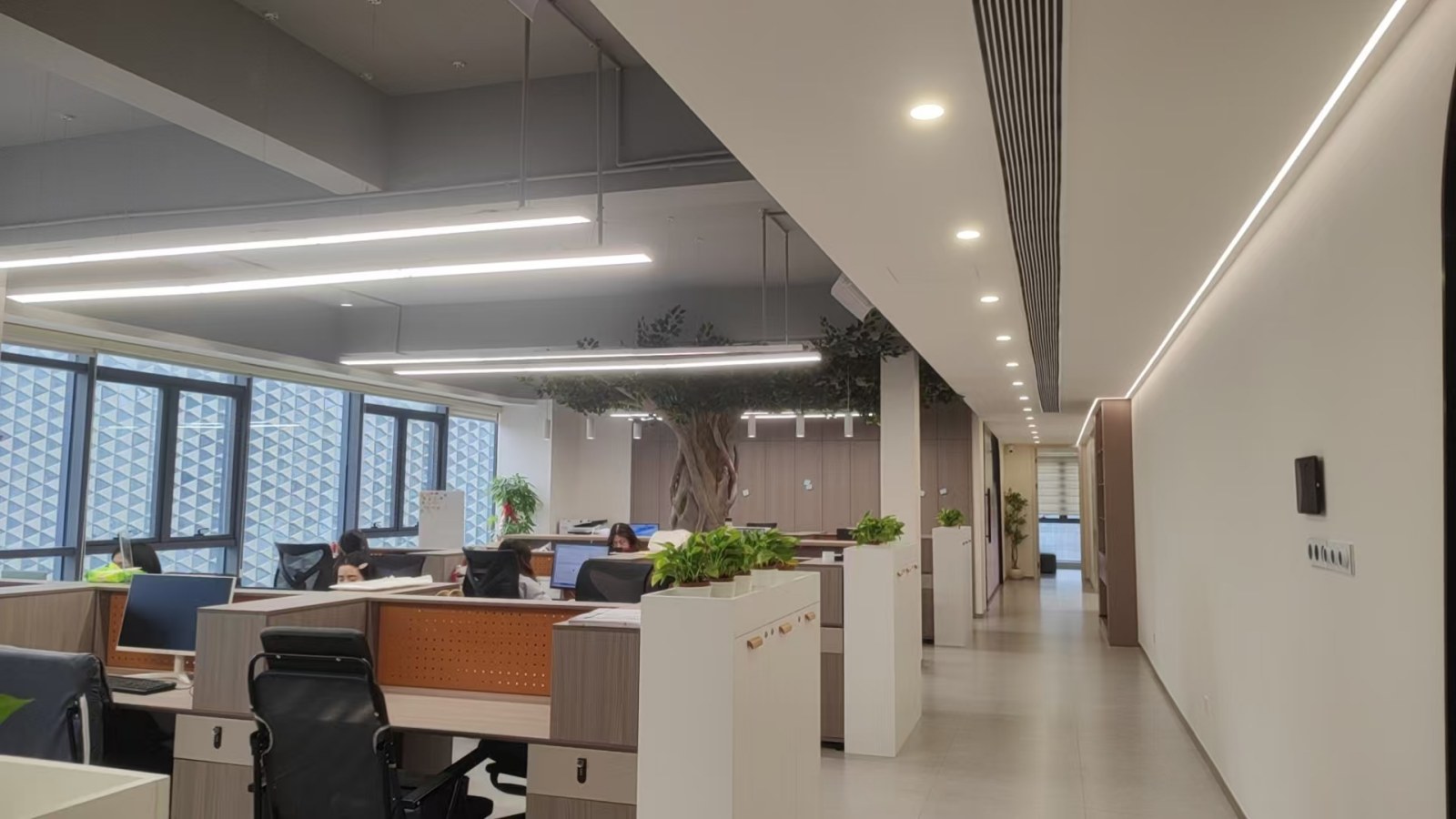
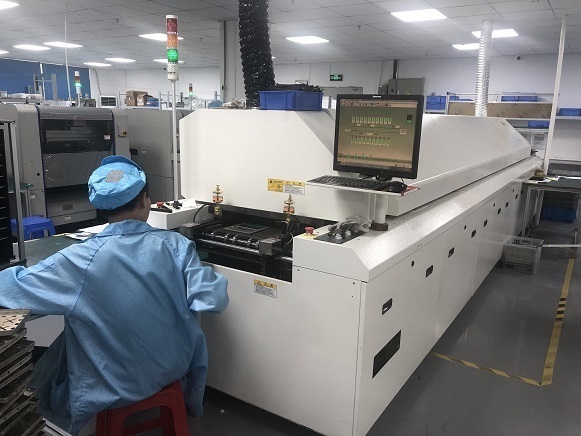
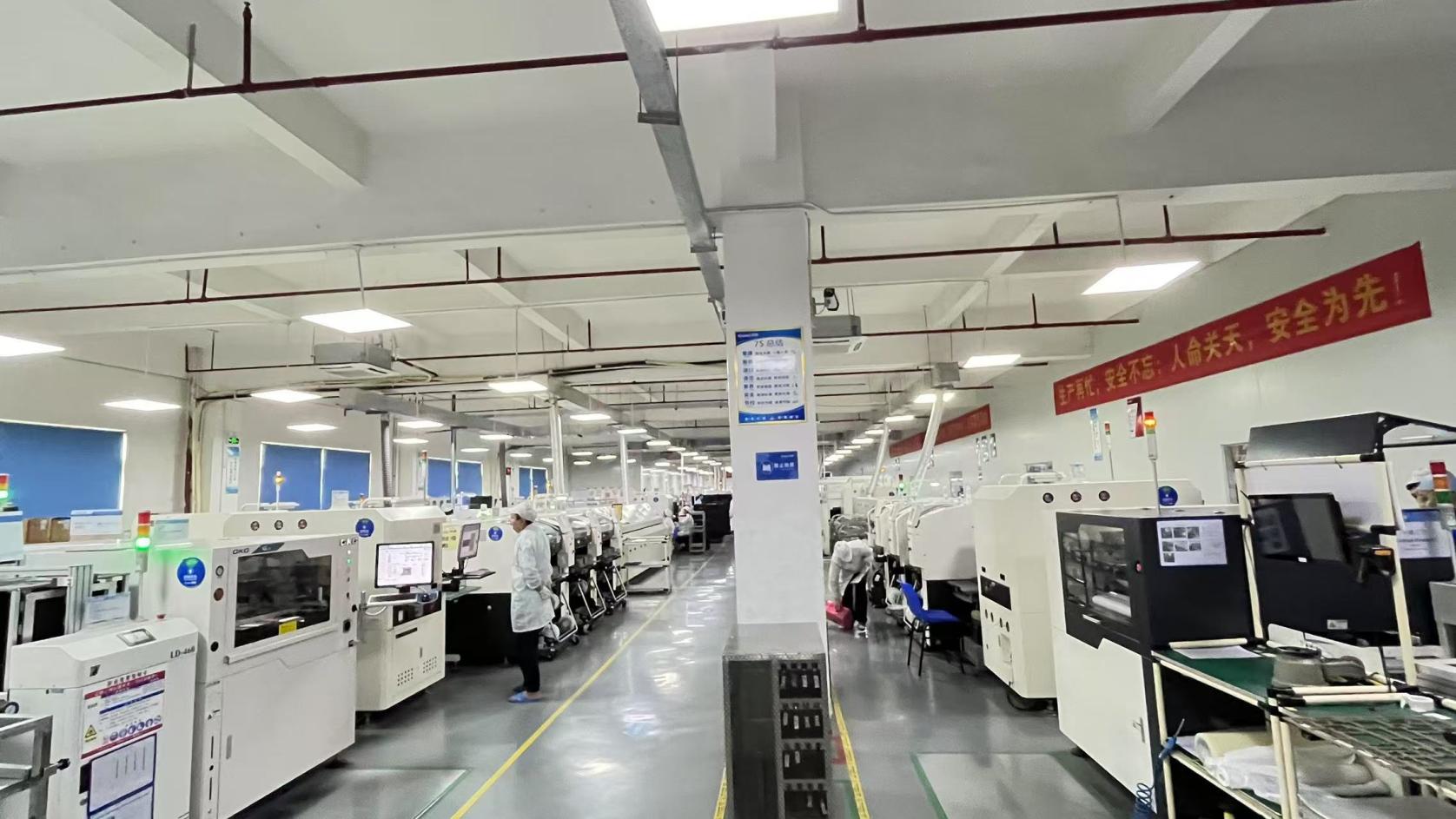
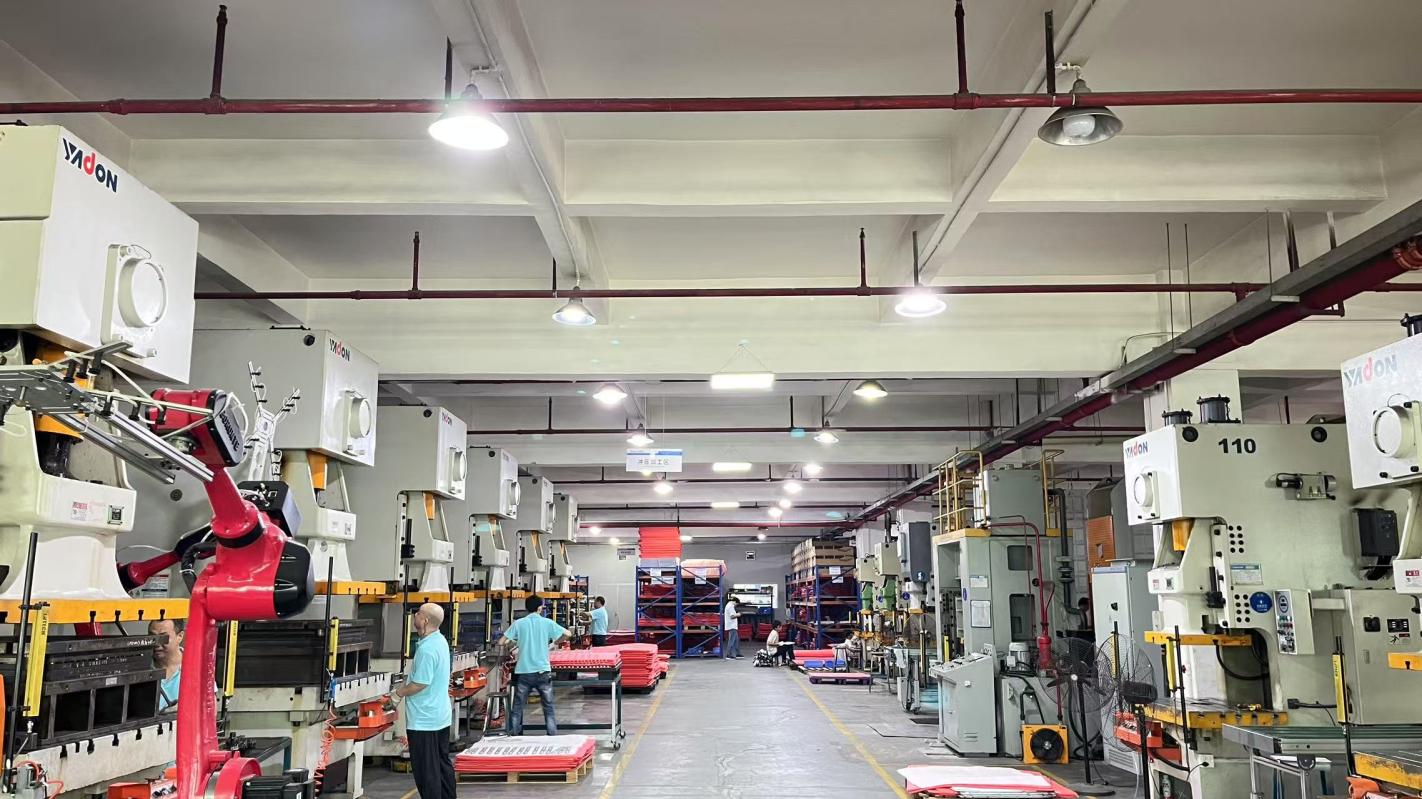
As supply chain challenges impact global tech hardware sourcing, factory layout and logistics planning are critical metrics for evaluation. Vorynex’s production facility integrates specialized engineering capabilities with high-capacity SMT output to support stable component delivery.
By partnering with over 1,200 supply chain distributors and DRAM silicon providers, Vorynex maintains access to high-quality original memory chips. This supply network ensures component availability during market fluctuations, allowing the factory to deliver consistent production times and stable pricing.
Every step of the SMT assembly line is monitored using Automated Optical Inspection (AOI) to detect placement errors, soldering issues, or bridging. In-Circuit Testing (ICT) then verifies electrical routing and component values, ensuring only functional boards proceed to system assembly.
Memory modules and motherboards are subjected to thermal stress testing in specialized environmental chambers. Operating units are run at high temperatures under heavy data loads to identify early component failures, ensuring stable performance in hot datacenter environments.
High-performance computing is utilized across diverse industries, each requiring specific hardware configurations. Below is an overview of how these customized technologies are integrated across key enterprise applications.
Cloud systems require high uptime and energy efficiency. Vorynex’s enterprise-grade DDR4 and DDR5 memory modules feature on-module ECC, reducing memory errors that lead to system crashes. System integrators rely on these modules to maintain consistent performance across highly virtualized server nodes.
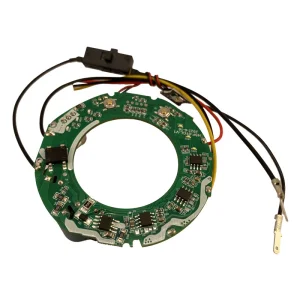
Factory automation and IoT gateways require hardware designed to withstand vibration, moisture, and temperature shifts. Custom PCBA configurations, utilizing high-quality FR4 layers and specialized copper tracing, provide long-term durability in challenging industrial environments.
Gaming systems and engineering workstations require higher memory speeds and lower latency. Custom frequency tuning, heat sink enclosures, and customized PCB layouts allow system integrators to build stable, overclock-capable hardware with specialized branding.
Sourcing hardware from global suppliers requires clear compliance, certification, and service standards. Enterprise procurement teams evaluate key logistics, support, and quality metrics before finalizing contracts:
All hardware modules are designed to comply with international regulatory frameworks including CE, FCC, RoHS, and WEEE, ensuring smooth integration into major markets across North America and Europe.
We establish clear SLAs defining lead times, component quality targets (DPPM limits), and RMA replacement procedures, giving partners confidence in bulk order fulfillment.
Our engineering support team coordinates directly with client hardware divisions, assisting with BIOS updates, signal troubleshooting, and custom system compatibility.
Vorynex works with established international shipping and customs clearing agents to ensure fast, secure delivery by sea, air, or rail transport hubs.
Taconic TLY-5 is a specialty high-frequency material with a low dielectric constant (Dk = 2.2) and a low dissipation factor. These characteristics reduce signal latency, limit electrical crosstalk, and improve signal integrity in high-gigahertz computing systems.
Error-Correcting Code (ECC) memory detects and corrects single-bit errors in real time. This capability prevents data corruption and unexpected system restarts, which is essential for business-critical enterprise systems and datacenters.
Vorynex offers complete OEM/ODM options, including customized PCB layout design, SPD timing customization, frequency tuning, private branding, and specialized thermal enclosures to fit specific hardware requirements.
Our quality assurance program involves a 45-person team using automated testing equipment, including AOI and ICT. Modules undergo environmental stress testing, high-temperature testing, and system compatibility testing prior to packaging.
DDR5 transfers power regulation from the motherboard to the module via an integrated PMIC, uses dual 32-bit subchannels to improve bus efficiency, and features on-die ECC for improved system stability compared to DDR4.
Standard design verification and prototype production take 2 to 3 weeks. Mass production lead times vary based on component availability and order volume, but typical schedules range between 4 to 6 weeks.
 Vorynex