In the rapidly evolving semiconductor ecosystem, system designers and enterprise procurement managers face an array of challenges: thermal bottlenecks, frequency limits, signal degradation over PCB traces, and shifting supply chains. Modern high-speed memory architectures, particularly DDR4 and DDR5, are not merely peripheral additions; they are crucial pipelines that dictate system latency, throughput, and operational efficiency.
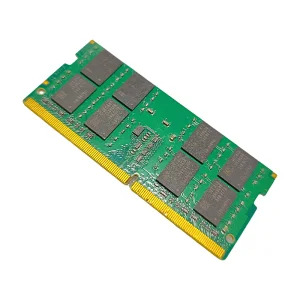
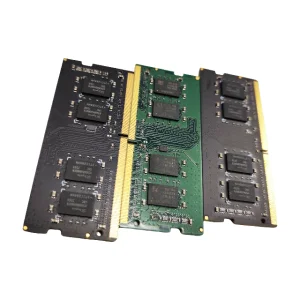
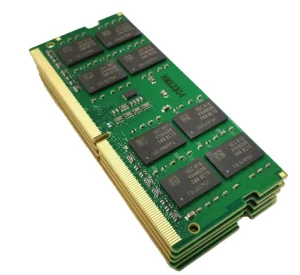
From AI servers utilizing DDR4/DDR5 ECC RAM modules to custom-form-factor SODIMMs for industrial computers (such as ITX motherboards supporting N100 or N5095 configurations), memory architecture optimization requires precise engineering, strict material selection, and sophisticated signal-integrity validation. Partnering with a specialized OEM memory manufacturer ensures system integrity while significantly optimizing the Total Cost of Ownership (TCO).
Industry Engineering Experience
R&D Engineers
AOI, ICT & System Level Tested
Supply Chain Partners
Understanding the mechanical and architectural shift from DDR4 to DDR5 is vital for hardware procurement strategists. While DDR4 operates at high density with standard voltages (such as 1.2V), DDR5 shifts voltage management directly onto the module using a Power Management Integrated Circuit (PMIC) at .1V, reducing the motherboard power distribution network's complexity.
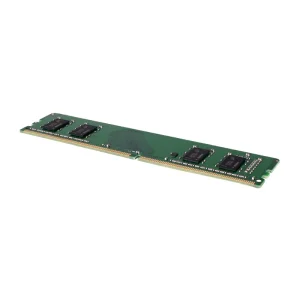
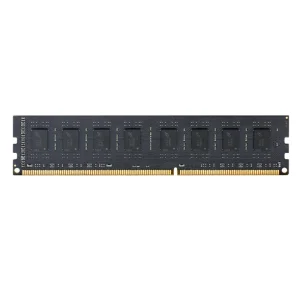
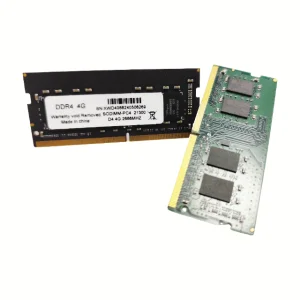
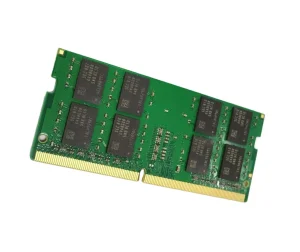
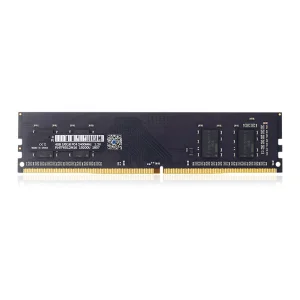
DDR4 remains the cornerstone for mature enterprise infrastructure. Operating at frequencies ranging from 1600MHz up to 3200MHz, it provides reliable stability. For systems requiring continuous uptime, ECC (Error-Correcting Code) prevents single-bit errors from causing server crashes. OEM custom variants allow specific pin mappings and low-profile form factors.
DDR5 introduces On-Die ECC and dual 32-bit subchannels, doubling the bus efficiency. High-frequency operations beginning at 4800MHz up to extreme performance limits require superior PCB trace layout and thermal insulation, which Vorynex Memory structures with high-grade multi-layer PCBs and optimized copper weight.
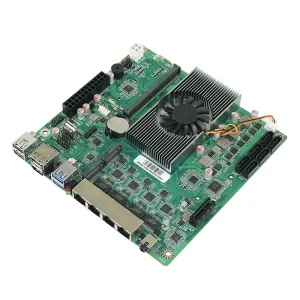
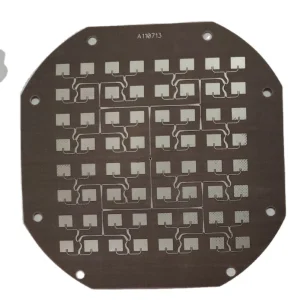
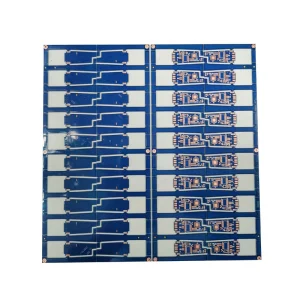
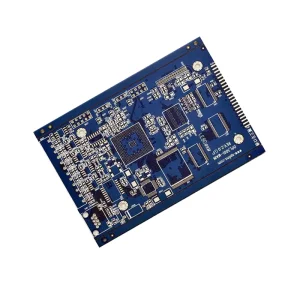
Custom memory upgrades extend beyond DRAM chips. High-frequency communication demands specialized substrate engineering. For instance, using high-frequency substrates such as Taconic TLY-5 or high-density aluminum PCBs reduces parasitic capacitance and maintains signal integrity across the bus interfaces. Vorynex’s deep vertical integration enables simultaneous manufacturing of both the memory module and the complex motherboard circuitry—such as N100/N5095 dual M.2 Server motherboards—guaranteeing strict hardware compatibility and minimal latency.
Evaluating a manufacturer’s physical and logistical framework is crucial under Google's E-E-A-T search standards. The Chinese electronics manufacturing sector, centered around integrated tech hubs, offers unmatched advantages in component sourcing speed, PCB design, and scaling capacity.
Direct proximity to key packaging houses allows Vorynex to coordinate with more than 1,200 supply chain partners, ensuring constant DRAM wafer supply and bypassing component volatility.
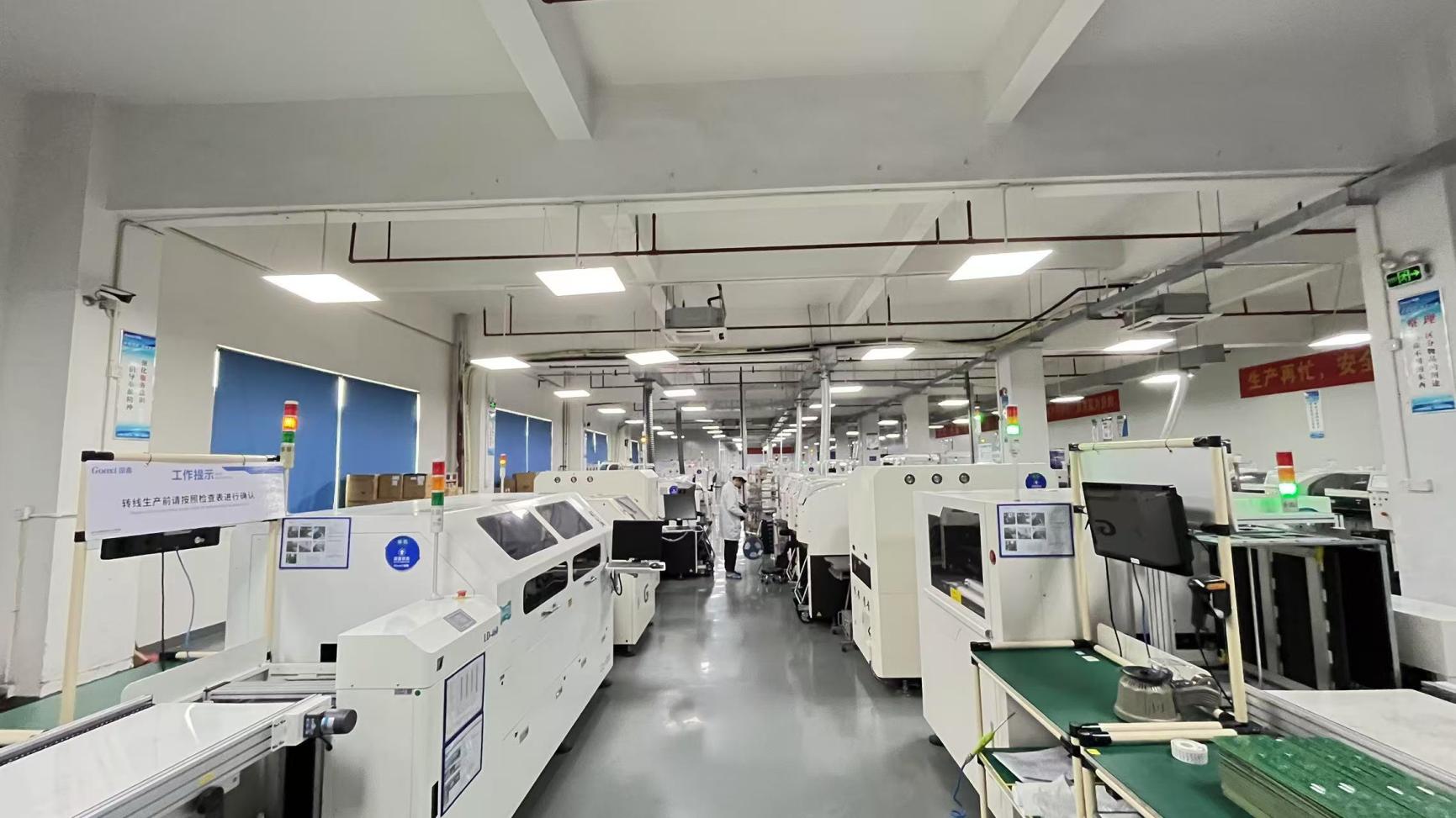
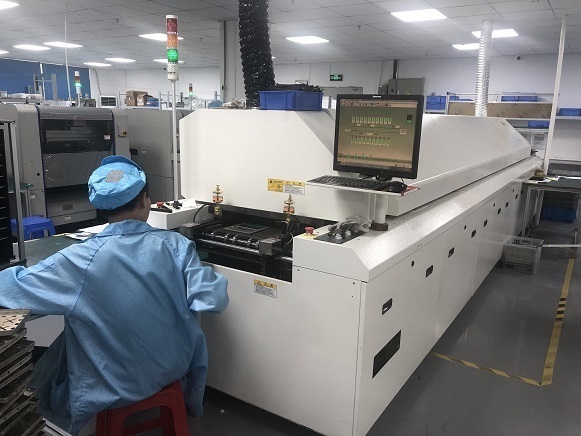
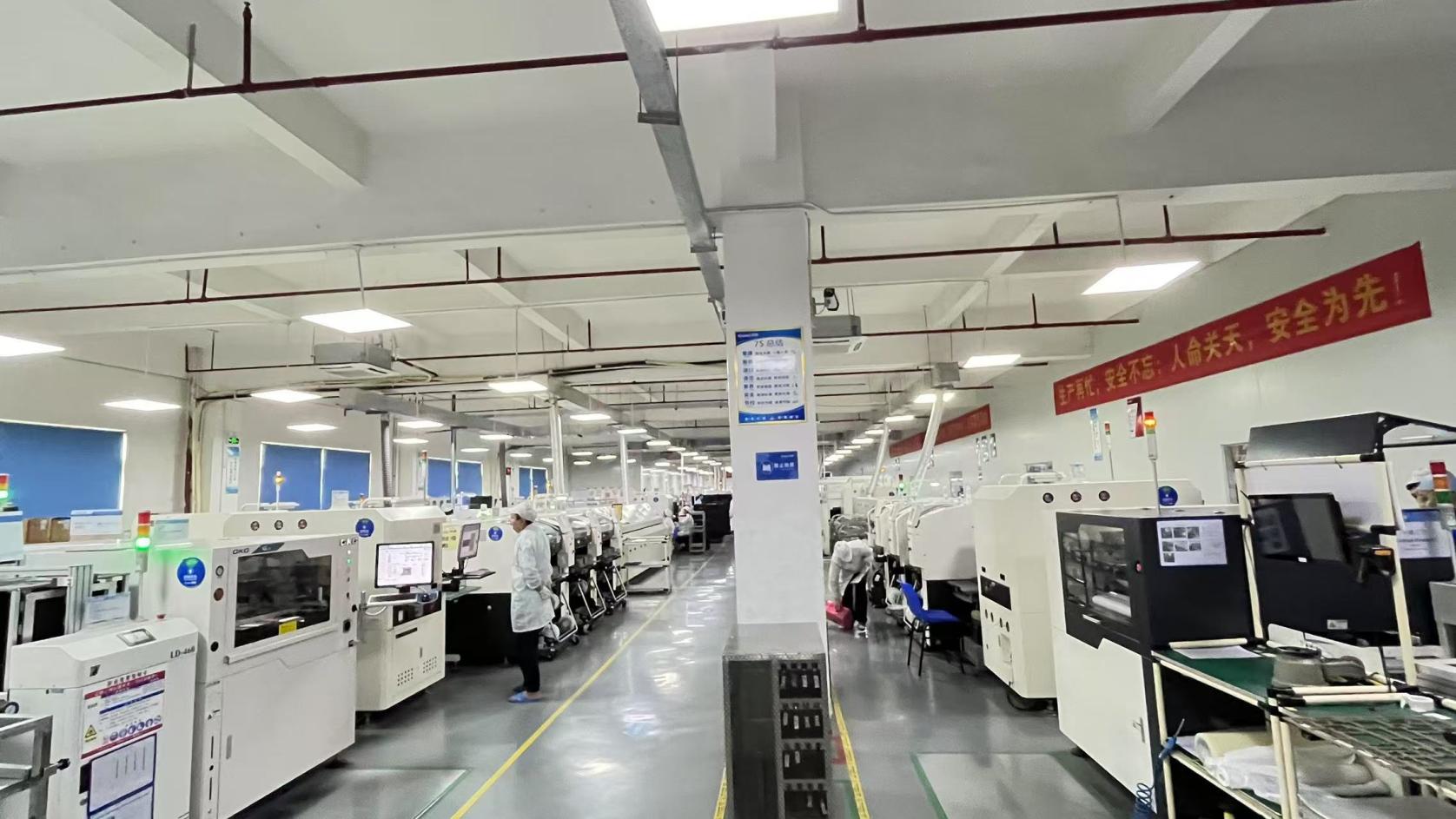
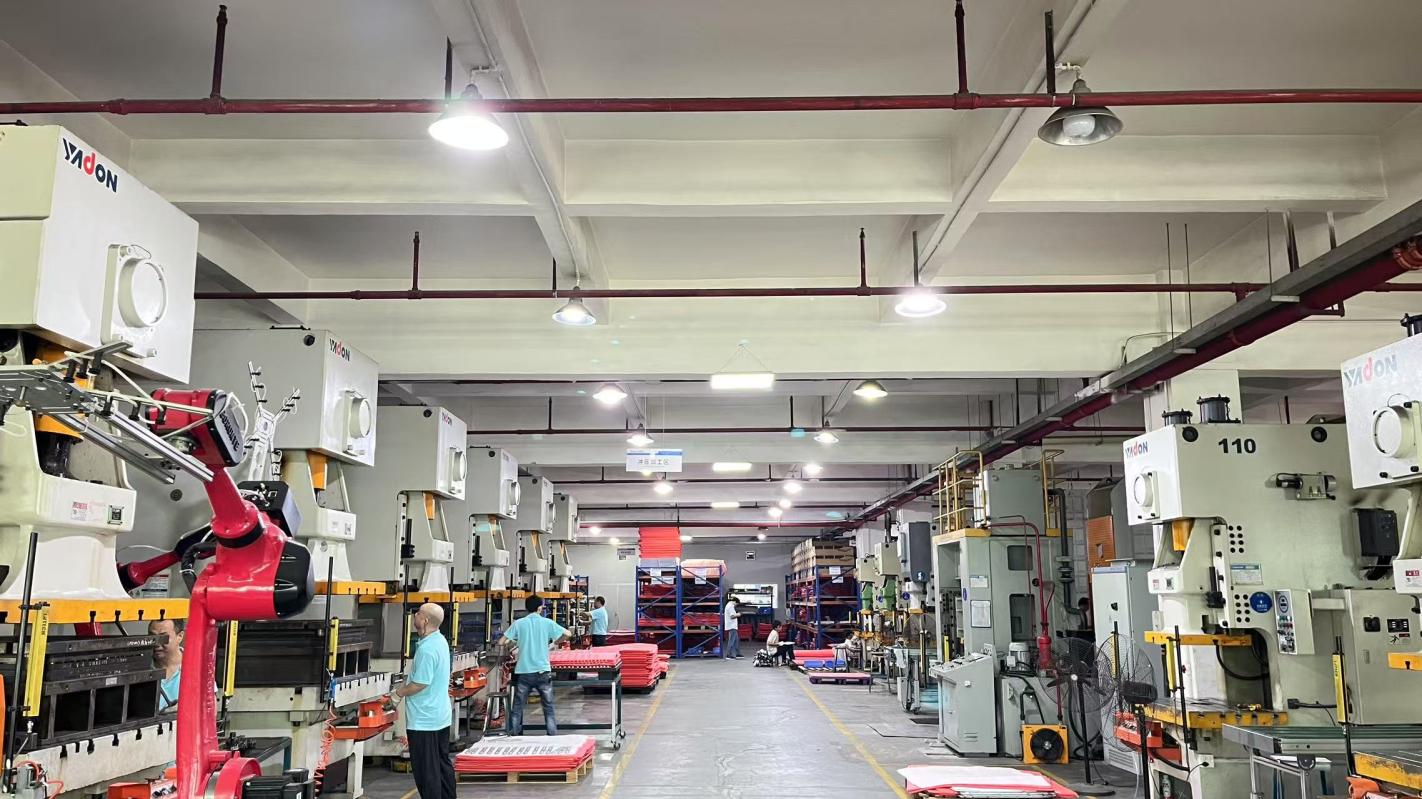
Precision surface mount technology (SMT) with multi-zone reflow ovens handles component placement tolerances down to fractions of a millimeter, reducing cold solder joints.
Every module undergoes a strict physical and electrical verification path: Automated Optical Inspection (AOI), In-Circuit Testing (ICT), and system-level thermal-stress validation.
Vorynex’s specialized engineering team modifies core DRAM parameters according to clients' technical requests. Customization vectors include:
Memory configuration needs vary widely across industries. A standardized approach often fails under intense operational demands. Vorynex structures dedicated OEM solutions for key industry sectors:
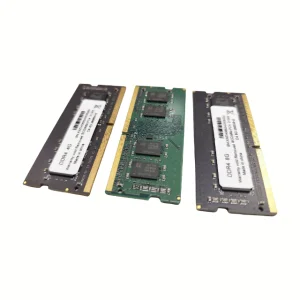
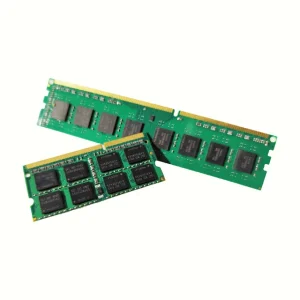
Operating conditions in factories involve vibration, wide temperature variations, and high humidity. Vorynex designs SODIMM modules with conformal coating and rugged PCBs to prevent physical or electrical degradation, maintaining stability on industrial motherboard designs.
Enterprise systems demand continuous uptime. Vorynex’s DDR3 and DDR4 ECC RDIMMs feature registered clock drivers (RCD) and advanced parity checking, preventing data corruption and reducing system downtime in heavy server environments.
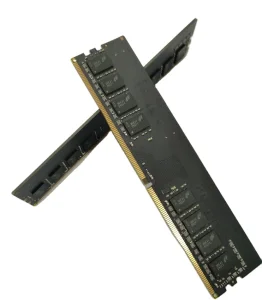
Gamers demand fast performance and low latencies. Our custom high-performance gaming modules utilize binned DRAM chips to run reliably at high frequencies (up to 3200MHz+ for DDR4) while maintaining compatibility across modern chipsets.
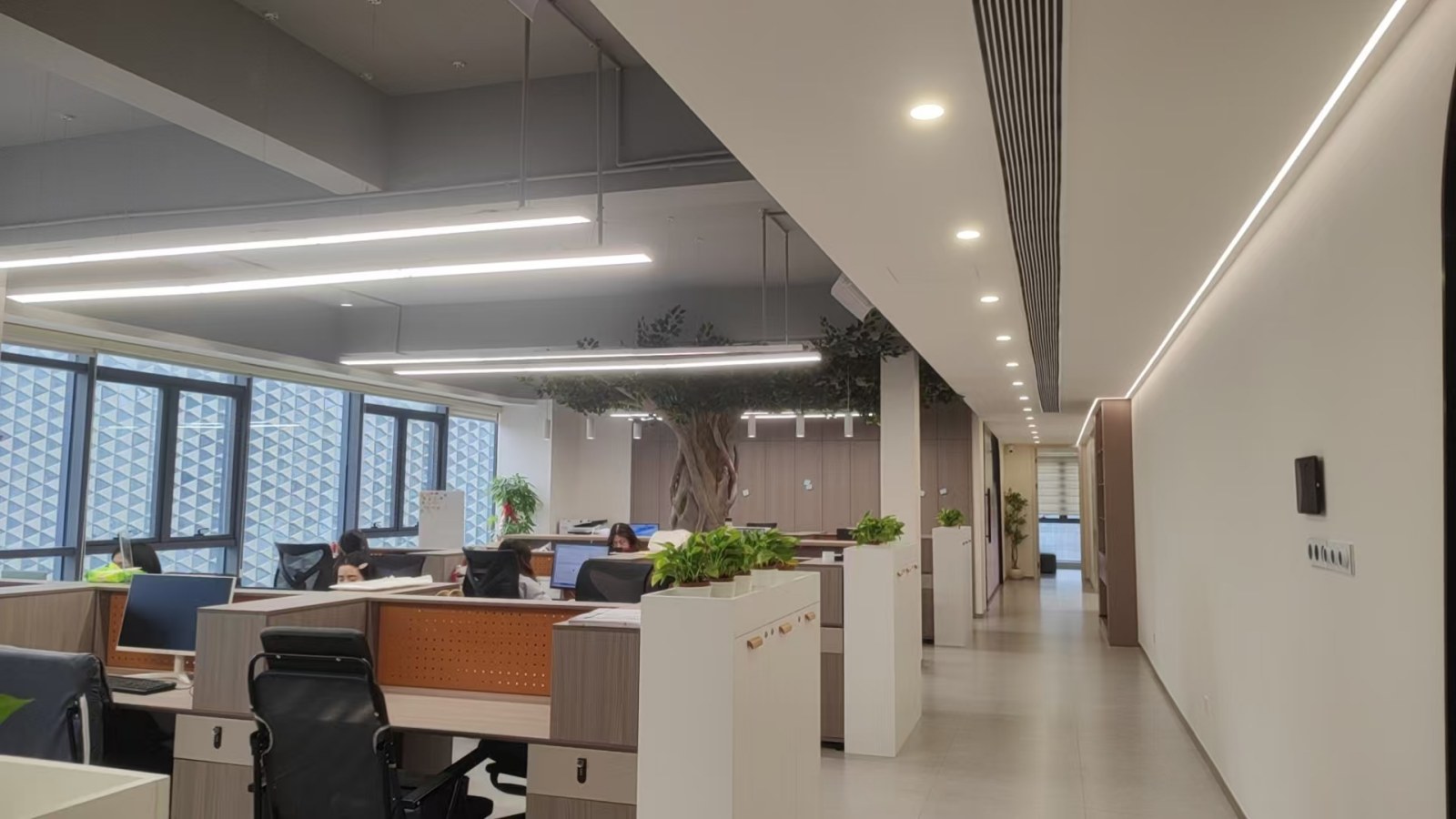
Established in 2016, Vorynex Memory Technology (China) Co., Ltd. has grown into a leading DDR5 memory manufacturer and OEM/ODM solution provider, delivering reliable, high-performance memory modules to global markets. Over the years, the company has integrated advanced manufacturing and design engineering capabilities. Operating from a modern production facility, Vorynex delivers stable, high-speed, and energy-efficient memory upgrades tailored for enterprise, industrial, and consumer applications.
Vorynex has achieved an annual export revenue of approximately USD 12 million, backed by 6 years of export experience and over 12 years of industry experience in memory and semiconductor-related fields. This experience allows the company to support international clients with efficient logistics and compliant documentation.
Quality control is central to our manufacturing process. Vorynex maintains strict standards, including 100% functional testing, aging tests, compatibility testing, and high-temperature stress testing. Our verification methods include automated optical inspection (AOI), in-circuit testing (ICT), and final system-level validation. The quality assurance team consists of approximately 45 professional QC staff ensuring consistent product reliability.
Serving key markets across North America, Europe, Southeast Asia, the Middle East, and South America, Vorynex works closely with more than 1,200 supply chain partners. This network helps secure a stable supply of original DRAM chips and components, even during market fluctuations. Our primary customer base includes brand distributors, system integrators, industrial equipment manufacturers, and gaming hardware companies. Vorynex also has strong R&D capabilities, supported by a team of approximately 180 R&D engineers, focusing on memory architecture optimization, compatibility enhancement, and thermal performance improvement.
Customization is fully supported, including frequency tuning, PCB design customization, heat sink design, branding (private label), and firmware optimization. In the past year, the company successfully launched around 240 new product models, covering DDR4, DDR5, and specialized industrial memory solutions.
 Vorynex