Top 10 Differences Between RDIMM and LRDIMM You Should Know?

Time:2026-08-29 Author:Charlotte
0%

When it comes to server memory, understanding the RDIMM vs LRDIMM difference is crucial. These two types of DIMMs serve distinct purposes and offer specific features. RDIMMs, or Registered DIMMs, use a register to improve system stability. They are common in many servers due to their reliability.

On the other hand, LRDIMMs, or Load-Reduced DIMMs, enhance memory capacity. They reduce the load on memory controllers, allowing for higher memory density. This makes them suitable for demanding applications. However, the choice between RDIMM and LRDIMM can be confusing. Each has its advantages and downsides, leading to potential challenges in decision-making.

Familiarity with RDIMM and LRDIMM is key for IT professionals. As memory technology evolves, knowing the differences becomes even more essential. Understanding these distinctions can help in optimizing server performance and ensuring reliability.
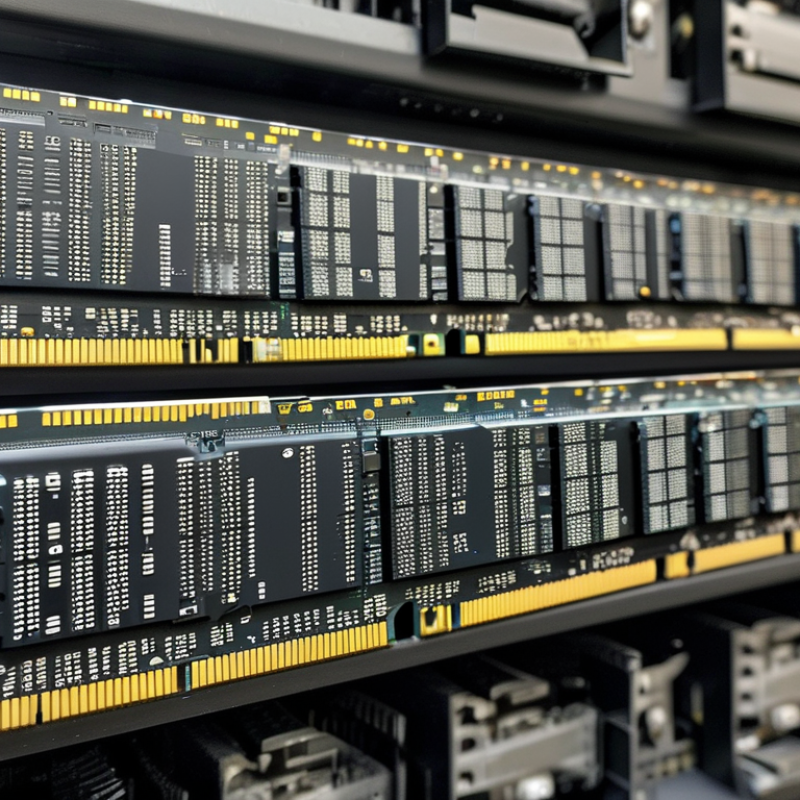
Top 10 Differences Between RDIMM and LRDIMM You Should Know?

Key Features of RDIMM and LRDIMM Explained

RDIMM and LRDIMM are both types of memory modules widely used in servers. They serve critical roles in enhancing performance. RDIMM stands for Registered DIMM. It features a register, boosting stability and allowing more memory to be installed. This is particularly beneficial for systems requiring large amounts of RAM. A typical use case includes enterprise-level databases and high-performance computing tasks.

On the other hand, LRDIMM refers to Load-Reduced DIMM. This type reduces the electrical load on the memory controller. The design allows for a higher memory density. Systems using LRDIMM can support more memory modules, which can lead to improved performance in data-heavy applications. However, the complexity in design can create potential drawbacks. Moreover, not all motherboards are compatible with LRDIMM, making careful consideration crucial.

Understanding both RDIMM and LRDIMM is essential for optimizing server performance. Each type offers unique advantages. Yet, they also present challenges that require thoughtful evaluation. Knowing when to use either can lead to a more efficient and robust computing environment. Proper assessment of workload and server capabilities will guide users in making informed decisions.

Performance Comparison: RDIMM vs LRDIMM

When considering memory options for high-performance servers, RDIMM and LRDIMM stand out. Both types serve distinct roles and have unique impacts on performance. RDIMM, or Registered Dual Inline Memory Module, employs a register between the DRAM and memory controller. This buffer helps reduce electrical loads on the memory controller, enabling better stability with increased memory capacity. However, it may add latency due to the presence of the register.

Conversely, LRDIMM, or Load-Reduced DIMM, enhances performance further. It incorporates an advanced buffer that minimizes the load on the memory bus. This design allows for higher capacities and improved performance in multi-channel setups. In practical terms, LRDIMM can support significantly more memory than RDIMM. This facilitates better performance in memory-intensive applications like databases and virtual machines. Yet, this potential comes at a cost. LRDIMMs can be pricier and may not always be necessary for less demanding environments.

It's crucial to assess specific workload requirements. While RDIMMs may suffice for many scenarios, LRDIMMs excel in high-throughput or large-scale computing scenarios. Knowing when to choose each type can lead to better system performance and resource utilization. These factors ultimately reflect the balance between cost, performance, and capacity in server memory solutions.

Capacity and Scalability Differences

When comparing RDIMM and LRDIMM, capacity and scalability stand out as key differences. RDIMMs usually offer lower capacities. They can support up to 32 GB per module. This can be limiting for high-performance applications. LRDIMMs, on the other hand, can reach capacities of up to 128 GB per module. This makes them ideal for data-intensive tasks.

Scalability is another area where LRDIMMs excel. They can support more memory channels in a server. This means better performance in large-scale deployments. In contrast, RDIMMs have a cap on how many can be used together. Larger memory capacities in LRDIMMs lead to improved overall system performance. However, this added capability may come with increased costs.

It's important to consider your needs. For basic servers, RDIMMs might be sufficient. However, for extensive data processing, LRDIMMs could be the better choice. Each solution has its pros and cons. Finding the right balance for your system will depend on your specific requirements. Always factor in both current and future needs when making a decision.

Power Efficiency and Thermal Considerations

Power efficiency is a critical factor in choosing between RDIMM and LRDIMM memory modules. RDIMMs often require more power due to their architecture. This can lead to increased heat generation, impacting overall system performance. In contrast, LRDIMMs are designed to be more power-efficient. They use fewer power resources, which can result in lower thermal output. This makes LRDIMMs a more suitable option for data centers focused on energy savings.

When considering thermal performance, it's essential to examine how close the memory operates to its thermal limits. High temperatures can lead to throttling, reducing performance. LRDIMMs tend to maintain lower temperatures under load. This characteristic can enhance system reliability. RDIMMs, while still efficient, may necessitate additional cooling solutions, increasing operational costs.

Power management should also be a priority. Proper cooling systems can mitigate issues related to heat. Regularly check thermal conditions in your setups. If using RDIMMs, consider complementary cooling measures. Opting for LRDIMMs may eliminate some of these concerns, leading to a more streamlined operation.

Top 10 Differences Between RDIMM and LRDIMM You Should Know? - Power Efficiency and Thermal Considerations

Difference RDIMM LRDIMM
Data Buffering Uses registered buffers Uses load-reduced buffers
Power Consumption Higher power consumption Lower power consumption
Capacity Up to 32GB per module Up to 128GB per module
Latency Lower latency Higher latency
Thermal Performance Generally higher heat output More efficient heat management
Usage Common in servers Used in high-density applications
Cost Typically lower cost Usually higher cost
Compatibility Compatible with older systems Requires newer architectures
Signal Integrity More susceptible to interference Better signal integrity
Scalability Limited scalability Highly scalable

Use Cases for RDIMM and LRDIMM in Modern Servers

In modern data centers, RDIMM and LRDIMM play crucial roles. RDIMMs are known for their stability, handling heavy workloads without issues. They offer reliable performance, especially in critical applications. In contrast, LRDIMMs excel in memory density. They can significantly increase memory capacity on a server, which is essential for virtualization and big data analytics. Research shows that LRDIMMs can double the memory bandwidth compared to RDIMMs, making them a preferred choice for high-performance computing.

When selecting between RDIMMs and LRDIMMs, consider your server's workload. For applications requiring real-time processing, RDIMMs might be more suitable due to their lower latency. On the other hand, LRDIMMs shine in environments with larger datasets. They allow more memory modules to be installed, enhancing data throughput. A recent industry report indicated that almost 80% of large enterprises are adopting LRDIMMs for their virtualization needs.

Understand the balance between cost and performance. Sometimes, the higher price of LRDIMMs can be a hurdle. Evaluate your budget and needs carefully. You may not need the extra density if your applications are not memory-intensive. Also, look into future growth—picking the right module can be vital for scalability. Choose wisely based on the specific use case and growth potential.

FAQS

: What is the main difference between RDIMM and LRDIMM in terms of capacity?

: RDIMMs generally support up to 32 GB per module, while LRDIMMs can reach 128 GB per module.

How does scalability differ between RDIMMs and LRDIMMs?

LRDIMMs support more memory channels, enhancing performance in larger setups, unlike RDIMMs which have capacity limits.

Are RDIMMs sufficient for all server needs?

For basic servers, RDIMMs might be enough, but LRDIMMs are better for high-performance, data-intensive tasks.

What about power efficiency?

RDIMMs often require more power and generate more heat. LRDIMMs are designed to be more power-efficient and produce less heat.

How do RDIMMs affect thermal performance?

RDIMMs can lead to higher temperatures, which may need additional cooling solutions to maintain performance.

Can high temperatures impact memory performance?

Yes, high temperatures may cause throttling and reduce overall performance in memory modules.

What should I consider for cooling if I use RDIMMs?

It's crucial to incorporate effective cooling systems to handle the heat generated by RDIMMs.

Why might LRDIMMs be a better choice for data centers?

LRDIMMs lower power usage and temperature, making them more suitable for energy-efficient data center operations.

How often should I check thermal conditions in my setup?

Regular checks on thermal conditions are important to prevent potential performance issues.

Are there any trade-offs when choosing between RDIMMs and LRDIMMs?

Yes, while LRDIMMs offer better capacity and efficiency, they may come with increased costs.

Conclusion

The article "Top 10 Differences Between RDIMM and LRDIMM You Should Know" explores the key distinctions between two memory module types commonly used in servers: Registered DIMMs (RDIMMs) and Load Reduced DIMMs (LRDIMMs). It provides an in-depth explanation of their key features, highlighting the RDIMM vs LRDIMM difference in terms of performance, with RDIMMs being suited for stability and reliability, while LRDIMMs excel in higher capacity and improved scalability.

Additionally, the article examines power efficiency and thermal considerations critical for server operations, noting that LRDIMMs typically offer better thermal management due to lower power consumption. The use cases for each type are also discussed, illustrating that RDIMMs are ideal for traditional workloads, whereas LRDIMMs cater to memory-intensive applications. Overall, understanding these differences is essential for selecting the appropriate memory architecture for modern server environments.

Charlotte

Charlotte

Charlotte is a seasoned marketing professional with a deep understanding of the company's portfolio and a passion for elevating its presence in the market. With a keen eye for detail and a commitment to excellence, she ensures that our professional blog is regularly updated with insightful articles......